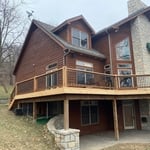
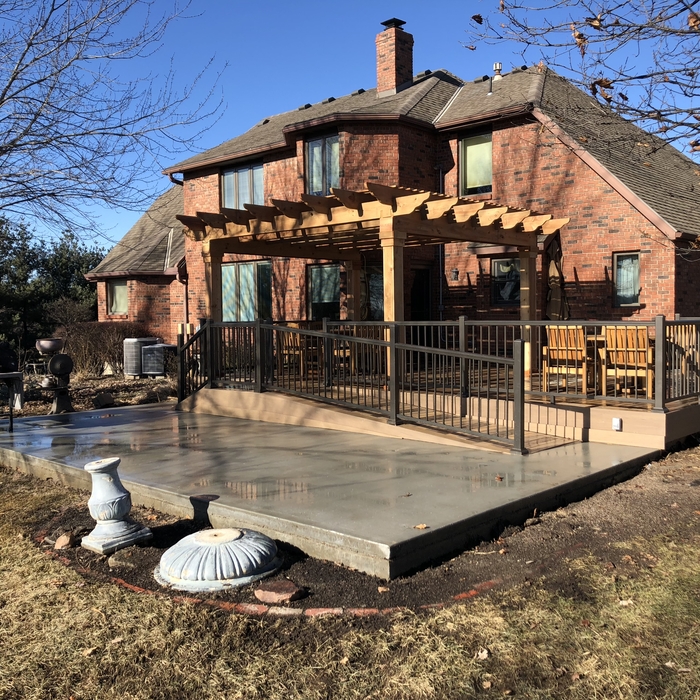
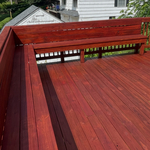
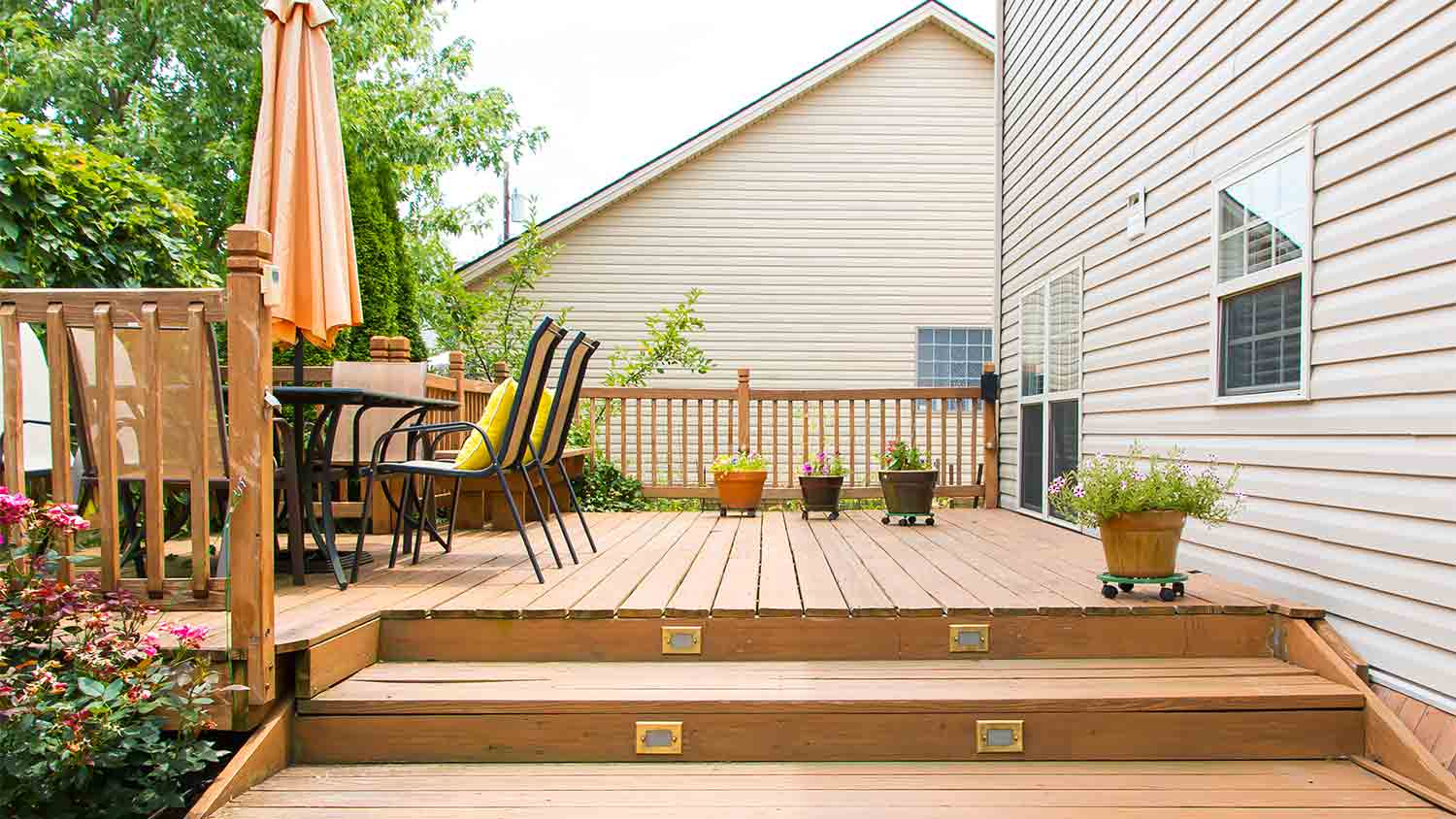
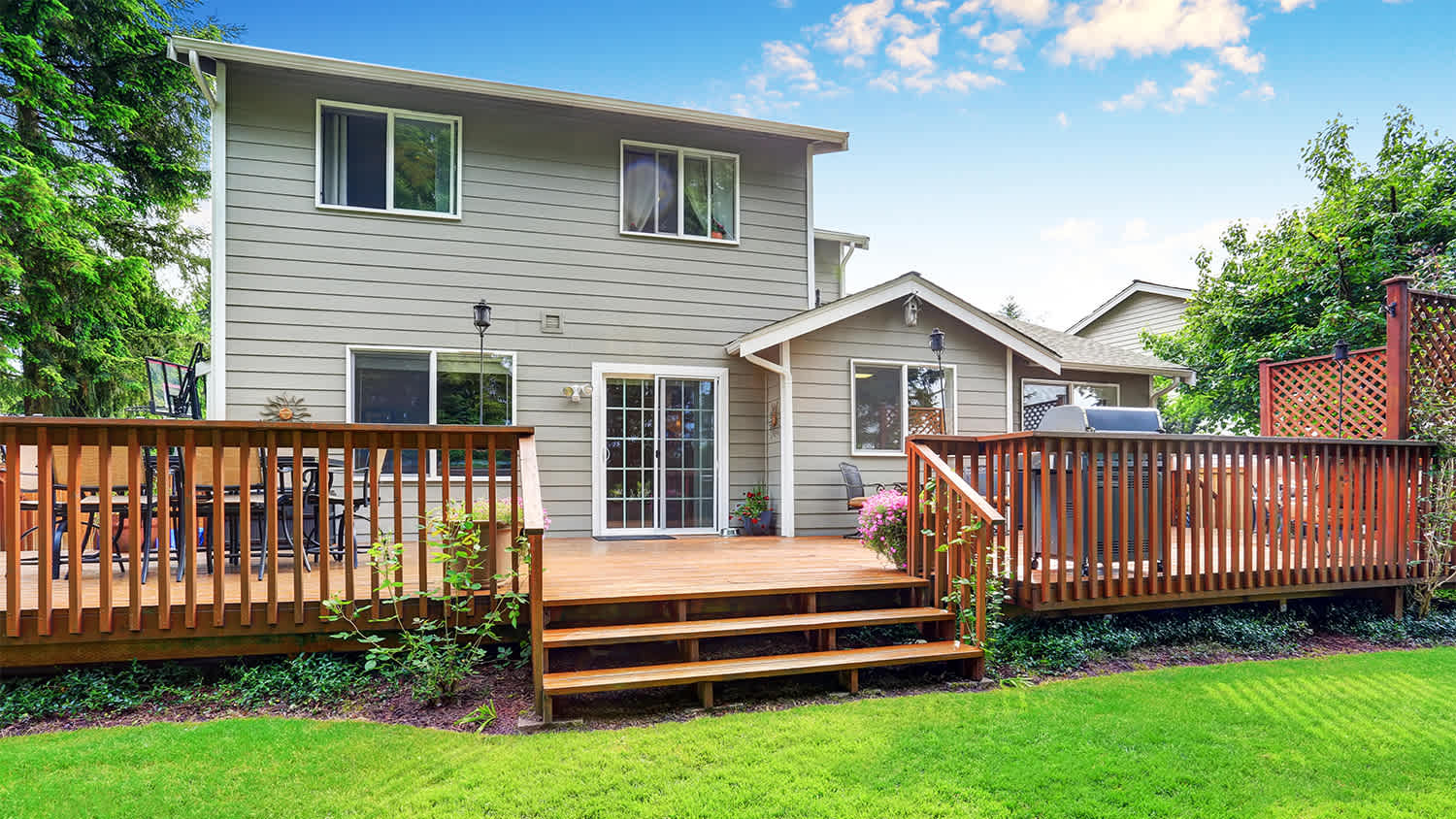
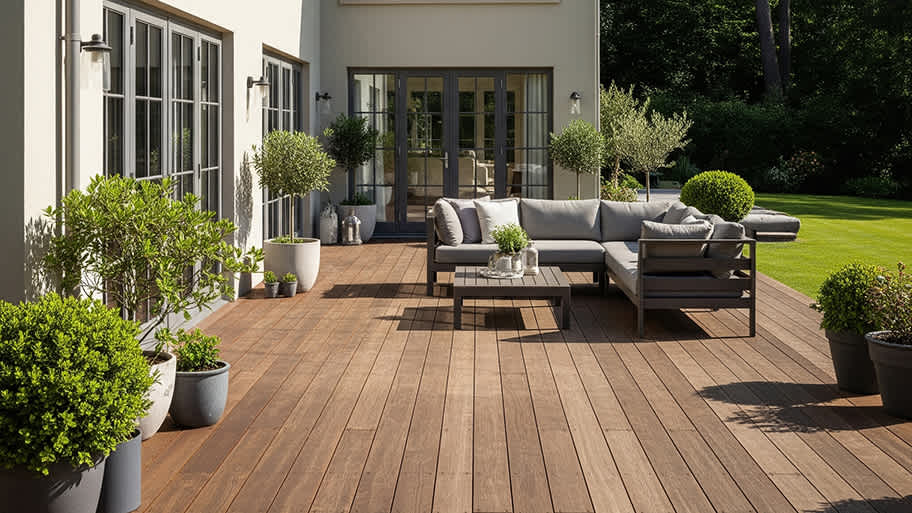
"Work was done well. Old deck removed and hauled away. New deck work was completed in a timely manner. Workers were respectful and kept things in order."
"We recently signed an annual maintenance agreement with American Patriots Power Washing for The Ridge Apartment Complex in St. Joseph, Missouri, covering soft washing of our buildings, walkways, and pool area. James was professional, knowledgeable, and made the entire process easy from start to finish. We look forward to keeping our property clean and inviting year-round with a team we can trust. Highly recommend!"
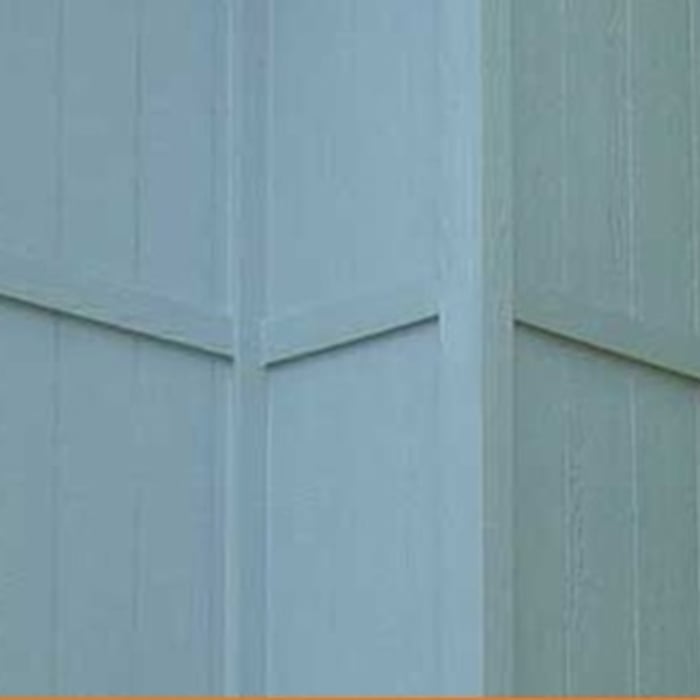
"First let it be known that I have waited a period of time after completion as I wanted this to be a honest not a plain and acirc;??P***** Offand acirc;?? review. Details: my start date was set for the contractor to be out first thing on 5/28/14. I took the week off from work to be sure that anything that was needed to be done by me could be handled immediately. When the sub-contractor (not verified subs but they kept taking phone calls for what sounded like non-Siding Repair Systems jobs) on my time. They did not arrive and I called a bit frustrated that no one showed and Cory the and acirc;??Bossand acirc;?? said the current job they were on they ran into a mold problem. I told them that they could come out the next day then and was told they would be there. I believe I should have at least received a phone call explaining they could not make it and to ask for a re-schedule. That did not happen on day 2 or day 3. I was asked if they could pay the installer double time and if I could be there on Sunday. I was OK with that and they did not show at the arranged time of 9-10 oand acirc;??clock. So I called Cory yet again (about 5 times now making this same call) and he did not have much to say but he would call them. Finally they showed for the first time walked around the house a bit and left saying they were to get the materials that should have been on their truck before they showed up 3 hours late. When they got back and started removing the old siding they left the house open to the elements and it rained heavily that night. Next day (Monday) they did not show ti Mid-afternoon again and that was the way the whole thing was. They did a couple hours and left. However my wife works a big box hardware store and she Note that the siding they were putting up did not look like the James Hardie siding we were paying for. I challenged them on that and when they looked they realized that they made a mistake. Now I thought to myself if it would not have been for the observation of my wife they would have completely sided the house with the wrong material and charged us for the Hardie siding and if we were normal consumers we would have never known. Makes one wonder if that is a new and acirc;??bait and switch and acirc;?? tactic? Then they had to go get the Hardie Siding and the boss Cory calls now that they were caught with the wrong stuff 50% on the walls and asks if I would be willing to take the lesser siding at a lesser price. I said no as I and acirc;??trusted themand acirc;?? to do the right thing. Finally after 3 more days of being late and 3 strong rain storms the job was done. It does look good BTW canand acirc;??t fault that I guess. To end the story I have to make 2 more calls for them to get the trash completely removed and that was only after I threaten them by having American Express withhold payment. I would not recommend this outfit to anyone. I lost 24 hours of vacation due to them not showing up as promised, the trash left around my house, and the and acirc;??presumedand acirc;?? mistake of the wrong siding. I read all the previous reviews on Angieand acirc;??s List and based on my experience I tend to believe they are forgeries. BEWARE is my only warning!!!!!"
With over 15 years of experience in the exterior painting and restoration industry, we are the experts you need to take care of your home or business. We handle everything from water damage to paint removal. We will treat your home as we would treat our own. Give Log Home Maintenance & Restoration a call today, we look forward to working with you!
Rot loves moisture, so deck rot typically impacts the parts of a board that stay wet. This includes the underside of boards, in addition to support posts and joists. However, any part of a board can rot, given the right conditions.
Materials for a second-story deck must be weather- and rot-resistant, though the specific choices will largely be determined by your budget and style preference. Pressure-treated wood is on the lower end of the price scale, but it can be customized and stained the way you like it. Composite, on the other hand, is pricier for installation and has fewer options for customization, but you’ll save money and time in the long run because it requires little maintenance.
There are several perks to building a deck around your inground or above-ground pool. Specifically, building a deck around a pool gives you space to lounge and sunbathe, easy access to monitor kids in the pool, extra room for entertaining and dining, an anti-slip surface for post-pool fun, and enhanced aesthetics.
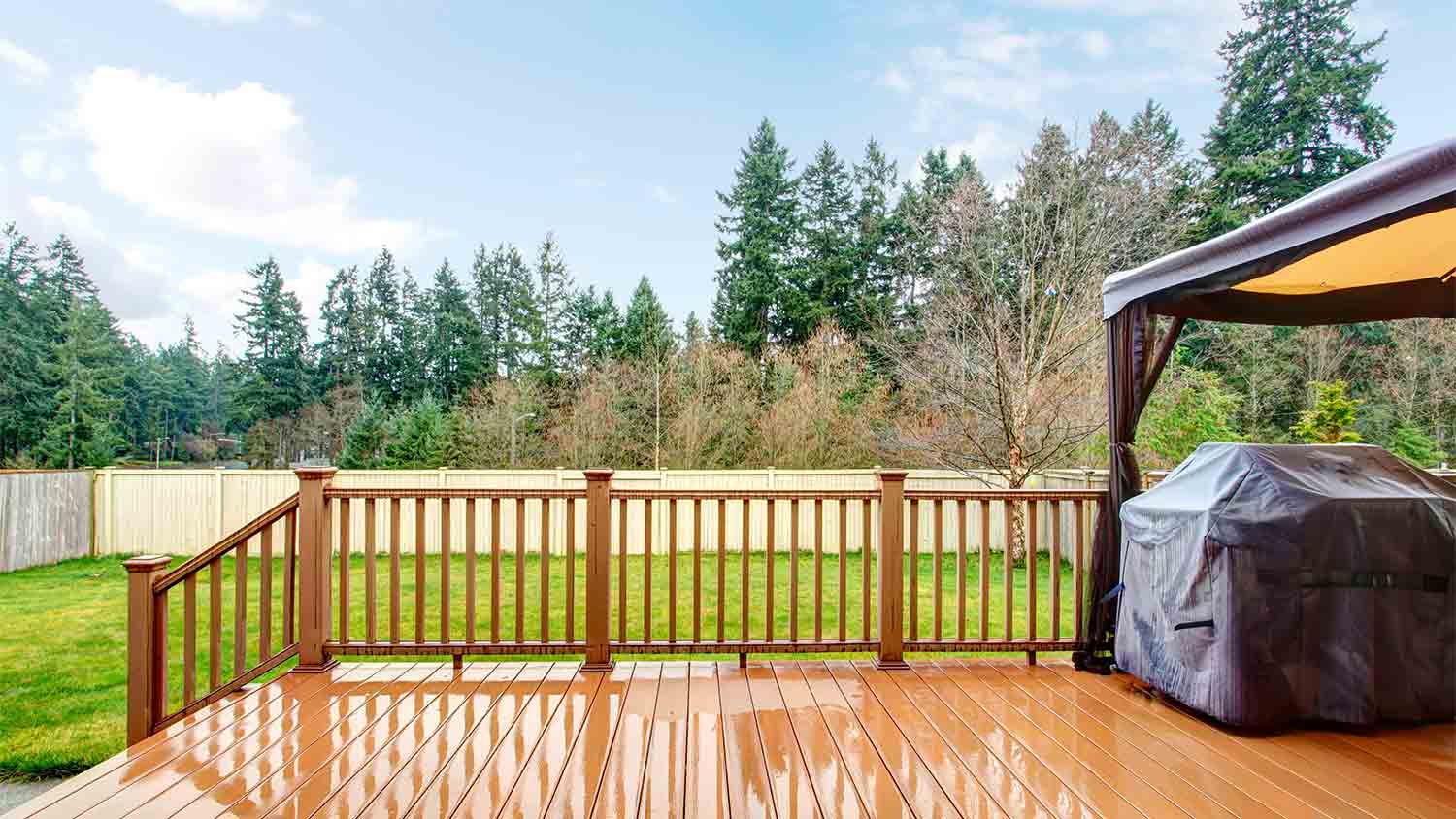
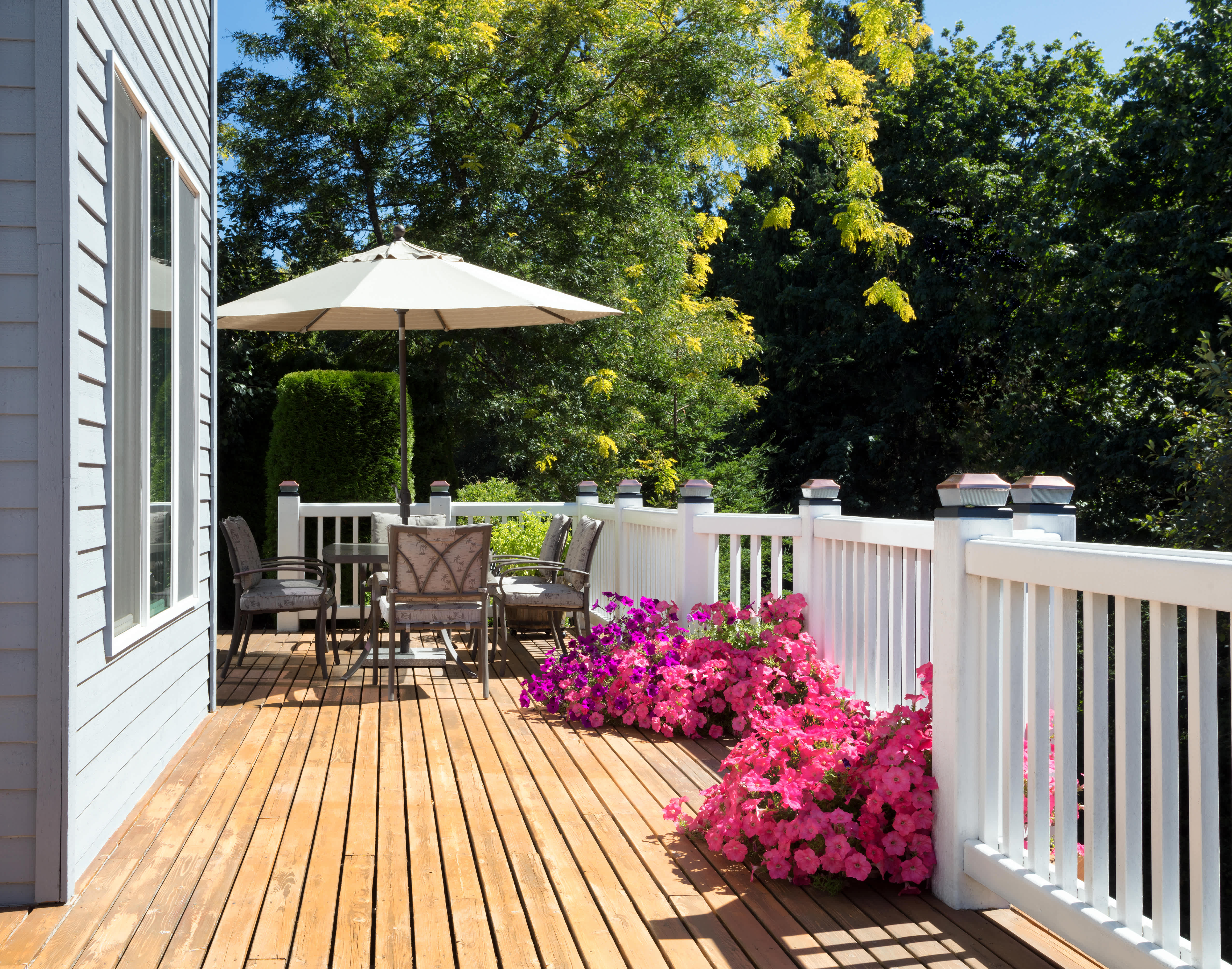
Spindles on a deck may also be called balusters or pickets. While not as important to the structural support of the deck as the rail posts, they play a critical role in ensuring the deck is safe to use by closing in large gaps in the railing. For this reason, balusters must be no more than 4 inches away from one another.
To prepare a deck for a hot tub, start by thinking about safe and easy access in and out of the tub. Homeowners should plan for steps or consider built-in seating, a level surface around the perimeter, and a clear, slip-resistant path from the house. A hot tub requires sufficient space around it for comfortable entry and exit, ensuring no awkward squeezing or stepping over high edges. Good lighting and handrails can also make a big difference, especially for nighttime use.
The Savannah, MO homeowners’ guide to deck maintenance services
From average costs to expert advice, get all the answers you need to get your job done.
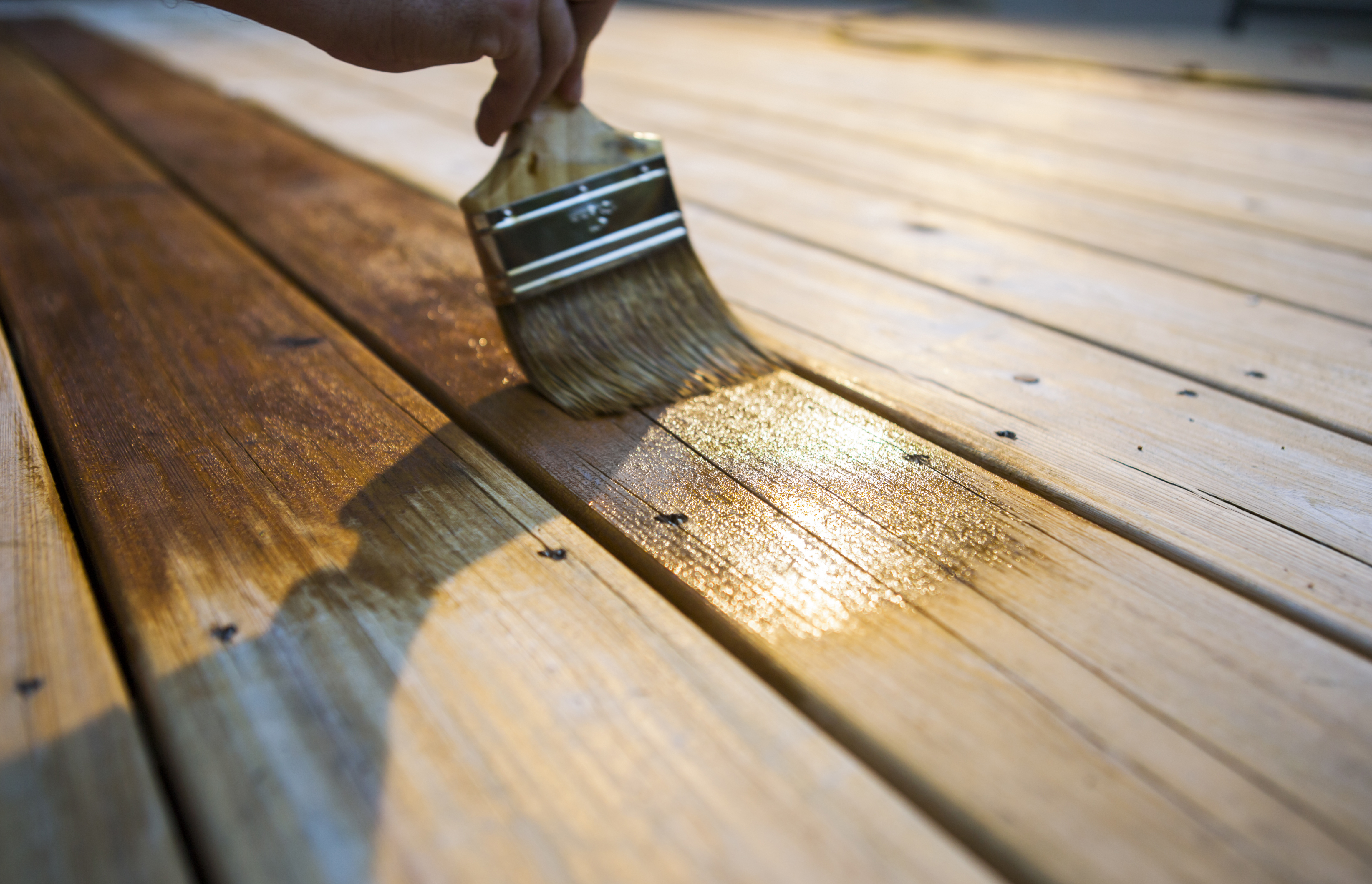
Deck maintenance is vital to protecting a wooden deck. Cleaning, staining and sealing a deck after pressure washing will add years to its lifespan. Protect a deck by following these deck maintenance tips for cedar and other types of wood materials.
Finding maintenance-free decking that works for your home, budget, and lifestyle can be challenging. This guide lists the 7 best low-maintenance deck materials.