




Top-rated deck maintenance specialists.

Get matched with top deck maintenance specialists in Stewartsville, MO

Enter your zip and get matched with up to 5 pros

Need a pro for your deck maintenance project in Stewartsville, MO?

Select your specific project to find the pro for you.

Find Deck maintenance specialists in Stewartsville

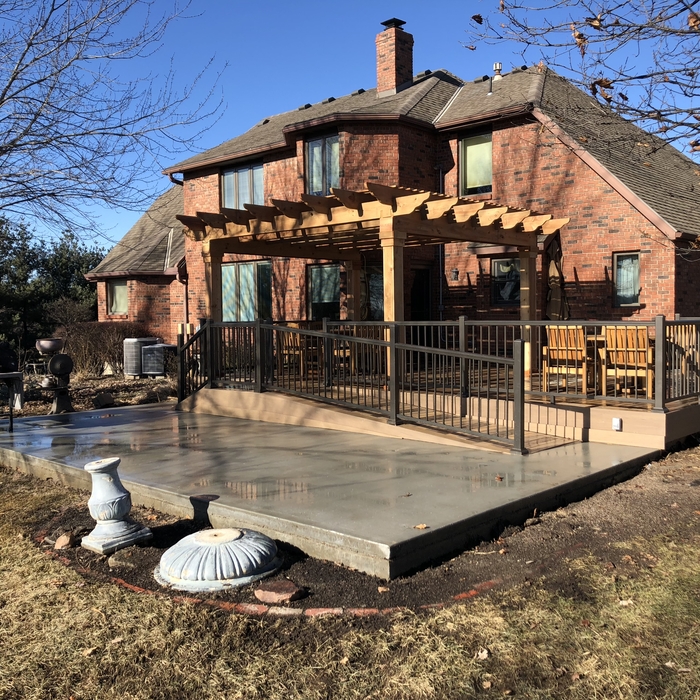
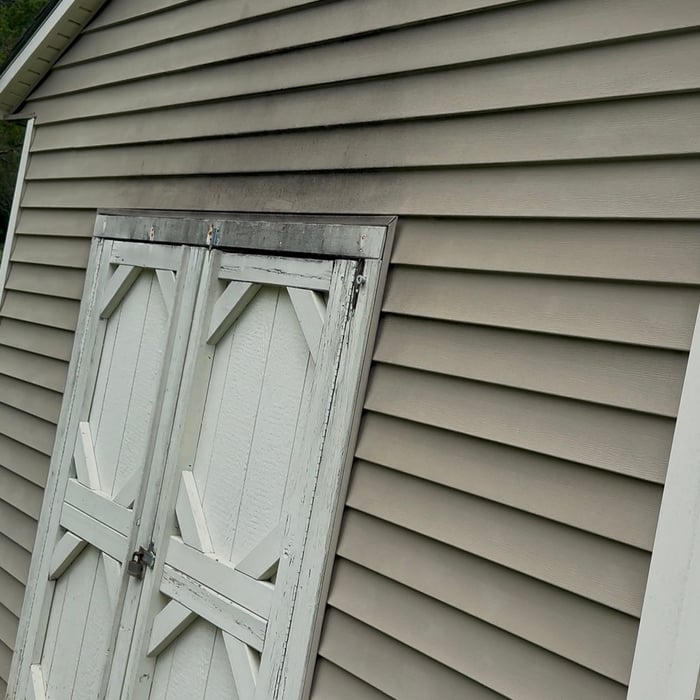
M/E Enterprises General Contracting
New to Angi
Deck, Fence, Patio or Porch - Clean and Seal

Serving Stewartsville, MO and surrounding areas

In business since 2007

Free estimates

Emergency services offered

M/E Enterprises General Contracting can do it all. This is owner operated so you will be meeting with me, Mark Beebe for all your needs. I offer re-occurring handyman services, and I say re-occurring because I am honest and inexpensive so I will be on call after my first visit. Call today for your free quote.

Showing 1-10 of 29
Deck Maintenance questions, answered by experts

Most building codes require that railing spindles (also known as balusters) on decks or stairs be spaced no more than four inches apart. This safety standard is often called the '4-inch sphere rule,' which means a sphere with a 4-inch diameter should not be able to pass through the opening between balusters. This rule is in place to prevent small children and pets from slipping through the railing. For the same reason, the space between the bottom rail and the deck or floor surface should also be no more than four inches. As a general guideline, professionals often install three balusters per foot of railing. However, since specific requirements can vary by location, it is essential to check your local building codes to ensure compliance before starting your project.

A deck that isn’t attached to a house is called a floating or freestanding deck. These standalone decks are built near ground level, so they usually don’t need deck stairs. Some don’t even require permits. Generally speaking, building a floating deck is faster and more DIY-friendly than constructing one that’s connected to your home.

Before installing a deck, you must build a base for the deck to rest upon, often made of compacted soil or gravel. While gravel is an optional material, it helps with drainage. Some contractors also recommend installing a weed control membrane, which helps provide a solid foundation for the frame. In the case of an elevated deck, a pro will often lay down a concrete slab as a foundation. 

While you can use various materials like sand or even just soil, gravel is widely considered the best option to put under a deck. It provides excellent drainage and is resistant to water, fire, and pests. Gravel also helps anchor the soil to prevent erosion during heavy rain and acts as a built-in weed blocker, reducing regular upkeep. Furthermore, it is simple to spread, available in various textures and tones, and adds a polished look that complements any deck design.

In the majority of cases, you don’t need regulatory permission or permits to remove decking components and materials. However, the exception is if you live in or near a wildlife conservation area, which could require permits and consent prior to beginning the demolition. Check with a local regulatory agency for more information.

The Stewartsville, MO homeowners’ guide to deck maintenance services

From average costs to expert advice, get all the answers you need to get your job done.