






Top-rated arborists.

Get matched with top arborists in Pineville, MO

Enter your zip and get matched with up to 5 pros

Need a pro for your arboricultural service project in Pineville, MO?

Select your specific project to find the pro for you.

TRUSTED BY PINEVILLE, MO HOMEOWNERS

  • Average homeowner rating star icon4.4
    Average homeowner rating
  • Verified reviews icon498
    Verified arboricultural services reviews

Find Arborists in Pineville

Avatar for Eagle Tree Services, LLC
Eagle Tree Services, LLC
5.0(
9
)
Tree RemovalTree Removal - For BusinessTree Stump - Remove+3 more

Serving Pineville, MO and surrounding areas

In business since 2023

Emergency services offered

Warranties offered

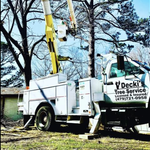
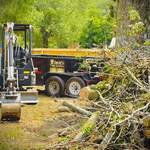
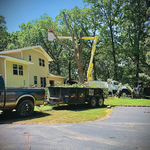
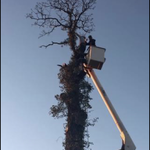
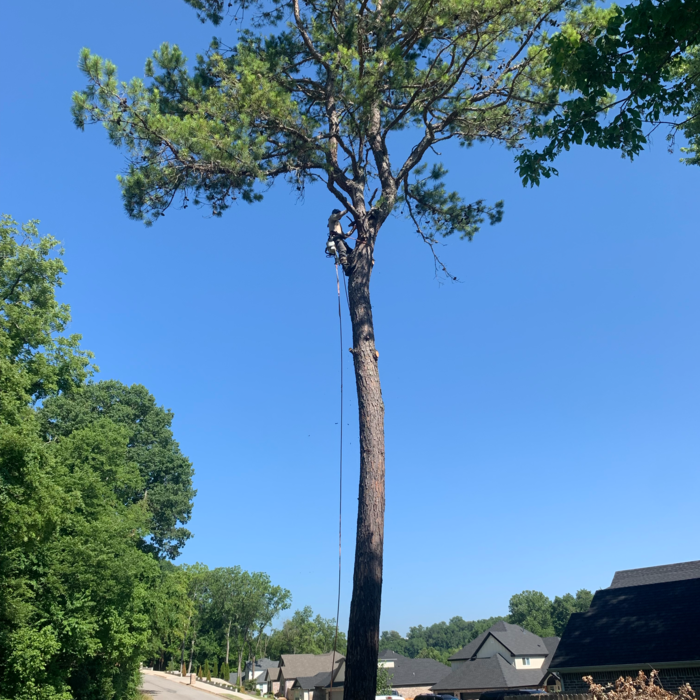
"I?ve used Eagle a couple of times. The most recent included the removal of 3 sweet gum trees that were over 60 feet and one redbud that was about 30 feet. Stumps were ground to below-grade as well. Additionally, Irbin trimmed a 4th sweet gum. Irbin is always professional and provides a great price and great service. All debris was removed from the property, except for some woodchips that I wanted to keep for mulch. They were able to remove all trees and debris on one day. Very quick and thorough. I highly recommend Eagle Tree Service."
Tree trimmed
Tree trimming
Srump grinder
Tree trimming
Tree trimming

+4

Response time1 day
Response rate91%
Recommended by62%of homeowners
...
Showing 1-10 of 81
Arborists questions, answered by experts

If you’re wondering why tree trunks are painted white in your area, it’s usually to prevent sunscald, a condition where extreme shifts in temperature can cause tree bark to split. Fruit trees are especially vulnerable to sunscald, so this treatment is worth considering if it’s something that affects your trees.

Trees should be pruned every two to five years, depending on its age and type. Young trees should be inspected and pruned every two to three years. Mature trees should be inspected and trimmed every three to five years, and fruit trees should be pruned annually with a careful eye on seasonal growth. Evergreens typically don’t need pruning, unless branches or limbs are damaged, diseased, or harboring pests.

The best way to protect tree roots is to avoid the roots entirely by excavating outside the root radius of the tree. For nearby projects, it’s a good idea to construct a temporary retaining wall. But that’s not always possible, depending on the project and the root system. In these cases, consider using alternative equipment like an auger to tunnel under the ground.

Remember, tree roots can damage nearby cement foundations as they grow. If a tree is close enough to interfere with large excavations, it may be better to remove the tree than risk future problems.

You should not trim an oak tree in the summer. Oak trees are especially susceptible to disease, and open tree wounds are an invitation for beetles that carry tree-killing fungus. If there’s no risk that the oak tree will do damage to your property or hurt someone, it’s best to save the trimming for fall or winter. If you can, seal the wound with latex to prevent fungus from getting inside.

There are two types of arborists: certified and consulting. A certified arborist is licensed and equipped to provide tree pruning, planting, fertilizing, monitoring, transplanting, treatment, and removal services. A consulting arborist specializes in tree appraisals, diagnosing problems and recommending treatments for illnesses. However, they will not provide these services themselves. Most consulting arborists are certified arborists who can refer you to a tree service that can administer the correct treatments.

The Pineville, MO homeowners’ guide to arboricultural services

From average costs to expert advice, get all the answers you need to get your job done.