





Top-rated arborists.

Get matched with top arborists in Noel, MO

Enter your zip and get matched with up to 5 pros

Need a pro for your arboricultural service project in Noel, MO?

Select your specific project to find the pro for you.

TRUSTED BY NOEL, MO HOMEOWNERS

  • Average homeowner rating star icon4.4
    Average homeowner rating
  • Verified reviews icon344
    Verified arboricultural services reviews

Find Arborists in Noel

Avatar for Eagle Tree Services, LLC
Eagle Tree Services, LLC
5.0(
9
)
Tree RemovalTree Removal - For BusinessTree Stump - Remove+3 more

Serving Noel, MO and surrounding areas

In business since 2023

Emergency services offered

Warranties offered

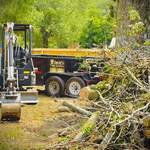
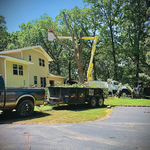
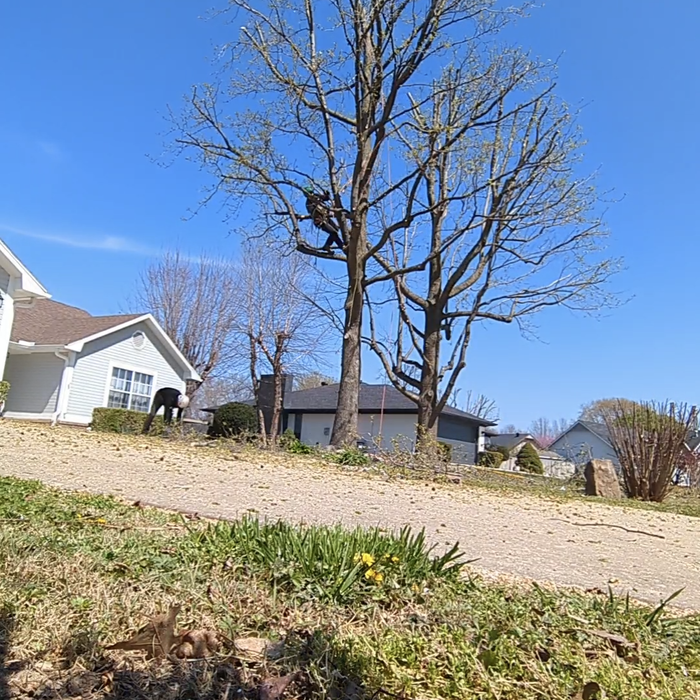
"I?ve used Eagle a couple of times. The most recent included the removal of 3 sweet gum trees that were over 60 feet and one redbud that was about 30 feet. Stumps were ground to below-grade as well. Additionally, Irbin trimmed a 4th sweet gum. Irbin is always professional and provides a great price and great service. All debris was removed from the property, except for some woodchips that I wanted to keep for mulch. They were able to remove all trees and debris on one day. Very quick and thorough. I highly recommend Eagle Tree Service."
Tree trimmed
Tree trimming
Srump grinder
Tree trimming
Tree trimming

+4

Response time1 hour
Recommended by62%of homeowners
...
Showing 1-10 of 83
Arborists questions, answered by experts

Steer clear of the area and contact your utility company immediately. It will have a website portal and/or a phone number to report downed trees and electrical issues. If the tree appears to be on public land, you may want to call your local government and report the issue there, too.

Tree roots don’t necessarily break through concrete on their own, but they can certainly take advantage of existing cracks, even very small ones. As roots grow, they expand the cracks, making them larger and leading to serious and costly foundation damage. It’s a good idea to have repairs on any foundation cracks you’re concerned about.

The felling notch you make before you make the final cut will determine which way the tree will fall. The cut will be in a wedge or triangle, and the tree will fall from the highest point of the triangle. You can use this, as well as the process described above, to estimate where a tree will fall. 

The best time to transplant a tree is when it is dormant. For many trees, this means either in the fall after the leaves have dropped (around October or November) or in early spring before new growth begins (around March). The ideal timing can depend on the type of tree. Deciduous trees do well when moved in early spring or fall, while evergreens are best transplanted in early spring or late summer. For example, pine trees are best moved in early fall, but maples prefer late fall. Avoid transplanting in winter, as the frozen or hard, cold soil poses a significant risk to the roots and prevents the tree from acclimating properly.

On grafted trees, tree suckers will grow from the root stock, not the branches grafted onto it. Therefore, the leaves and characteristics of the suckers aren’t the same as the tree because they are different varieties. Root stock has more hardiness, strength, or drought tolerance than its grafted limbs, so if the suckers are from fruit or flowers, it might be different than the main part of your tree.

The Noel, MO homeowners’ guide to arboricultural services

From average costs to expert advice, get all the answers you need to get your job done.