


Top-rated leaf removal pros.

Get matched with top leaf removal pros in Pineville, MO

Enter your zip and get matched with up to 5 pros

Need a pro for your leaf removal project in Pineville, MO?

Select your specific project to find the pro for you.

TRUSTED BY PINEVILLE, MO HOMEOWNERS

  • Average homeowner rating star icon4.5
    Average homeowner rating
  • Verified reviews icon100
    Verified leaf removal services reviews

Find Leaf removal pros in Pineville

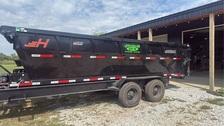
Avatar for Loyd’s Roll-Off Rental Services
Loyd’s Roll-Off Rental Services
5.0(
10
)
Waste, Junk, Building Materials and Debris - Remove and Haul

Serving Pineville, MO and surrounding areas

Approved

In business since 2025

Free estimates

Emergency services offered

"Kevin and his son were communicative with planning, showed up on time, and they were flexible and patient while we were finishing up getting everything together for them to haul off. It took us longer than we expected to have everything ready, but they didn't make us feel rushed. We were so appreciative of their service during out estate cleanout, I would definitely hire them again."
Waste Disposal
Waste Disposal
5 neighbors recently requested a quote
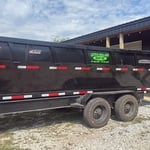
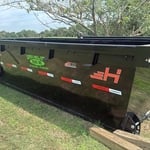
Avatar for ACMELAND DUMP & GRAVEL
ACMELAND DUMP & GRAVEL
New to Angi
Waste, Junk, Building Materials and Debris - Remove and Haul

Serving Pineville, MO and surrounding areas

Approved

Free estimates

Emergency services offered

Small jobs welcome

🚛 Need a dump trailer or junk removal?\n\nACMELAND DUMP & GRAVEL got you 💪\n\n✔ Trailer Rentals\n✔ Junk Removal\n✔ Gravel Delivery\n✔ Power Washing\n\n📍 Joplin / Carthage/ Surrounding Areas\n📞 (417) 237-4234\n\nMessage me for a quote 👍

4 neighbors recently requested a quote
...
Showing 1-10 of 132
Leaf Removal questions, answered by experts

Embarking on a kitchen demolition comes with its share of risks to keep in mind. Think of potential encounters with asbestos, sharp objects, and power tools—not to mention the peril of structures wobbling or unexpected plumbing surprises. And, of course, you will be surrounded by dust and debris throughout the process. All of the above makes safety gear necessary, or you can consider hiring a qualified professional.

Lead toxicity comes from inhaling lead or consuming it. Before the 1980s, when the government banned lead from consumer use, it could be found in paint, plumbing, pipes, ceramics, and even gasoline. Lead paint is toxic for the same reason lead itself is toxic, which is why lead poisoning from paint presents the same as lead poisoning from water or food sources, with a slight increase in respiratory symptoms vs. digestive symptoms. Lead paint is most dangerous when it’s old and peeling, cracking, or otherwise disturbed. This increases the concentration in the air and, therefore, in breathable air. 

Professionals are trained in identifying hazardous materials and utilize industry-approved methods for safe handling and disposal. They adhere to regulatory frameworks to protect health and the environment, ensuring all materials are disposed of safely and responsibly.

No. Standard homeowners insurance does not cover any kind of lead remediation, focusing instead on sudden, unpreventable events like fires and theft. Many insurance companies will specifically exclude lead paint removal, since it tends to be an expensive and unavoidable project. The exception is if the lead surface is damaged during a covered event (like a flood) and homeowners insurance pays its replacement.

According to the Environmental Protection Agency (EPA), hazardous waste is generally classified into four main categories:

1. Characteristic Wastes: These exhibit at least one of four hazardous traits: ignitability (flammable, like gasoline), corrosivity (can rust or decompose materials, like car batteries), reactivity (unstable and can explode, like aerosol cans), or toxicity (harmful when ingested, like lead-based paint).

2. Listed Wastes: These are specific wastes from manufacturing and industrial processes that the EPA has officially designated as hazardous. They include byproducts from processes that use solvents, pesticides, and other chemicals.

3. Universal Wastes: These are commonly generated hazardous items that are subject to streamlined regulations. Examples include batteries, pesticides, mercury-containing equipment (e.g., bulbs), and some lamps.

4. Mixed Wastes: This category includes waste that contains both hazardous and radioactive components, making it subject to regulation by both the EPA and the Nuclear Regulatory Commission.

The Pineville, MO homeowners’ guide to leaf removal services

From average costs to expert advice, get all the answers you need to get your job done.