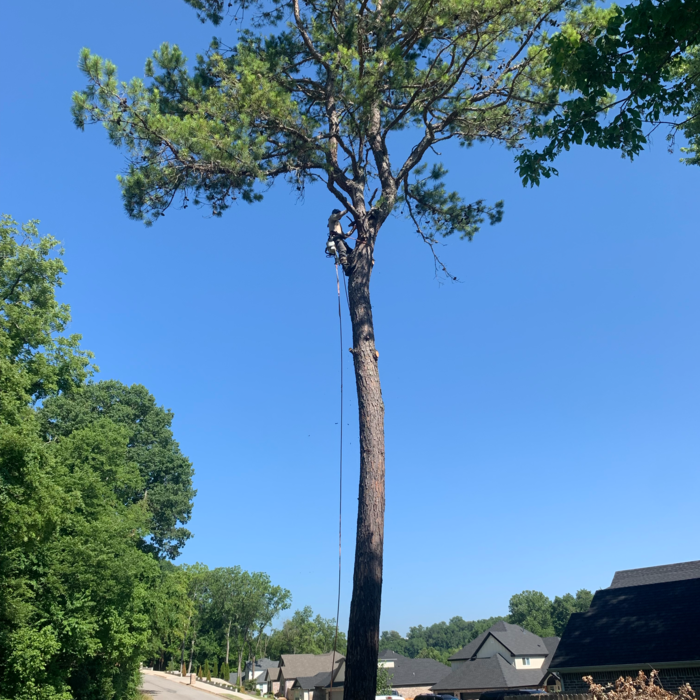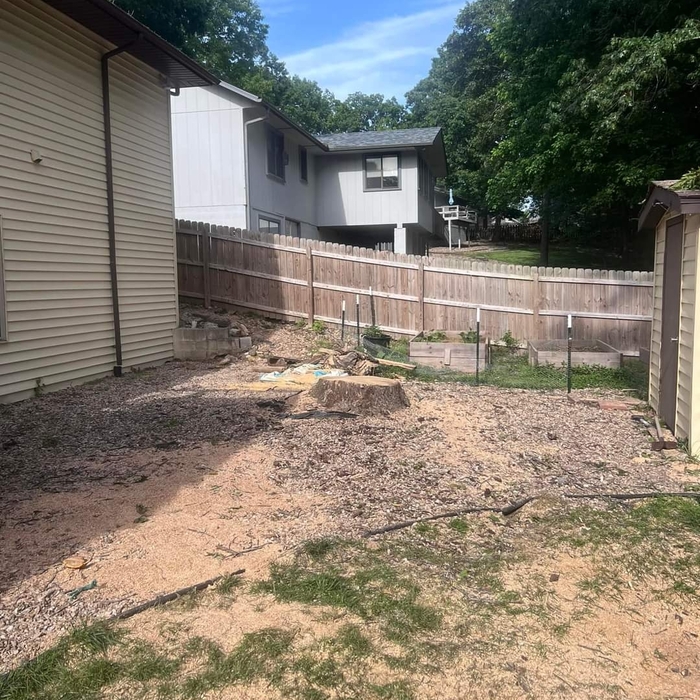



Top-rated tree service pros.

Get matched with top tree service pros in Pineville, MO

Enter your zip and get matched with up to 5 pros

Need a pro for your tree service project in Pineville, MO?

Select your specific project to find the pro for you.

TRUSTED BY PINEVILLE, MO HOMEOWNERS

  • Average homeowner rating star icon4.6
    Average homeowner rating
  • Verified reviews icon354
    Verified tree services reviews

Find Tree service pros in Pineville

Avatar for Revolution Tree Services
Revolution Tree Services
4.7(
53
)

Serving Pineville, MO and surrounding areas

In business since 2018

Free estimates

Emergency services offered

"Jose and crew removed a large and dying oak tree very near a patio. Showed up when promised and did an excellent job. The price was better than others. I have recommended them to friends."
Response time9 hrs
Recommended by100%of homeowners
Avatar for Eagle Tree Services, LLC
Eagle Tree Services, LLC
5.0(
9
)

Serving Pineville, MO and surrounding areas

In business since 2023

Emergency services offered

Warranties offered

"Eagle Tree Service recently removed 4 very large trees near our house. They were very courteous, kept in touch with us, arrived when they said they would and did exactly what we needed them to do. The cost of the removal was very reasonable. This is who we would contact for any future tree removal needs. We highly recommend them to anyone needing tree service."
Tree trimmed
Tree trimming
Srump grinder
Tree trimming
Tree trimming

+4

Response time1 day
Response rate91%
Recommended by62%of homeowners
...
Showing 1-10 of 81
Tree Service questions, answered by experts

Generally, homeowners do not need permission to cut down a tree on their own private property, but there are several exceptions where a permit may be required. You might need a permit if the tree is particularly large, old, or a protected species, such as a heritage tree. Trees located near public property or power lines can also be subject to special rules. Additionally, many local governments and homeowners associations (HOAs) have regulations controlling which trees can be removed to manage an area's appearance or prevent the spread of invasive species. To avoid hefty fines, it is crucial to check with your local government and HOA to determine if a permit is needed before you begin.

You can trim just one side of the tree, especially when that side is growing near something like a power line or a home. Pros will carefully trim the tree back until it is safe from that structure. While this is common, it also needs to be done with the utmost care, as pruning or trimming away at one side of the tree may make it structurally unsound. This instance is yet another where hiring a pro is wise, especially if power lines are involved.

You can use a chainsaw, but it won’t remove the entire stump or root ball and is not a recommended method. It takes quite a bit of physical work to achieve and will likely dull or ruin your chainsaw. Instead, consider using salt, herbicide, light deprivation, boiling water, stump grinding, or burning to kill a tree stump. These methods allow you to kill a stump using minimal machinery and physical exertion.

You can start your search for a reputable arborist online by looking for professionals who hold the proper licensing and are fully insured. Next, read through some online reviews to see what kind of service the expert brings to the table, and confirm that they don’t have a history of complaints with the Better Business Bureau. Finally, you can ask the professional for a list of references and then call them to ask questions about the service, professionalism, value, and more that the expert brings to the table.

It is possible to burn out a tree stump if it is dried out and in an area of your property with a large buffer. Drill holes in the stump and dig around the base so it burns more easily. Then, build a small campfire on top using kindling and firewood. You’ll need enough to keep the fire going for many hours to completely burn out the stump, especially if it’s large. 

Monitor the fire closely to ensure it doesn’t spread, and have a hose on hand if it starts to get out of control. When the fire is out, break apart the burned stump and dig out what’s left of it.  

If this sounds like a good option, learn more about how to burn a tree stump before attempting it, as it does come with risks.

The Pineville, MO homeowners’ guide to tree services

From average costs to expert advice, get all the answers you need to get your job done.