
Get matched with top lawn fertilization and treatment specialists in Pineville, MO
Enter your ZIP and get matched with up to 5 pros
Need a pro for your lawn fertilization and treatment project in Pineville, MO?
Select your specific project to find the pro for you.
Verified Reviews for Lawn Fertilization And Treatment pros in Pineville, MO
*The Angi rating for Lawn Fertilization And Treatment companies in Pineville, MO is a rating based on verified reviews from our community of homeowners who have used these pros to meet their Lawn Fertilization And Treatment needs.
*The HomeAdvisor rating for Lawn Fertilization And Treatment companies in Pineville, MO is a rating based on verified reviews from our community of homeowners who have used these pros to meet their Lawn Fertilization And Treatment needs.
Last update on December 09, 2025




Find Lawn fertilization and treatment specialists in Pineville

JayHawg Home and Lawn Care
JayHawg Home and Lawn Care
6 years of experience
Do you want it mowed, planted, or driveway or sidewalk surface cleaned? If so, give me a shout.
Do you want it mowed, planted, or driveway or sidewalk surface cleaned? If so, give me a shout.
Muddy Boots Landscaping
Muddy Boots Landscaping
Customers say: Terrific value
Recommended by 100% of Angi customers
Recommended by 100% of HomeAdvisor customers
Joplin's Top Rated Local® Landscaping Company
Joplin's Top Rated Local® Landscaping Company

Lawn Fertilization and Treatment questions, answered by experts
The Pineville, MO homeowners’ guide to lawn fertilization and treatments
From average costs to expert advice, get all the answers you need to get your job done.
 •
•Discover average lawn aeration cost, key price factors, and tips to save. Get a clear estimate for your yard and learn how to choose between DIY and hiring a pro.
 •
•Get transparent power seeding cost info to learn what impacts pricing, how to save, and whether to DIY or hire a pro for your lawn’s best results.
 •
•Discover average hydroseeding cost, key price factors, and ways to save. Get transparent estimates for your lawn project and make informed decisions for your home.

When your grass keeps dying where a tree used to be, it’s likely because there is a nutrient deficit in the soil in that area. Here’s how to fix it.

Brown patches on your lawn may occur for several reasons, including lack of sunlight and overfertilization. Learn how to treat and prevent patches.
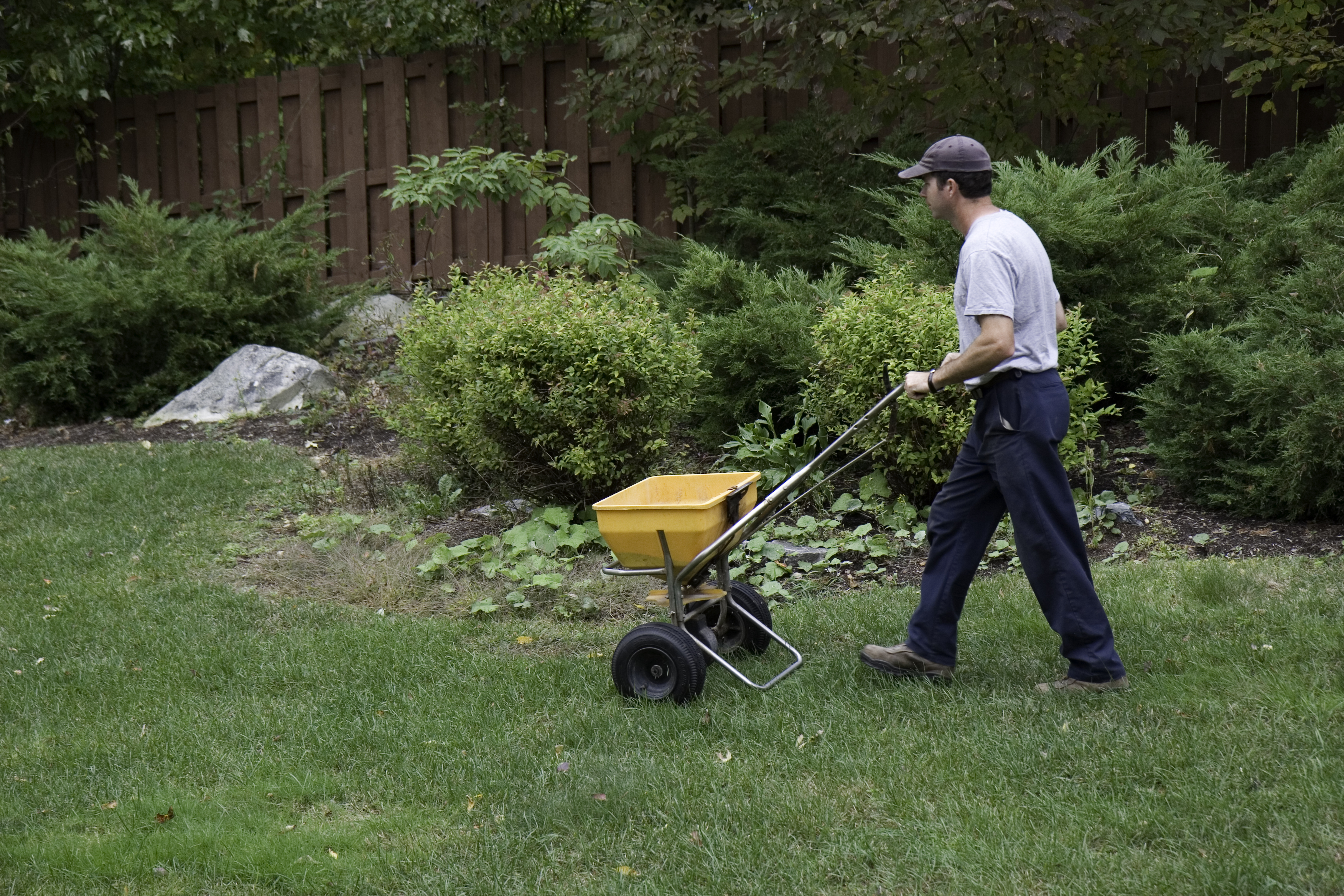
When it comes to drop spreaders versus broadcast spreaders, knowing the differences between them will help you make the right choice for your outdoor setup.
- Anderson, MO Lawn fertilization and treatment specialists
- Hiwasse, AR Lawn fertilization and treatment specialists
- Sulphur Springs, AR Lawn fertilization and treatment specialists
- Bella Vista, AR Lawn fertilization and treatment specialists
- Goodman, MO Lawn fertilization and treatment specialists
- Gravette, AR Lawn fertilization and treatment specialists
- Centerton, AR Lawn fertilization and treatment specialists
- Pea Ridge, AR Lawn fertilization and treatment specialists
- Diamond, MO Lawn fertilization and treatment specialists
- Decatur, AR Lawn fertilization and treatment specialists
- Bentonville, AR Lawn fertilization and treatment specialists
- Neosho, MO Lawn fertilization and treatment specialists
- Wheaton, MO Lawn fertilization and treatment specialists
- Seneca, MO Lawn fertilization and treatment specialists
- Grove, OK Lawn fertilization and treatment specialists
- Gentry, AR Lawn fertilization and treatment specialists
- Cave Springs, AR Lawn fertilization and treatment specialists
- Granby, MO Lawn fertilization and treatment specialists
- Wyandotte, OK Lawn fertilization and treatment specialists
- Rogers, AR Lawn fertilization and treatment specialists
- Jay, OK Lawn fertilization and treatment specialists
- Lowell, AR Lawn fertilization and treatment specialists
- Little Flock, AR Lawn fertilization and treatment specialists
- Elm Springs, AR Lawn fertilization and treatment specialists
- Copeland, OK Lawn fertilization and treatment specialists
- Cassville, MO Lawn fertilization and treatment specialists
- Tontitown, AR Lawn fertilization and treatment specialists
What do you need done? We’ll find top pros.
- 🌱 "Mow a small front yard"
- 🛠 "Fix a leaking pipe under the sink"
- 🏠 "Repair shingles on an asphalt roof"