







Top-rated drywall pros.

Get matched with top drywall pros in Monroe City, MO

Enter your zip and get matched with up to 5 pros

Need a pro for your drywall service project in Monroe City, MO?

Select your specific project to find the pro for you.

Find Drywall pros in Monroe City

Clark Handyman Service
5.0(
9
)
Drywall - Repair

Serving Monroe City, MO and surrounding areas

In business since 2007

Free estimates

Emergency services offered

Clark Handyman Services is committed to excellence in every aspect of our business. We uphold a standard of integrity bound by fairness, honesty and personal responsibility. Our distinction is the quality of service we bring to our customers. Accurate knowledge of our trade, combined with ability, is what makes us true professionals. Above all, we are watchful of our customers' interests and make their concerns the basis of our business.
trim work
baseboard and trim
had to build
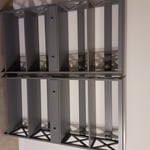
tv stand
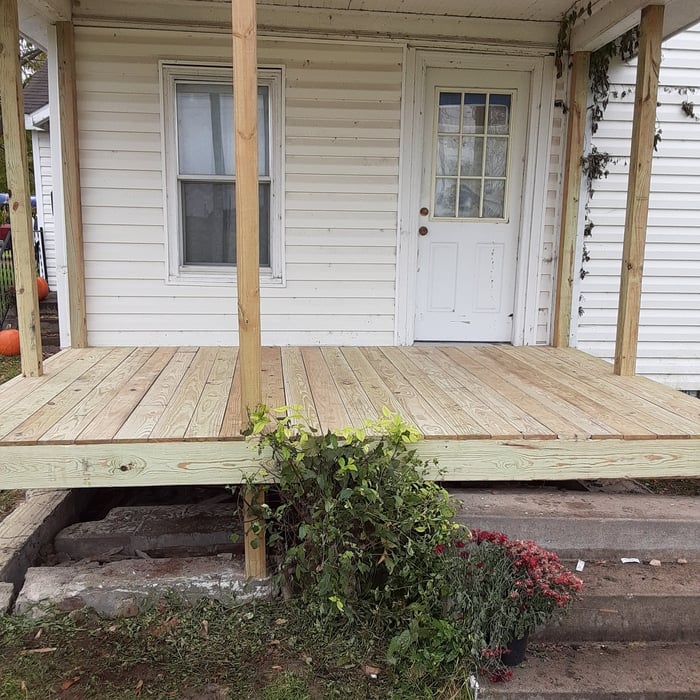
deck

+3

Response time10 hrs
Response rate95%
Recommended by100%of homeowners
Avatar for Smith Welding Service, LLC
Smith Welding Service, LLC
4.5(
13
)
Drywall - InstallDrywall - Install - For BusinessDrywall - Repair+1 more

Serving Monroe City, MO and surrounding areas

In business since 2021

Free estimates

Emergency services offered

Smith Welding Service and Construction LLC, is based on the belief that our customers' needs are of the utmost importance. With over 10 years of experience, I'm committed to meeting those needs. I welcome the opportunity to earn your trust and deliver you the best service. No job is too big or too small. Call today for a quote. \n

Pretty!
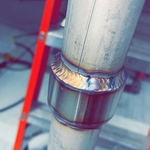
Welded for strength, and longevity.
Stackin' Dimes
I love what I do!
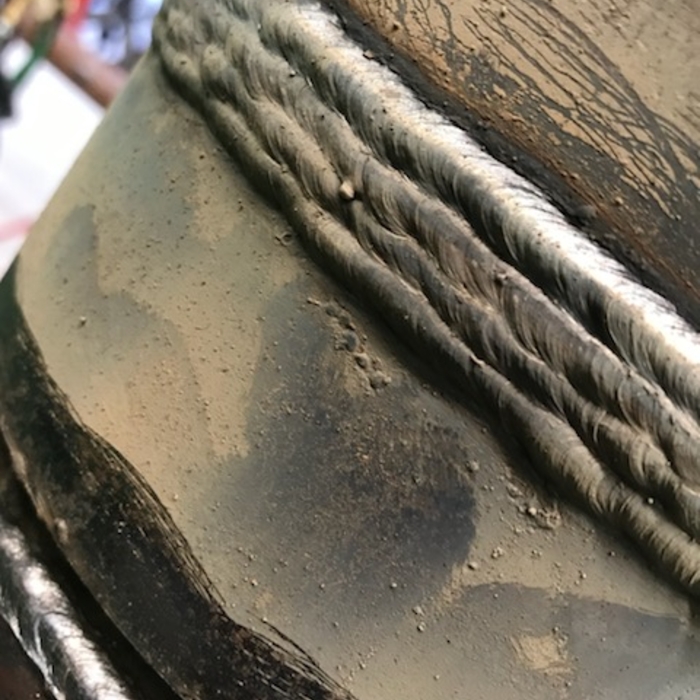
Multi Section welds

+20

Response time1 day
Recommended by80%of homeowners
Avatar for K's Construction Services
K's Construction Services
5.0(
3
)
Drywall - Repair

Serving Monroe City, MO and surrounding areas

In business since 2021

Free estimates

We pride our company on reliability, great communication, integrity, and quality work. We are experts in our trade and will do our best to keep you as educated as we can on your particular task or project. We look forward to earning your business! Book with us online or feel free to give us a call today!\n

Response time4 hrs
Response rate100%
Recommended by100%of homeowners
Showing 1-10 of 38
Drywall questions, answered by experts

The tool you use to sand plaster will depend on the size of the project. If you’re just working on a small section of your wall to get rid of an uneven spot on the surface, hand-sanding might work. However, for larger projects, a drywall sander can make a huge difference when it comes to both time and elbow grease—and an orbital sander can help for detailed areas such as around ceiling fans.

In framing, studs are placed at 16-inch intervals to coincide with the typical spacing of wall materials such as drywall or plywood. This spacing is called "on-center" and is necessary for maintaining structural stability and efficient use of materials. The 16-inch spacing also helps to distribute the weight evenly across the building's structure. For those looking to cut material costs and improve energy efficiency, 24-inch stud spacing can be employed through a method called "advanced framing". This requires careful planning and adherence to local building codes to ensure structural integrity.

While certain types of textured walls can seem dated (looking at you, popcorn), textured walls are a common sight in both older and more modern homes. The main reason textured walls may be here to stay is that they are an excellent way to hide minor imperfections on a wall and give it a finished appearance. Some homeowners think a coat of paint on drywall is a bit industrial-looking. However, that look works perfectly in modern home design

Although they have similar applications, spackle and joint compound are not the same. Their primary differences lie in their composition, consistency, and ideal use cases.

Spackle is composed of gypsum and binding agents, making it thicker than joint compound. It dries quickly and is easy to sand, which makes it ideal for small wall repair projects like filling nail holes or patching minor damage.

Joint compound, also known as drywall mud, consists of limestone and gypsum. It is primarily used for large-scale projects, such as taping and finishing the seams on newly installed drywall. It tends to shrink more than spackle and can be more difficult to spread.

While both products can be used to fill small depressions and cracks, spackle cannot replace joint compound for taping and mudding new drywall. Conversely, you can often use joint compound for small patching jobs typically done with spackle.

If your home was built before the 1940s and was not remodeled in the past 50 or so years, you probably have plaster walls. Aside from assuming, there are some practical ways to tell if you have plaster walls, including the following: If you knock on the wall and it feels solid, not hollow, if you can’t insert a thumbtack easily, if there are cracks that look like spiderwebs, or if your home has curved, arched, or swirled walls, doorways, or window openings.

If you have an unfinished basement or attic, you could examine the backs of any finished walls to check, too.

The Monroe City, MO homeowners’ guide to drywall services

From average costs to expert advice, get all the answers you need to get your job done.