





Top-rated drywall pros.

Get matched with top drywall pros in Shelbina, MO

Enter your zip and get matched with up to 5 pros

Need a pro for your drywall service project in Shelbina, MO?

Select your specific project to find the pro for you.

Find Drywall pros in Shelbina

Clark Handyman Service
5.0(
9
)
Drywall - Repair

Serving Shelbina, MO and surrounding areas

In business since 2007

Free estimates

Emergency services offered

Clark Handyman Services is committed to excellence in every aspect of our business. We uphold a standard of integrity bound by fairness, honesty and personal responsibility. Our distinction is the quality of service we bring to our customers. Accurate knowledge of our trade, combined with ability, is what makes us true professionals. Above all, we are watchful of our customers' interests and make their concerns the basis of our business.

trim work
baseboard and trim
had to build
tv stand
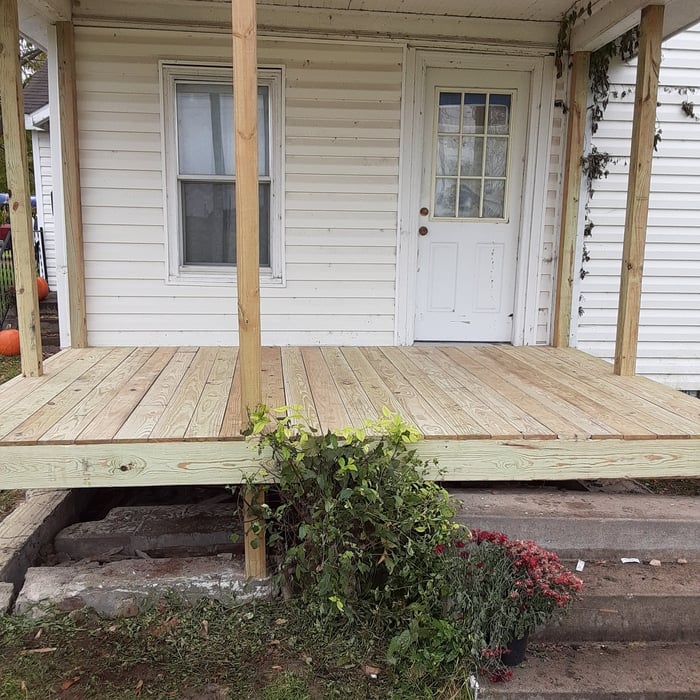
deck

+3

Response time10 hrs
Response rate95%
Recommended by100%of homeowners
Avatar for K's Construction Services
K's Construction Services
5.0(
3
)
Drywall - Repair

Serving Shelbina, MO and surrounding areas

In business since 2021

Free estimates

We pride our company on reliability, great communication, integrity, and quality work. We are experts in our trade and will do our best to keep you as educated as we can on your particular task or project. We look forward to earning your business! Book with us online or feel free to give us a call today!\n

Response time4 hrs
Response rate100%
Recommended by100%of homeowners
Showing 1-10 of 41
Drywall questions, answered by experts

Both plaster and drywall are durable wall finishes, but they differ significantly in installation, cost, performance, and aesthetics.

Installation & Cost: Drywall installation is faster and more affordable, typically costing $1.50 to $3 per square foot. It uses premade sheets, making it a more accessible DIY project. Plastering is a labor-intensive craft that requires specialized skills, pushing costs to $2 to $10 per square foot. It involves applying a wet paste over a lath framework.

Durability & Performance: Plaster is generally more durable, longer-lasting, and provides superior soundproofing. It is also a better insulator, which can help reduce energy costs. Drywall is easier to remove for future renovations.

Aesthetics: Drywall provides a smooth, uniform surface ready for paint or texture. Plaster offers a high-end, naturally textured look that can hide imperfections and is often preferred for achieving a classic or historic aesthetic.

Which is better? The choice depends on your priorities. Drywall is ideal for those prioritizing a lower upfront cost, faster installation, and DIY potential. Plaster is the better option for a higher-end project where durability, soundproofing, and a unique, premium finish are more important than the initial cost.

Drywall can be installed directly on ceiling joists. In fact, this method is common in many construction projects. Drywall sheets are attached to the joists using screws, ensuring a secure and stable installation. Before attaching the drywall, it's important to mark the joist locations on the ceiling, allowing for accurate screw placement. Proper spacing between screws and careful taping and mudding of joints are crucial to creating a smooth and flawless ceiling surface. If the joists are in good condition and level, installing drywall directly on them is a practical and efficient approach.

Most handy homeowners can tackle removing texture from unpainted walls. Removing texture from painted walls is a bit trickier. Paint acts as a sealant, so you can’t soften the texture with water. Instead, you’ll have to add a layer of drywall compound known as a skim coat. This process is messy and takes some practice.

You can technically just paint over hairline cracks in plaster since these cracks are often harmless, but this will mostly be a waste of paint. Paint will only hide the hairline crack for a few months before it shows up again. The best solution is to repair the crack with flexible filler or joint compound before repainting.

Fixing ceiling nail pops involves similar steps to wall repair, with the major difference being the orientation of the work. Ceiling nail pops can be more challenging because you may need to work overhead, which can be physically demanding and require additional safety precautions. Additionally, the ceiling may have different materials or finishes, such as textured surfaces, which can affect the repair process. Otherwise, the fundamental steps are the same.

The Shelbina, MO homeowners’ guide to drywall services

From average costs to expert advice, get all the answers you need to get your job done.