Poston Handyman & Remodels is committed to excellence in every aspect of our business. We uphold a\nstandard of integrity bound by fairness, honesty, and personal responsibility. Our distinction is\nthe quality of service we bring to our customers. We have accurate knowledge of our trade\ncombined with ability is what makes us true professionals. Above all, we are watchful of our\ncustomers' interests, and make their concerns the basis of our business.
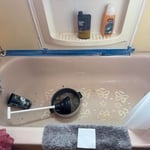
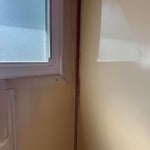
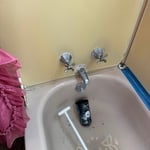
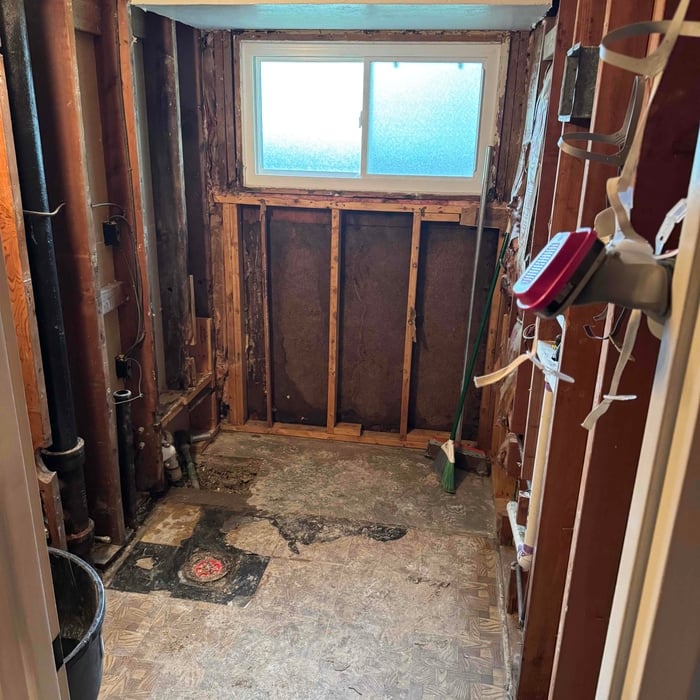
Hello, my name is Bobby. I provide reliable handyman services for a wide range of home repair and improvement needs. My experience includes everything from small jobs like replacing electrical outlets and faucet valves to full bathroom remodels.\n\nI’ve spent most of my career working in this field and take pride in delivering quality workmanship while helping others maintain and improve their homes. If you have a project you need assistance with, I’d be happy to help.
I have ten plus years experience in the service and construction industry. Very high integrity in quality and craftsmanship, I look forward to meeting you
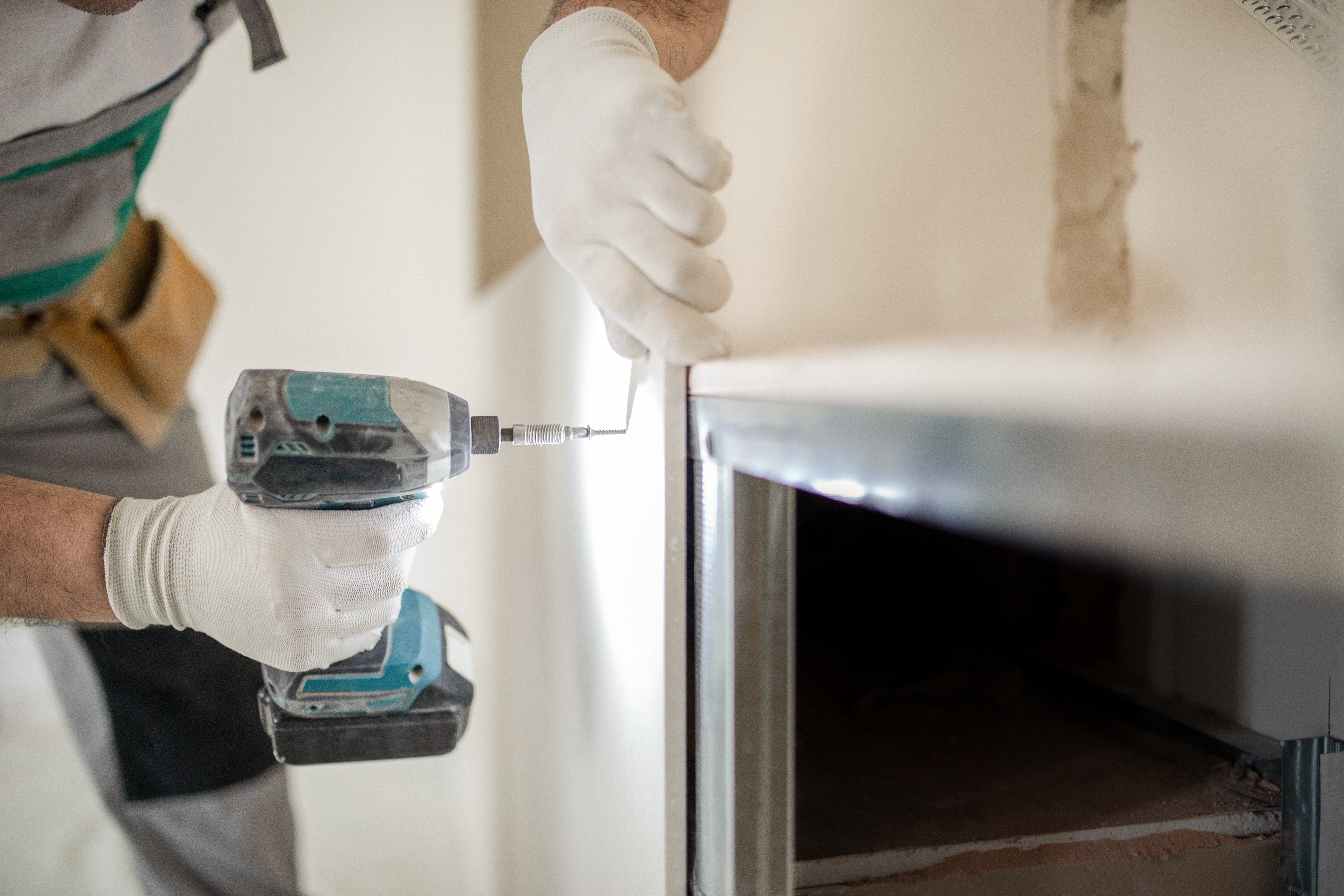
Need help tackling repairs, maintenance, or improvement projects around your home or business? We provide dependable, professional handyman services for projects both large and small.\n\nFrom everyday repairs to property improvements, we take pride in quality workmanship, attention to detail, and getting the job done right.\n\nServices include:\n\n• General home repairs and maintenance\n• Drywall repair and patching\n• Interior and exterior painting\n• Door and trim installation and repair\n• Flooring repairs and installation\n• Fixture and hardware installation\n• Deck and fence repairs\n• Light carpentry\n• Punch-list and miscellaneous handyman projects\n\nWhether you have one repair or an entire list of projects, we’re here to help keep your property looking great and working the way it should.\n\nQuality Work • Dependable Service • Fair Pricing\n\nContact us today to discuss your project and request an estimate
"Outstanding drywall repair work! Jon was courteous, efficient, and did an amazing job fixing the damage. His attention to detail and quality of work exceeded my expectations. Highly recommended! 5/5 stars"
"Aguilar Drywall Services have been great to work with! They are always on time and do great work. We have used their services on multiple projects and we are always very happy with their work. 10/10"
"Efram was professional and know what he doing and we are satisfied with his wonderful skills and Job done. But still my drywall need to be finished since he opened the wall to do his job And was told to request service for that. So far I am thankful"
Clark Handyman Services is committed to excellence in every aspect of our business. We uphold a standard of integrity bound by fairness, honesty and personal responsibility. Our distinction is the quality of service we bring to our customers. Accurate knowledge of our trade, combined with ability, is what makes us true professionals. Above all, we are watchful of our customers' interests and make their concerns the basis of our business.
We take great pride in our experience, expertise, quality, and customer service that we provide to meet the consumer's needs. It is our mission to provide excellent workmanship and complete customer satisfaction from start to completion of a project. In order to understand the needs and expectations of our customers, we take great care to work and communicate with every customer in a professional manner. Our reputation is based on service, safety, and quality, regardless of how large or small the job.
It’s not a good idea to plaster over broken plaster (unless by broken you’re referring to cracked, in which case that’s perfectly fine). However, broken plaster can be a sign of a larger underlying issue like foundation damage or severe damage to the lath holding up the plaster, so it’s worth investigating before you simply plaster on top of the damage.
Wall anchors are suitable for drywall and plaster walls, which are common in most homes. However, different wall materials may require specialized anchors. For concrete or masonry walls, you'd typically use concrete anchors. When dealing with other wall types, such as brick or tile, specific anchors designed for those materials may be necessary. Always consult with a hardware specialist or check the manufacturer's recommendations to ensure you select the appropriate anchors for your specific wall type.
Yes, a fan can help drywall mud dry faster by improving air circulation and reducing humidity in the room. Drywall mud dries through evaporation, so increasing airflow speeds up this process. However, you should position the fan to blow across the room rather than directly on the wet mud. This helps prevent drying too quickly, which can cause cracking. You should also use a dehumidifier if high humidity is an issue.
There is no way to cut drywall without making dust, but you can reduce the amount of dust and especially the dangerous airborne particles by using manual cutting tools. Using a utility knife to score and snap your drywall will minimize dust production, and a jab saw for cutting cutouts for boxes and fixtures will generate almost no airborne dust. Even if you use these methods, you should still wear a respirator and safety goggles to avoid damage to your lungs and eyes.
Yes, cabinets are installed over drywall. The drywall must be in good condition, and you must ensure that the wall can handle the weight of the cabinets. Secure the cabinets to studs and use proper anchoring devices, like toggle bolts.
The Paris, MO homeowners’ guide to drywall services
From average costs to expert advice, get all the answers you need to get your job done.
Drywall texture can create an attractive finish and add dimension to your home’s walls. This guide breaks down the factors that influence the cost to texture drywall.
Installing drywall is the most common way to finish your home’s interior. Use this drywall installation cost guide to see what your project is likely to cost.
Whether you want to spruce up a few dents and dings or fix a large surface area, investing in drywall repair costs can return your walls to a smooth, flush look.
Understanding the plaster vs. drywall debate is key to giving your home’s walls the perfect finish. Learn more about the pros, cons, and costs with our advice.
The terms drywall and Sheetrock are often used interchangeably, but one is a brand and one is a specific product. Find out which one you need in this guide.
Thick gaps and extra joint compound can alter the look of drywall. So, should drywall be butt up against a wall? Review this guide for seamless installation.