


Top-rated electricians.

Get matched with top electricians in Marionville, MO

Enter your zip and get matched with up to 5 pros

Need a pro for your electrical service project in Marionville, MO?

Select your specific project to find the pro for you.

TRUSTED BY MARIONVILLE, MO HOMEOWNERS

  • Average homeowner rating star icon4.6
    Average homeowner rating
  • Verified reviews icon105
    Verified electrical services reviews

Find Electricians in Marionville

Mr. Electric of Joplin Area
4.2(
63
)
Fixed Generator - InstallElectrical Switches, Outlets & Fixtures - Install or RepairElectrical Wiring or Panel Upgrade+2 more

Serving Marionville, MO and surrounding areas

Approved

In business since 2009

Emergency services offered

Credit card accepted

"Very professional and friendly, installed new ceiling lights in the dinning room and cleaned the mess after he was finished. Will use Mr. Electric for my next electrical job. Christian Mast of Nixa, MO"
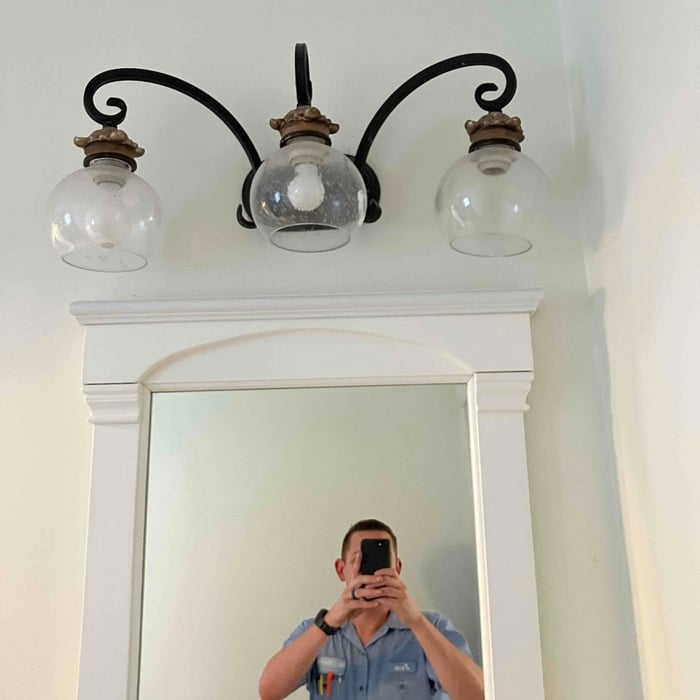
Vanity lights
Chandelier
Chandelier
Pool lighting
Vanity lighting

+3

Response time1 day
54 neighbors recently requested a quote
Recommended by89%of homeowners
...
Showing 1-10 of 140
Electrical questions, answered by experts

How far you can run underground electric depends on the wire gauge (generally AWG) and the circuit voltage. Too much voltage drop in an electrical circuit can negatively affect performance, so the smaller the voltage drop, the better. Ideally, it shouldn't exceed 3%. The smaller the wire and the longer the run, the more significant the voltage drop. 

For example, with a 120-volt circuit, you can run 60 feet of 12 AWG cable without losing more than 3% voltage. With a 240-volt circuit, you can run 120 feet of 12 AWG wire while maintaining a voltage drop of 3% or less.

Yes, states and local governments can have additional building codes that address kitchen outlets. In most cases, these kitchen outlet codes simply refer to the NEC. However, states or local municipalities can have separate requirements for electrician licensing, such as requiring a permit to make big changes, and other details.

The key difference between a circuit breaker versus a surge protector is that circuit breakers shield your entire electrical system from overcurrents and faults, while surge protectors defend your electronic devices against voltage surges and spikes. A circuit breaker interrupts the flow of electricity in a circuit when it detects an overload or short circuit, protecting the wiring from damage and preventing fires. In contrast, a surge protector shields electronic devices from voltage spikes, such as those caused by lightning strikes or power surges, preventing damage to the device’s inner mechanics.

Different types of light switches include single-pole switches (the standard switch in your home), double-pole switches, toggle switches, three-way switches, four-way switches, dimmer switches, and more. 

A single-pole light switch controls the power to a single device, whereas two-way, three-way, and four-way light switches control lights from different locations, increasing the number of connections in the home.

Smoke detectors come in two different options: hardwired or battery-operated. While hardwired units are attached directly to the home’s electrical system, a battery-operated smoke detector only needs a simple battery for operation and can be placed virtually anywhere in your home. Some homeowners may mistakenly think their battery-operated units are hardwired in because all their units are interconnected, but many battery-operated units can operate within a smoke alarm network in your home.
The Marionville, MO homeowners’ guide to electrical services

From average costs to expert advice, get all the answers you need to get your job done.