



Top-rated electricians.

Get matched with top electricians in Highlandville, MO

Enter your zip and get matched with up to 5 pros

Need a pro for your electrical service project in Highlandville, MO?

Select your specific project to find the pro for you.

TRUSTED BY HIGHLANDVILLE, MO HOMEOWNERS

  • Average homeowner rating star icon4.5
    Average homeowner rating
  • Verified reviews icon272
    Verified electrical services reviews

Find Electricians in Highlandville

Avatar for JEK ELECTRIC
JEK ELECTRIC
5.0(
20
)
Electrical Switches, Outlets & Fixtures - Install or RepairElectrical for Home Addition or Remodel - InstallAppliance (Major Electric Appliance) - Install or Replace+6 more

Serving Highlandville, MO and surrounding areas

Approved

Super Service Award Winner

In business since 2010

Free estimates

Offers commercial services

"We had JEK install some pendent lights in our kitchen and a backup generator for the house, and they did an awesome job! JEK is super reliable, always showed up when they said they would, and really paid attention to the little details. Everything looks great and works perfectly. You can tell they take their work seriously and want to make sure it’s done right. Would definitely call them again and recommend them to anyone needing electrical work."
Panel upgrade
Panel upgrade
New construction
New construction
Response time8 hrs

6 neighbors recently requested a quote

Avatar for Sundberg Industries, LLC
Sundberg Industries, LLC
4.8(
12
)
Electrical Switches, Outlets & Fixtures - Install or RepairElectrical Wiring or Panel UpgradeElectrical for Home Addition or Remodel - Install+10 more

Serving Highlandville, MO and surrounding areas

Approved

Super Service Award Winner

In business since 2017

Free estimates

Emergency services offered

"Great experience! Showed up the day after posted the project. We had an electrical problem in the garage that a handyman couldn't figure out. Great communication, very friendly and professional. Described the cost prior to coming out. Was patient in looking for the problem. Found the problem (it was a faulty outdoor plug that knocked out the garage door openers). Fixed the problem and replaced another outdoor plug. Great experience-highly recommend."
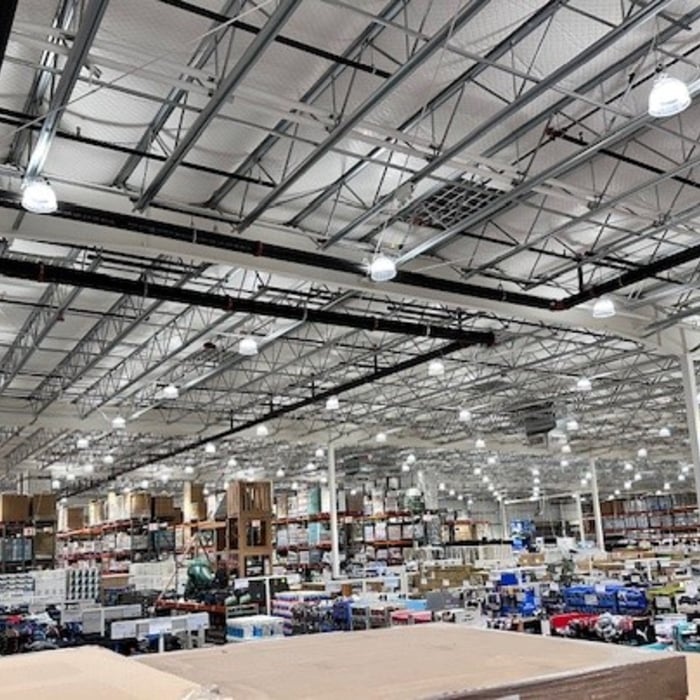
Commercial Retail Lighting
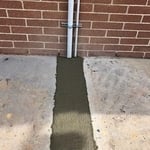
Concrete Covered Electrical Trench
Indoor Lighting
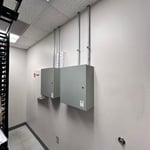
Indoor Lighting Control Panel
Indoor Commercial Lighting

+6

Response time6 hrs
Response rate93%
6 neighbors recently requested a quote
...
Showing 1-10 of 187
Electrical questions, answered by experts

Most standard residential water heaters, which are typically around 40 gallons and use 240 volts and between 3,500 and 5,500 watts, require a 30-amp, two-pole circuit breaker. For smaller, point-of-use water heaters using 120 volts and between 1,500 and 3,000 watts, a 30-amp breaker is also often adequate. However, some models may have different needs; units that use more watts than average may require a 40-amp breaker, while smaller units might only need a 20-amp breaker. Newer, tankless, or more energy-efficient models can also require a higher amperage. Having the correct breaker size is crucial for safe and efficient operation, so it's best to consult a licensed electrician to determine the specific needs of your water heater.

The size of the microwave you choose may change this answer, but for standard over-the-range microwaves, 120 volts and a three-prong grounded outlet is needed for your device.

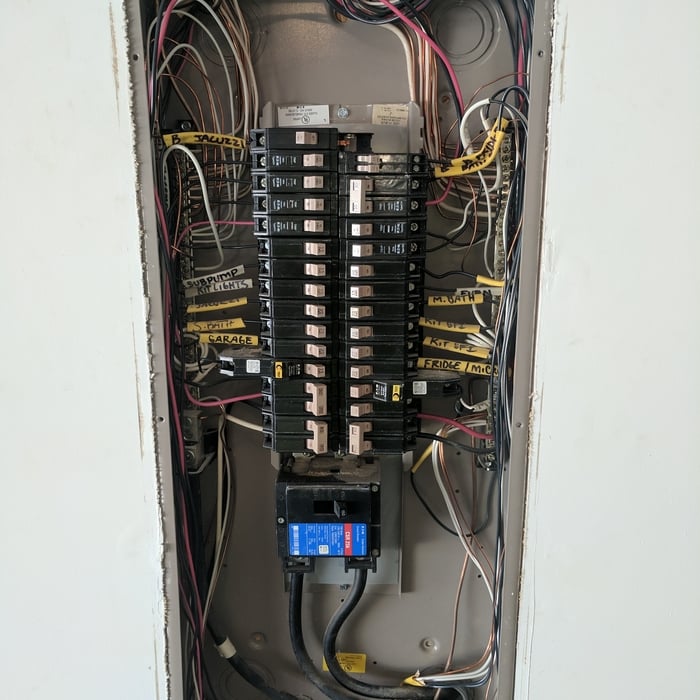
Unless you’re a licensed electrician with extensive experience in upgrading electric panels, you must hire a professional for any electrical work. A licensed electrician will make sure your breaker is upgraded safely and in compliance with local codes. Your pro will also take care of any permits and inspections that are needed.

Single-pole switches are simple circuits designed for lower voltages. As such, they don’t require the complex wiring of switches that need to supply power to larger devices and appliances. This is why single-pole switches commonly go in bathrooms, closets, and other small rooms that power a low-watt light fixture. One wire creates the circuit from the power supply, the other goes to the fixture, and the final wire provides safety mechanisms through grounding.

The most common type of electrical outlet is a 3-prong outlet, which has two flat blades (one is wider than the other) and a round grounding pin. Older homes typically have 2-prong outlets that aren’t as safe as more modern options and are generally not up to current electrical codes.  Other outlets you can find in your home include 20A, 125 volt varieties for larger appliances like refrigerators or washing machines. 

There are also GFCI outlets, which protect against electrical shock in wet areas, such as bathrooms and kitchens, and arc fault circuit interrupter (AFCI) outlets, which protect against electrical fires caused by arcing.

The Highlandville, MO homeowners’ guide to electrical services

From average costs to expert advice, get all the answers you need to get your job done.