



Top-rated electricians.

Get matched with top electricians in Aurora, MO

Enter your zip and get matched with up to 5 pros

Need a pro for your electrical service project in Aurora, MO?

Select your specific project to find the pro for you.

TRUSTED BY AURORA, MO HOMEOWNERS

  • Average homeowner rating star icon4.6
    Average homeowner rating
  • Verified reviews icon47
    Verified electrical services reviews

Find Electricians in Aurora

...
Showing 1-10 of 151
Electrical questions, answered by experts

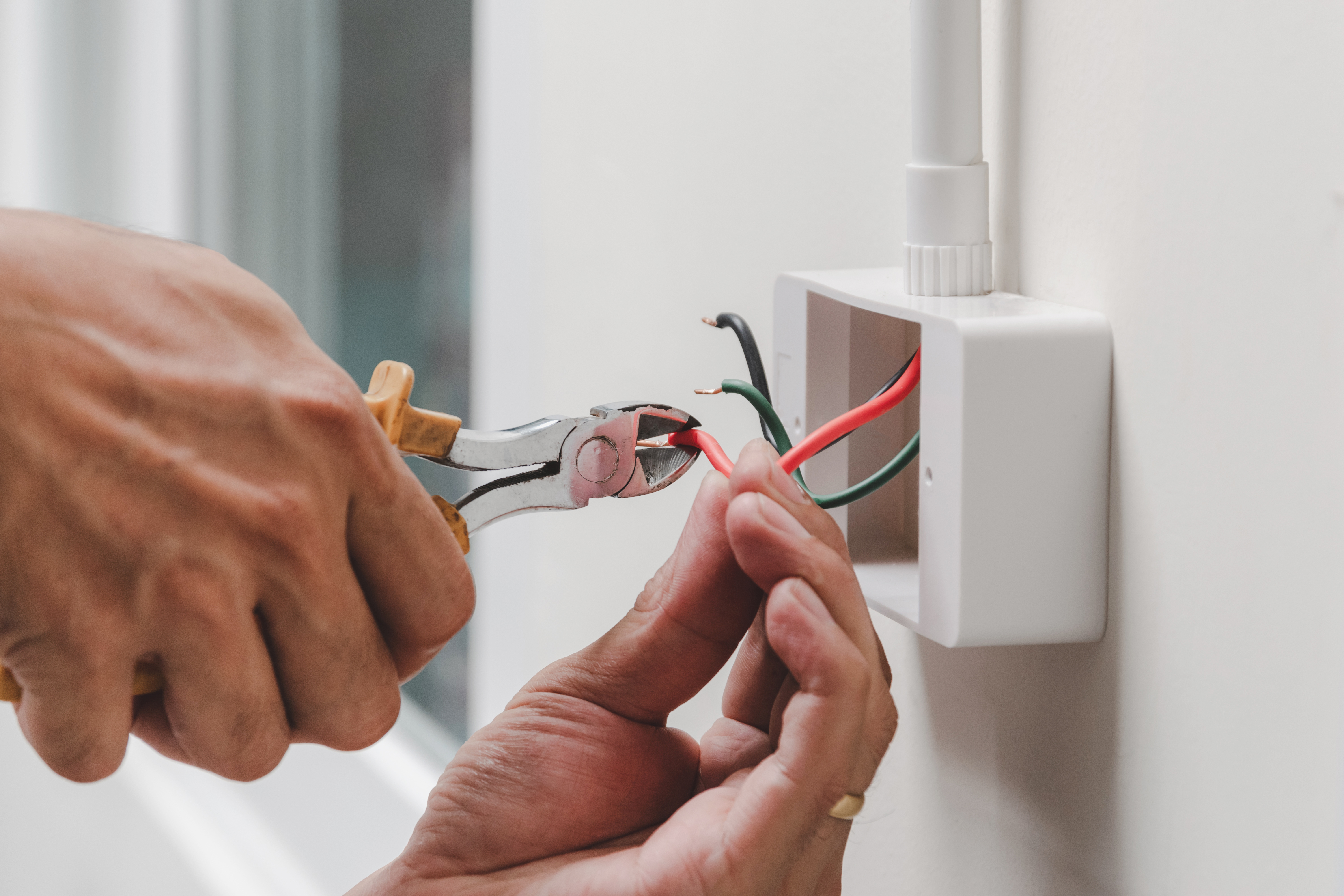
No, it’s extremely dangerous to cap off live electrical wires. Working with live wires puts you at serious risk of electric shock, which can cause injury or even be fatal. Whenever you need to cap off electrical wires or complete any electrical work in general, it’s essential to shut the power off at the breaker before you begin.

You can add an electrical outlet outside by sending a wire through the wall from an existing interior outlet. Without having to open up walls, you can thread a new electrical cable from the existing outlet through the wall and to the exterior. You’ll need to cut a hole in the siding to place your new outlet. Ensure that your outdoor outlet is a GFCI outlet (ground fault circuit interrupter outlet) per the National Electrical Code. It’s best to hire an electrician to add an outdoor outlet unless you have previous electrical experience.

On average, replacing an electrical breaker panel, such as the Federal Pacific Electrical breaker panel, costs about $1,300. The price range for replacing electrical panels is between $550 and $2,100, depending on your location, the electrical panel’s location, and the extent of the work required to replace the panel. This kind of electrical work is dangerous and should only be done by a licensed electrician.

If wiring in a relatively modern home is damaged due to sudden events like a fire, a tree falling into the house, or a flood, then homeowners insurance is very likely to cover the cost of replacing the wire.
However, if it’s determined that wiring failed or started the fire because of age, neglect, or not meeting current electrical standards, then insurance won’t be covering any replacement. Also, insurance policies may charge more for particularly old kinds of wiring like aluminum wiring or deny applications altogether. 

The most common gauge for indoor outlets around your home is 12- and 14-gauge wires. But if you’re working with larger appliances like ovens, washing machines, or dryers (all of which require more amplitude), you might find 10-, eight-, or six-gauge wires to help support those hefty appliances.
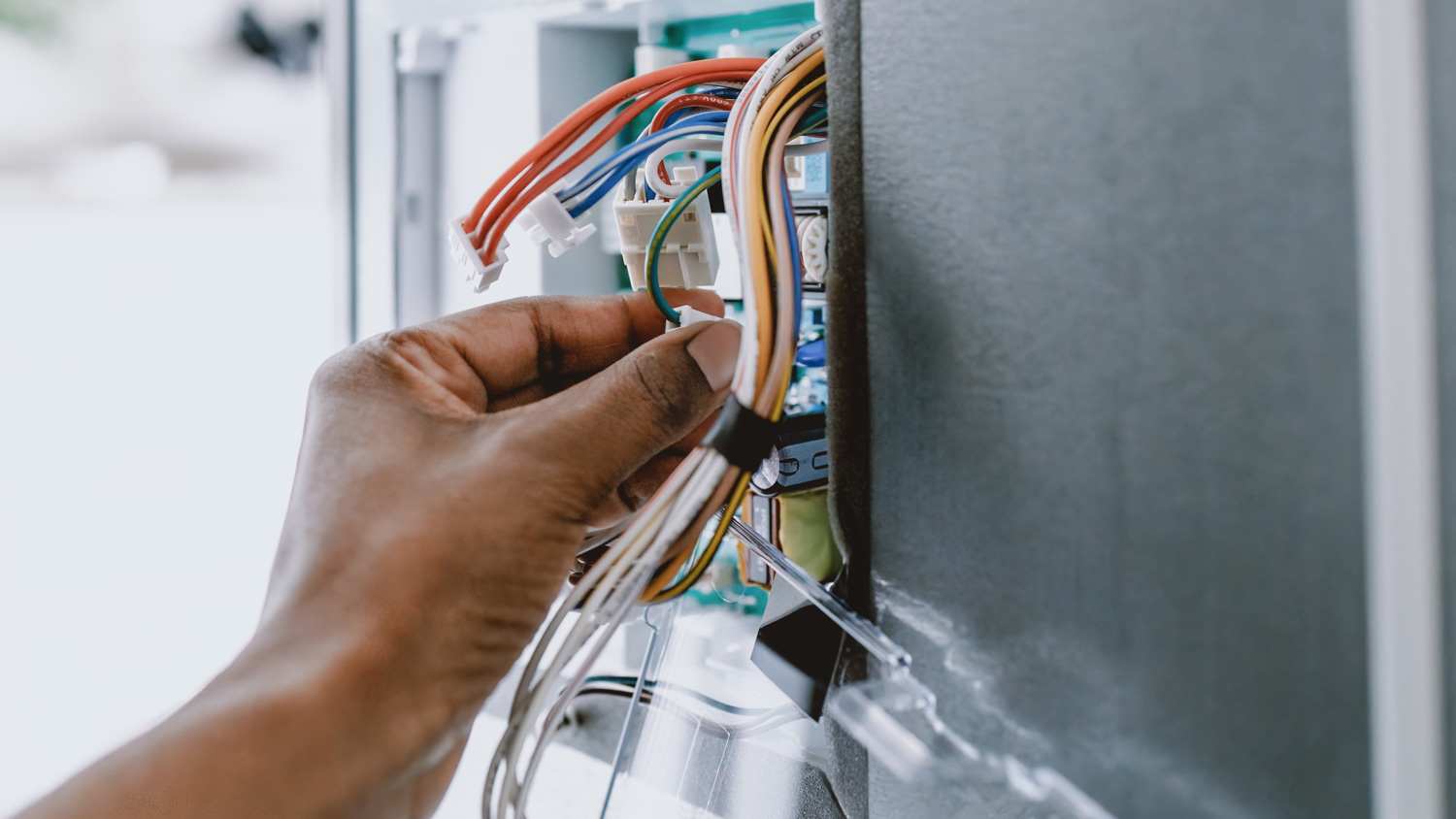
The Aurora, MO homeowners’ guide to electrical services

From average costs to expert advice, get all the answers you need to get your job done.