




Top-rated electricians.

Get matched with top electricians in Branson West, MO

Enter your zip and get matched with up to 5 pros

Need a pro for your electrical service project in Branson West, MO?

Select your specific project to find the pro for you.

TRUSTED BY BRANSON WEST, MO HOMEOWNERS

  • Average homeowner rating star icon4.4
    Average homeowner rating
  • Verified reviews icon122
    Verified electrical services reviews

Find Electricians in Branson West

Avatar for Sundberg Industries, LLC
Sundberg Industries, LLC
4.8(
12
)
Electrical Switches, Outlets & Fixtures - Install or RepairElectrical Wiring or Panel UpgradeElectrical for Home Addition or Remodel - Install+10 more

Serving Branson West, MO and surrounding areas

Approved

Super Service Award Winner

In business since 2017

Free estimates

Emergency services offered

"Drew was very personable and was willing to work within my budget. I had called around and gone over my electrical issue with several other companies who insisted I needed to completely upgrade the service which would have cost me over double what I ended up paying with Sundberg. He couldâ ve told me the same thing as the other companies but instead walked through the exact issues and suggested something that completely eliminated my original issue while saving me money. We had another completely unrelated electrical issue pop up shortly after and he was able to fix it within a few days of us contacting him. We will use Sundberg for all our future electrical work!"
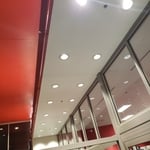
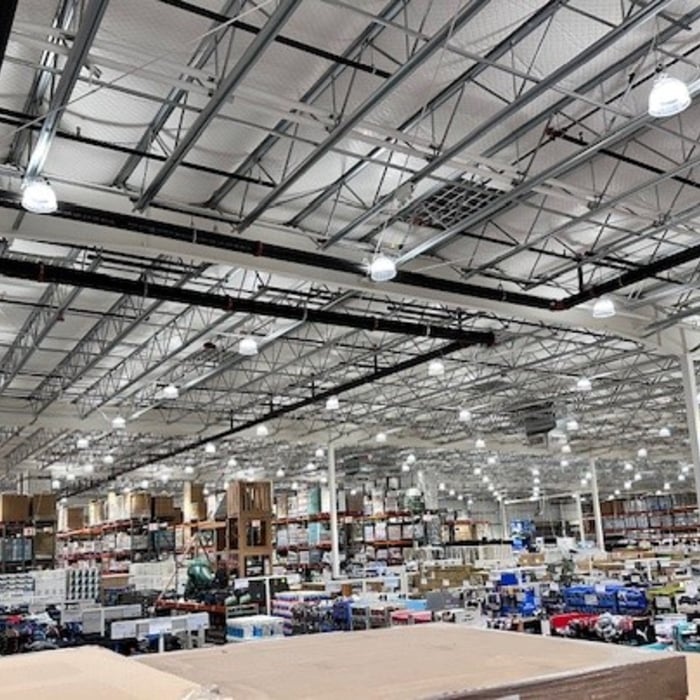
Commercial Retail Lighting
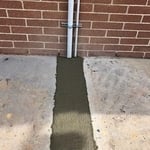
Concrete Covered Electrical Trench
Indoor Lighting
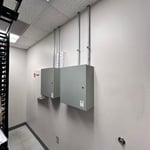
Indoor Lighting Control Panel
Indoor Commercial Lighting

+6

Response time6 hrs
Response rate93%
6 neighbors recently requested a quote
Avatar for TF Exterior Group
TF Exterior Group
4.9(
13
)
Outdoor Lighting - Plan and Install

Serving Branson West, MO and surrounding areas

Approved

In business since 2023

Free estimates

Credit card accepted

"Very pleased with the work that was done to my house. Contractor was very professional and respectful. Contractor did exactly what I wanted/needed done. I will most certainly recommend his services & if the need arises, I will call on him again."
Response time6 hrs
45 neighbors recently requested a quote
Recommended by16%of homeowners

...
Showing 1-10 of 134
Electrical questions, answered by experts

Choosing between 12- or 14-gauge wire for your house depends on the electrical requirements of the circuit. A 12-gauge wire is thicker and can handle more power, making it better suited for devices such as kitchen appliances, air conditioning units, or electric heaters.

A 14-gauge wire is thinner and can handle less electrical current than a 12-gauge wire. It's ideal for circuits with lower power requirements, such as lighting or general-purpose outlets in bedrooms or living rooms.

Yes, GFCI breakers are required for all outdoor outlets. This code requirement applies to all outlets located on balconies, decks, patios, and other outdoor lounge spaces. In addition, outdoor outlets need to have watertight covers that provide protection when cords are plugged in. If you have an older home that may not be up to code, it's a good idea to also ask your electrician about adding GFCIs to some indoor areas. Kitchens, bathrooms, basements, and any other areas of a home that are commonly exposed to moisture should have GCFI breakers.



It’s possible to distinguish a positive black wire from a negative black wire if you know what type of circuit the wires are in. If it’s an alternating current (AC), then black wires are positive. If it’s a direct current (DC), then black wires are negative. 

Sometimes, a circuit has two black wires. In that case, the positive black wire will be solid black while the negative black wire will have a white stripe on it. If you’re still unsure, you can use a multimeter to check.

The number of outdoor outlets that can be on one circuit depends on the circuit's capacity and the electrical load of each outlet. Outdoor outlets should ideally be on a dedicated circuit that is not shared with other outlets, and each outlet should be rated for at least 15 amps. A circuit rated for at least 20 amps is recommended. It’s important to use GFCI protection for all outdoor outlets to prevent electrical shocks. Overall, it's crucial to avoid overloading the circuit and take necessary safety precautions.

Yes—if a breaker is old or damaged, it might not be able to detect power surges or electrical overload. If that happens, the breaker won’t trip. Instead, it will begin to overheat, putting your electrical system at risk of fire or total electrical failure. Circuit breakers don’t last forever, so you can proactively replace old or damaged breakers before they stop working.

The Branson West, MO homeowners’ guide to electrical services

From average costs to expert advice, get all the answers you need to get your job done.