



Top-rated electricians.

Get matched with top electricians in Walnut Grove, MO

Enter your zip and get matched with up to 5 pros

Need a pro for your electrical service project in Walnut Grove, MO?

Select your specific project to find the pro for you.

TRUSTED BY WALNUT GROVE, MO HOMEOWNERS

  • Average homeowner rating star icon4.2
    Average homeowner rating
  • Verified reviews icon52
    Verified electrical services reviews

Find Electricians in Walnut Grove

Avatar for NextGen Electric, LLC
NextGen Electric, LLC
4.8(
58
)
Electrical Switches, Outlets & Fixtures - Install or RepairElectrical Wiring or Panel UpgradeFixed Generator - Install

Serving Walnut Grove, MO and surrounding areas

Approved

In business since 2017

Free estimates

Emergency services offered

"Hans came out and looked at what we wanted, said he could get it done within a few days, and he ended up being able to come out that same afternoon to do the work for us. This is the second time we hired him. And we will call him again if we need any electrical work. He is very pleasant to work with."
New Ceiling Fan Box
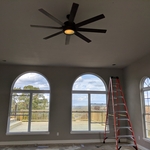
New Ceiling Fan
Junction Box
Light Switches
Circuit Additions

+25

Response time12 hrs
Recommended by98%of homeowners
Avatar for Donohue's Lightning Rods
Donohue's Lightning Rods
4.3(
70
)
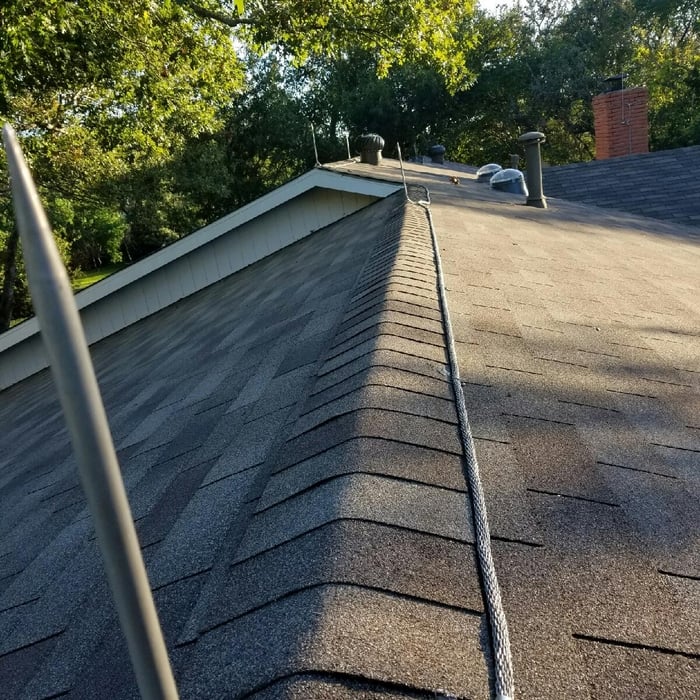
Lightning Protection - Install or Repair

Serving Walnut Grove, MO and surrounding areas

Approved

In business since 1971

Free estimates

Emergency services offered

"The man who did the job were awesome. They were very thorough, professional, and speedy. They left our church grounds spotless. I could not recommend them highly enough."
Jobs from the last 3 year
Lightning protection

+10

Response time1 day
60 neighbors recently requested a quote
Recommended by96%of homeowners
...
Showing 1-10 of 154
Electrical questions, answered by experts

For a 200-amp underground service, you need a minimum of #2/0 American Wire Gauge (AWG) copper or #4/0 AWG aluminum or copper-clad wire. Don’t forget that, at minimum, you’ll need to use a 1 1/2-inch schedule 40 or 80 PVC conduit to successfully run a 200-amp underground service.

Several signs can indicate a light switch is bad. If the switch feels loose, slides down after you flip it, or requires multiple flicks to turn the light on, it may be failing. Other common indicators include flickering lights or a general failure to turn the light on or off. Pay attention to any unusual sounds, such as crackling, buzzing, or popping when you operate the switch. More serious signs, which can present a fire or shock hazard, include the switch feeling excessively warm or hot, sparking, smoking, or emitting a burning smell. If you notice any of these dangerous signs, stop using the switch immediately and call an electrician.

No, you should never plug a generator directly into a wall outlet in your house. This practice is extremely dangerous, often illegal, and can cause "back-feeding," where power from the generator flows back into utility lines, creating a life-threatening hazard for utility workers. It can also damage your home's electrical system, including appliances like pumps and HVAC fans. If the main power is restored while the generator is connected, it can destroy the generator and cause an electrical fire. To safely connect a generator, you must use a professionally installed transfer switch or an interlocking kit, which prevents back-feeding by disconnecting your home from the utility grid before the generator provides power.

The American Wire Gauge system calculates wire size diameters using the complicated formula D(AWG)=.005·92((36-AWG)/39) inch. A simpler rule of thumb is that every six-gauge decrease doubles the wire diameter, and every three-gauge decrease doubles the wire’s cross-sectional area. On the other hand, wavenumbers are typically measured in reciprocal meters (1/m or m−1) or reciprocal centimeters (1/cm or cm−1).

If wiring in a relatively modern home is damaged due to sudden events like a fire, a tree falling into the house, or a flood, then homeowners insurance is very likely to cover the cost of replacing the wire.
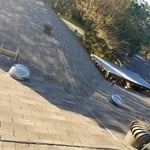
However, if it’s determined that wiring failed or started the fire because of age, neglect, or not meeting current electrical standards, then insurance won’t be covering any replacement. Also, insurance policies may charge more for particularly old kinds of wiring like aluminum wiring or deny applications altogether. 

The Walnut Grove, MO homeowners’ guide to electrical services

From average costs to expert advice, get all the answers you need to get your job done.