





Top-rated mold testing and remediation specialists.

Get matched with top mold testing and remediation specialists in Kimmswick, MO

Enter your zip and get matched with up to 5 pros

Need a pro for your mold testing and remediation project in Kimmswick, MO?

Select your specific project to find the pro for you.

TRUSTED BY KIMMSWICK, MO HOMEOWNERS

  • Average homeowner rating star icon4.7
    Average homeowner rating
  • Verified reviews icon10
    Verified mold testing and remediation services reviews

Find Mold testing and remediation specialists in Kimmswick

Got Mold and more
5.0(
2
)
Mold & Toxic Material TestToxicity and Mold - RemovalMold & Toxic Material Test - For Business+1 more

Serving Kimmswick, MO and surrounding areas

Approved

In business since 2018

Free estimates

Offers commercial services

"Mike is a great guy to do business with. His associate Tom did an excellent job in remediating mold from my house. They both are professional and friendly. I highly recommend them."
Response time4 hrs
Response rate92%
21 neighbors recently requested a quote
Avatar for Scope Environmental
Scope Environmental
5.0(
15
)
Indoor Air Quality TestingMold & Toxic Material TestMold & Toxic Material Test - For Business

Serving Kimmswick, MO and surrounding areas

In business since 2023

Free estimates

Small jobs welcome

"I used Scope Environmental recently to test floor tile and the underlying mastic to determine if either contained asbestos. I selected Scope because Jeff was very responsive, professional, independent of the abatement companies and his price was competitive. Jeff suggested testing both the tiles and mastic. The tiles tested positive for asbestos but the mastic contained no asbestos. As a result, I saved considerable expense by abating the tiles only and not the mastic so I also used Scope again for the post abatement air testing rather than the abatement company. I would hire Scope again for material and air testing for asbestos, mold or any other potentially toxic materials."
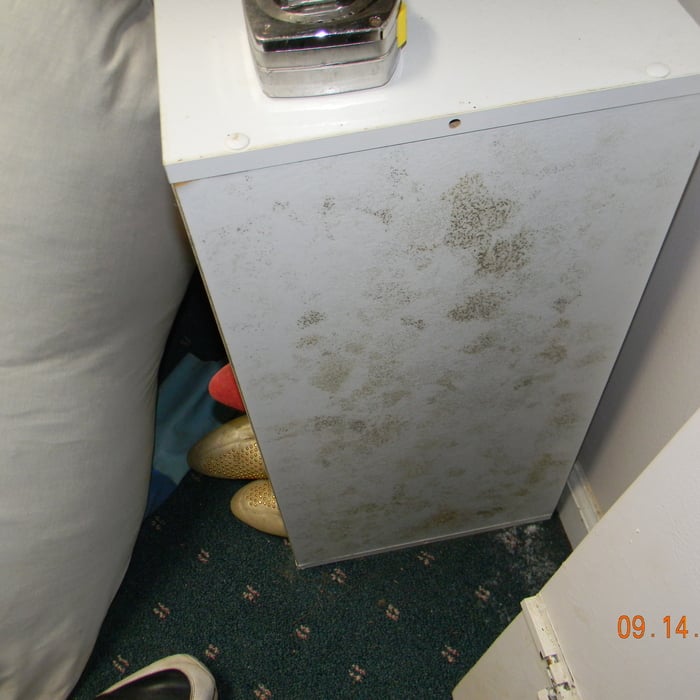
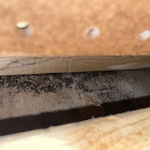
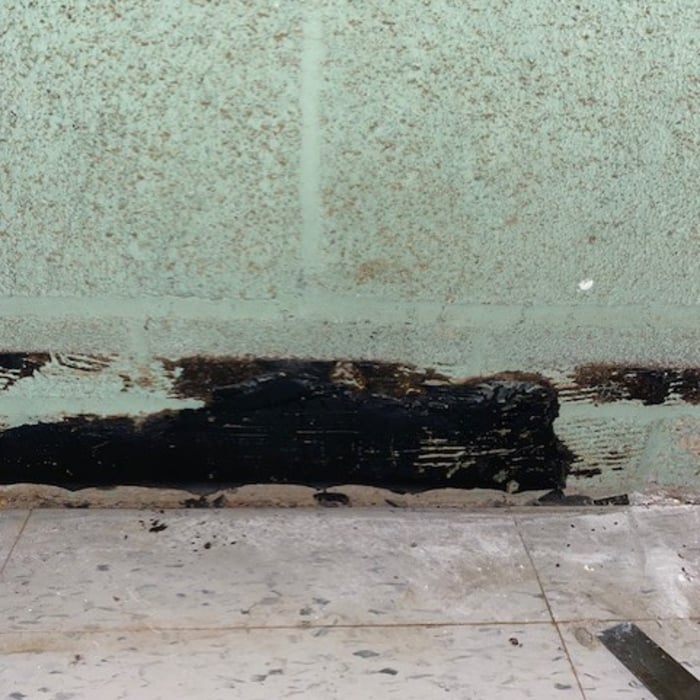
Black mold inside closet
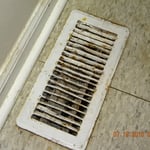
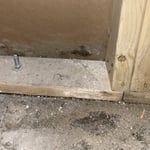
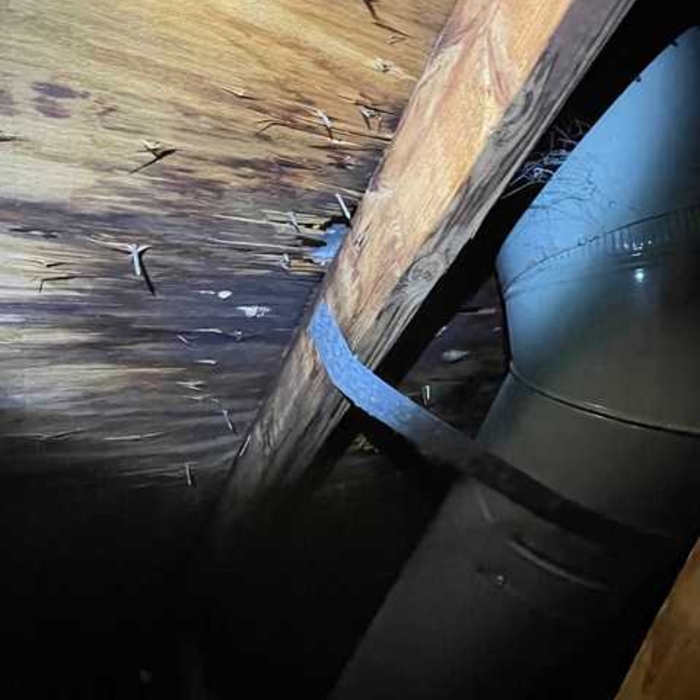
Mold growth in HVAC Closet
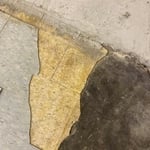
Asbestos Flooring
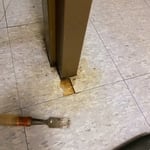
Floor sample collection
Asbestos Adhesive

+10

Response time4 hrs
Response rate96%
Recommended by73%of homeowners
...
Showing 1-10 of 61
Mold Testing and Remediation questions, answered by experts

It is generally not safe to live in a house with smoke damage, as even minor damage can pose long-term health hazards and structural risks. While it might seem safe temporarily depending on the severity, you should relocate if there is major damage or visible soot. Smoke smells and residue contain dangerous particulates and chemical compounds, including carcinogens, that are hazardous to breathe and can cause respiratory issues. These signs of damage are not always visible but can have dangerous short-term and long-term effects on your health, belongings, and your home's structural materials. You should not stay in the house until a trained professional from a smoke remediation or restoration company has assessed the damage and determined it is safe to return. Your insurance company may cover the cost of alternative housing while the professional work is completed.
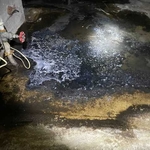
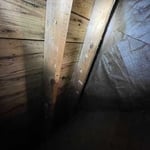
Mold in HVAC ducts is a relatively common issue that homeowners struggle with—especially in humid climates or homes with poor ventilation. Moisture from condensation, combined with dust and organic debris, creates the perfect environment for mold growth. Homes with high humidity, leaky ducts, or clogged drains are more prone to this issue. Regular inspections and proper HVAC maintenance significantly reduce the risk of mold developing in your ducts.

Yes, mold can build up in a dehumidifier if not properly emptied and clean. Clean it every few weeks by removing dirty water, scrubbing with a mild dish soap, and allowing it to fully dry before reassembling. 

Dog vomit slime mold is not toxic to humans, plants or pets. However, it can act as an allergen to people with allergies. Dog vomit slime mold is considered more of a cosmetic nuisance. However, it is beneficial to its ecosystem as it helps break down organic matter, releasing nutrients for plants.

Mold and other fungi love moisture, so the best way to prevent mold growth after water damage is to remove as much moisture as possible. First, find the source of the water or moisture, such as a leak or clogged gutters, and correct the problem. Next, remove standing water, vacuum up puddles with a shop vacuum, and run blower fans and dehumidifiers for 24 to 72 hours. Once you've removed all traces of moisture, disinfect the area using either vinegar or bleach to kill any remaining mold spores.

The Kimmswick, MO homeowners’ guide to mold testing and remediation services

From average costs to expert advice, get all the answers you need to get your job done.