

Top-rated mold testing and remediation specialists.

Best mold testing and remediation specialists near Pevely, MO

Enter your zip and get matched with up to 5 pros

Need a pro for your mold testing and remediation project in Pevely, MO?

Select your specific project to find the pro for you.

Top-Rated Mold testing and remediation specialists in Pevely - Updated Nov 2026

Avatar for Claro Complete Mold Remediation - St. Louis
Claro Complete Mold Remediation - St. Louis
4.8(
76
)
Toxicity and Mold - RemovalMold & Toxic Material Test - For BusinessToxicity and Mold - Removal - For Business

Serving Pevely, MO and surrounding areas

Approved

In business since 2006

Free estimates

Warranties offered

At Claro - Complete Mold Remediation - St. Louis, we believe a healthy home starts with the air you breathe. We help families and businesses find mold, fix it at the source, and feel at home again. We serve St. Louis, Clayton, Ladue, Kirkwood, Webster Groves, Creve Coeur, Chesterfield, Ballwin, St. Charles, O’Fallon and surrounding areas. Our services include mold inspection, lab-based mold and air testing with same-day assessments, whole-home and crawlspace mold remediation, water damage cleanup, and commercial mold remediation. \n\nEvery job follows a source-first process: containment, moisture correction, physical removal of contaminated materials, structural drying, and a whole-home dry fog treatment that reaches hidden spores in walls, vents and crawlspaces. We work directly with your insurance company and build every plan around your home and the people living in it.
4 neighbors recently requested a quote
Recommended by84%of homeowners
...
Showing 1-10 of 56
Mold Testing and Remediation FAQs, answered by experts

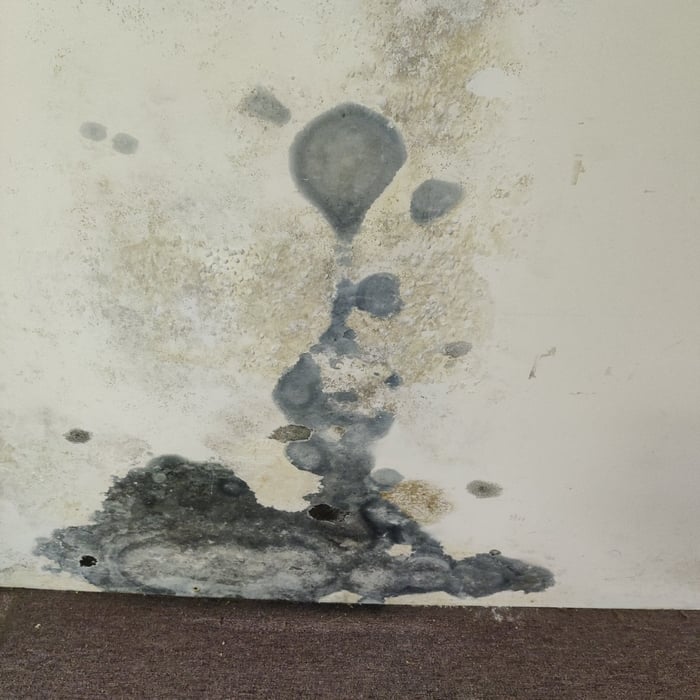
A funky smell is the first indicator that mold or mildew is present in your home. You may also notice that you or your household members are suffering from increased allergies or respiratory issues. You should check the most obvious areas first—like your bathroom or anywhere there might be leaks—and if you still can’t locate the source, look under the floorboards. 

According to the Environmental Protection Agency (EPA), hazardous waste is generally classified into four main categories:

1. Characteristic Wastes: These exhibit at least one of four hazardous traits: ignitability (flammable, like gasoline), corrosivity (can rust or decompose materials, like car batteries), reactivity (unstable and can explode, like aerosol cans), or toxicity (harmful when ingested, like lead-based paint).

2. Listed Wastes: These are specific wastes from manufacturing and industrial processes that the EPA has officially designated as hazardous. They include byproducts from processes that use solvents, pesticides, and other chemicals.

3. Universal Wastes: These are commonly generated hazardous items that are subject to streamlined regulations. Examples include batteries, pesticides, mercury-containing equipment (e.g., bulbs), and some lamps.

4. Mixed Wastes: This category includes waste that contains both hazardous and radioactive components, making it subject to regulation by both the EPA and the Nuclear Regulatory Commission.

Poor maintenance can cause some health concerns, although these are more common in commercial misters than residential versions. For example, stagnant water can become a breeding ground for bacteria, some of which can be dangerous to human health, especially when inhaled. Regular flushing of the system before seasonal use should prevent issues like these.

Otherwise, avoid using mosquito misters with pesticides or plant misters with fertilizers near humans. These misters are not designed for cooling sprays around decks or patios, but for more utilitarian purposes.

Yes, if installed correctly. Moisture barrier padding blocks dampness from reaching the padding core and subfloor, where mold loves to grow, especially in humid environments like basements. However, poor installation with gaps or loose seams can do the exact opposite, trapping moisture and creating mold problems. So, make sure to do your installation carefully or hire a professional.

Black mold and wood rot are both types of fungi that thrive in damp areas, but they are distinct issues with different consequences. Wood rot specifically refers to the decay of wood caused by fungi, which compromises the wood's structural integrity. Black mold, on the other hand, is a fungus that grows on the surface of materials, including both rotting and non-rotting wood. The primary difference is their impact: wood rot affects the wood's structure, while toxic black mold is a health hazard. Inhaling black mold spores can cause severe respiratory issues, whereas wood rot spores are generally not harmful to people. Because mold can grow on rotting wood, the two issues can be interconnected, but they are not the same.

The Pevely, MO homeowners’ guide to mold testing and remediation services

From average costs to expert advice, get all the answers you need to get your job done.