

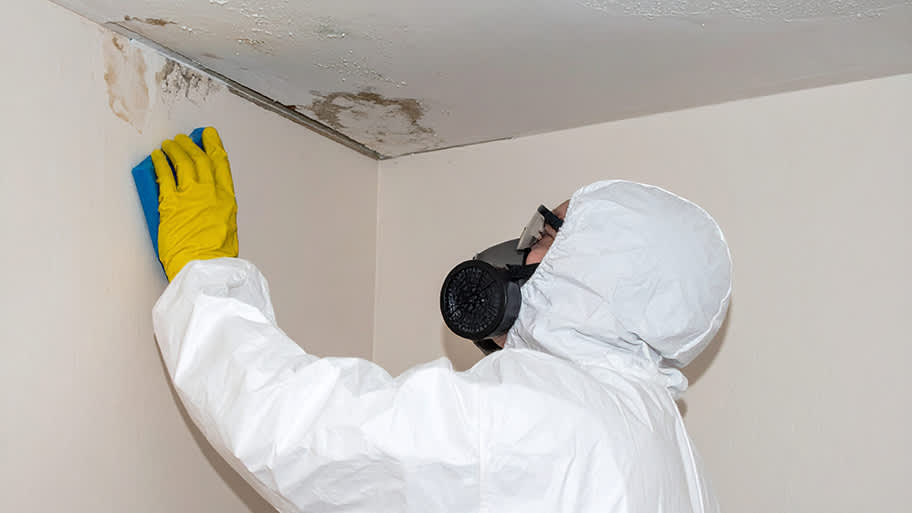
Mold remediation cost can quickly escalate. But if you have mold in your home, the cost for mold remediation is worth it.
Mold testing and remediation costs depend on your project and location. Check with a local pro for your specific job.

You can expect to pay $303 to $1,075 for a mold inspection, with an average of $689.
Your home size and how easy it is to reach suspect areas drive inspection time and labor.
You should budget for lab testing fees and additional sample collection if mold is found in multiple areas of your home.
Hiring a local black mold inspection professional detects hidden mold and moisture issues and keeps your household safe from respiratory problems.
In 2026, the national average cost of a mold inspection is $689, based on 7,940 verified projects from Angi Pros. Most homeowners pay between $303 and $1,075, with home size, accessibility of suspect areas, and the number of samples needed being the primary cost drivers. For homes under 4,000 square feet, expect to pay between $300 and $400; larger homes typically run between $700 and $1,000.
A mold inspection is when a professional examines areas of your home to confirm or rule out the presence of mold. The inspection doesn't include treatment. There's a difference between mold inspection, mold testing, and mold remediation. Your contractor can't perform remediation unless they determine the extent of your mold issue and what type of mold they're dealing with.
A mold test costs $250 to $500 and involves taking air and surface samples to find the mold species and number of spores. This helps your pro develop a remediation plan to remove the mold. For most homeowners, mold remediation costs $1,150 to $3,400—but it could cost as much as $20,000 for extensive cases.
Booking a professional mold inspection is the first step in dealing with potential mold growth. Your technician will use various tools, including moisture meters and specialized cameras, to determine the likelihood of mold growth in your home. The inspection can also tell you the likelihood of future mold problems if none currently exist. An inspection only determines whether mold is present. If so, professional testing is the next step.
Mold testing involves far more than a simple inspection. Mold testing often requires both on-location and lab testing to achieve the best results. Testing involves taking samples of existing mold growth and analyzing them to determine the type of mold, taking air samples to help determine the severity of the situation, and determining the extent of the problem. The goal of mold testing is to establish a game plan for how to proceed with mold remediation.
Mold remediation is more than simply removing the mold growth from your home. Remediation encompasses removal, treating, and eliminating the sources of the infestation. Remediation doesn't completely remove all mold and mold spores from the home. Instead, it focuses on eliminating a potentially dangerous amount of mold and establishing normal levels.
Mold remediation also includes repairing or eliminating moisture sources, creating a plan to minimize the likelihood of mold returning, and implementing the plan.
If you can smell the odor and you can’t see it, usually that is a sign of something more serious. Mold can hide behind your walls and floors and will require a professional mold remediation company to run indoor air quality tests.

A higher-priced mold inspection is often justified because mold hides in dark corners, cracks, and crevices that aren't visible to the naked eye. A professional mold inspector has the tools and training to conduct a thorough examination even when no mold is visible. The following factors impact your total inspection cost.
Home size is one of the primary drivers of mold inspection cost because many businesses charge by the hour, meaning more square footage directly raises your bill. In some cases, only a single area, like a basement or attic, needs inspection due to obvious water damage. When an inspector must examine the entire home, labor time and total cost increase significantly.
Hard-to-reach areas cost more to inspect, and removing drywall or tile to access a suspect area can add extra charges to your bill. A basic inspection of obvious spots can take as little as two hours, while a thorough check of inaccessible areas can take as long as six hours. Use the accessibility level of your suspected mold areas to estimate where your inspection cost will fall.
High accessibility and visibility: Bathroom walls, kitchen walls, exposed foundation walls
Medium accessibility and visibility: Windows, window sills, fireplaces, chimneys, enclosed attic spaces near the roof
Low accessibility and visibility: Air ducts and vents, crawl spaces, wall cavities (particularly areas between the drywall and foundation)
If you have mold in different parts of your home, an inspector will have to take numerous samples. They also do this to differentiate between types (think: white mold vs. black mold, which is notoriously dangerous). Some mold inspection businesses require a minimum number of samples.
The type of mold sample collected is a key cost driver: fees cover both sample collection and lab testing, and some companies charge a premium when black mold is suspected because of the additional protective equipment required. A swab test runs $200 to $300 and captures surface samples from a single visible or suspected area. An air test costs $250 to $350 but can reach $700 for extensive testing, while an HVAC test adds $50 to $75 to check whether mold has infiltrated your ventilation system.
Lab testing determines whether you're dealing with toxic mold and helps your contractor develop an effective remediation plan, with both stain and culture tests charged in addition to sample collection fees. A stain test costs an additional $150 and works by treating collected samples with a stain that makes spores visible under a microscope for analysis by a technician. A mold culture test costs an extra $50 and monitors how a mold sample grows in a controlled environment—rapid growth signals the need for immediate remediation.
Mold inspection costs range from $303 to $1,075 across all mold types, but the specific mold present can push costs higher. Toxic molds like black mold require a more specific and expedited inspection process, which increases the overall cost. If you suspect black mold, hire a black mold inspection specialist near you.
Mold inspection costs more when you're dealing with black mold (Stachybotrys Chartarum) or molds that are particularly difficult to identify. Here’s what you can expect to spend on a mold inspection based on the mold type:
| Mold Type | Cost of Inspection in 2026 |
|---|---|
| Aureobasidium | $450–$550 |
| Stachybotrys Chartarum | $600–$800+ |
| Ulocladium | $500–$600 |
| Alternaria | $450–$550 |
| Chaetomium | $450–$550 |
| Penicillium | $500–$600 |
| Serpula Lacrymans | $500–$600 |
| Trichoderma | $500–$600 |
| Cladosporium | $450–$550 |
| Fusarium | $600–$800 |
| Aspergillus | $450–$550+ |
Alternaria mold includes 40 different varieties that are typically found outside in the spring and summer. These spores are most often responsible for plant damage but can also work their way into carpets, basements, attics, and showers.
This mold typically grows on painted surfaces, hard surfaces, and behind wallpaper. It often looks pink as it matures and can cause allergies.
This type of mold can be very dangerous to humans. In addition to allergy symptoms, it can cause a nail or skin infection. In rare cases, it’s been linked to brain infections, and certain species are considered carcinogenic. This mold starts out as a white fuzz but turns blue-green.
This is another type of mold included in a basic inspection. It most often hangs out in basements and HVAC systems, where it aggressively grows. It causes allergy symptoms in those affected by mold allergies.
This mold includes 250 different mold varieties that start out as a white fuzz and eventually turn black, brown, green, or yellow. Aspergillus thrives in lower humidity compared to most molds but can cause the respiratory illness Aspergillosis, so remediation is important. Since it’s sometimes difficult to find, costs can rise.
This is another blue-green mold that’s often quickly identified. It tends to crop up in areas with water damage and can cause an allergic reaction.
This type of mold grows rapidly in wood, plants, and soil. In your home, you’ll find it on anything that has a high cellulose content (like fabric) or in your HVAC system.
This dark-colored mold often crops up around windows and doors or in kitchens and basements—basically wherever there’s dampness and condensation. It’s often confused for black mold, but typically only causes allergies.
Serpula Lacrymans is a fast-spreading mold often responsible for dry rot in wood—exactly the kind of thing you don’t want to get in your walls. You’ll also find it in masonry, plaster, and dry mortar.
In humans, fusarium can cause a localized infection (typically in the nails or cornea) or a systemic infection (once it gets into the bloodstream). Most often, Fusarium is the result of a water leak.
This is what’s commonly called black mold—a dangerous, fast-growing mold that causes respiratory problems, infections, and neurological issues. Black mold requires immediate removal. You’ll need to hire a black mold specialist—and costs could rise depending on your home.
Mold is easier to remove when it isn’t widespread, so catching it early is key. Here are situations that warrant a mold inspection—whether you see mold or not.
After Water Damage or Flooding: Moisture leads to mold. If your home experienced water damage, there’s a chance mold moved in—especially in areas without access to proper ventilation, like behind latex paint and inside walls or ceilings.
Buying or Selling a Home: Though there’s no federal law against selling a house with mold, a mold infestation can impact the value of your home. Before you buy or sell a home, get a mold inspection to make sure an expensive problem isn’t hiding in your walls.
Ceiling or Wall Damage or Warping: If you notice any damage or warping along your ceiling and walls, mold could be the culprit. Certain types of mold feed on wood and drywall and can cause serious issues if unmitigated.

In the early stages, you may not notice any visible signs of a mold problem. Mold spores are microscopic, but rest assured, the problem usually grows and eventually shows itself. Here are red flags:
Visible mold
Discolored surfaces (unusual black, white, or pastel-colored stains)
Persistent cough
Unexplained allergy symptoms
Musty odor
Warped walls or ceilings
Cracked paint
Rust
Water damage
If you see—or feel—any signs of mold, it’s time to call a mold inspector near you.
Hiring a local mold inspection pro may cost more upfront, but it ensures a thorough, accurate assessment of your home’s air quality and potential mold problems. Professionals have the tools, training, and expertise to detect hidden mold and moisture issues, helping you prevent health risks and costly damage.
Mold inspection is a specialized project that requires technical knowledge and safety precautions. Here are some of the top reasons to work with a pro:
Mold inspectors can identify hidden mold, moisture sources, and areas at high risk for growth.
They use professional testing equipment, such as moisture meters and air sampling devices, to provide accurate results.
Working with a pro ensures you receive a detailed report and recommendations for remediation if needed.
Professionals help pinpoint problems before they become extensive, saving time and repair costs.
Bundling mold inspection with remediation or water damage restoration can provide a comprehensive solution.
If you want to take on some prep work yourself, these tasks can help reduce inspection time and costs:
Clear furniture, clutter, and personal items from areas where inspection will occur.
Note any visible mold, musty odors, or water leaks to share with the inspector.
Ensure easy access to attics, basements, crawl spaces, and utility areas.
Take photos or document problem areas to provide additional context for the inspector.
Be ready to discuss with a pro what type of material your wallpaper is made of, as that may affect the tools they need.
If there is room left in your budget, ask your pro about add-ons like wall repair, painting, or resurfacing.
Be prepared for unexpected costs, such as damage repair or material price increases, that may arise during the removal process.
Home is the most important place on earth, which is why Angi has helped more than 150 million homeowners transform their houses into homes they adore. To help homeowners with their next project, Angi provides readers with the most accurate cost data and upholds strict editorial standards. We’ve surveyed thousands of real Angi customers about their project costs to develop the pricing data you see, so you can make the best decisions for you and your home. We pair this data with research from reputable sources, including the U.S. Bureau of Labor Statistics, academic journals, market studies, and interviews with industry experts—all to ensure our prices reflect real-world projects.
Want to help us improve our cost data? Send us a recent project quote to [email protected]. Quotes and personal information will not be shared publicly.
This service was great. My air conditioner went out during the heat spell that we had. My husband has health issues and they came out that night and at 9:30pm the air conditioner was fixed and running. We are sooo very thankful, this is the company I will be using from now on and would...
 Mr. Mechanical Ohio
I would recommend this company to anyone! He showed up on time, was friendly, completed a very difficult repair on our dryer vent cover, was responsive, and pricing was extremely fair and competitive. I would have him back to do any of our repairs or cleanings without hesitation!
 U.S.A. Dryer Vent, LLC
The technician was very professional and friendly. He answered all my questions and was very thorough. He left the fireplace area very clean . He inspected from the roof and advised me as to other work that might need to be done. There was no pressure there. I was very satisfied with the...
 Supreme brick & chimney
Ace Fireplace Services came to the rescue for my chimney repair. They were quick to pinpoint the issue and worked their magic to fix it. My chimney is now in excellent shape, and I'm a satisfied customer.
 Ace Fireplace Services
Professionalism, quality, and affordability - Custom Paint Jobs LLC checks all the boxes.
 Custom Paint Jobs, LLC
On time, clean and finished fast. Windows seem sturdy and the finish is good. Caulking was done with no smudges. Would recommend.
 Window Depot USA of Central Ohio
Great job...edging and pre clean up went well with a great job with seal coat. Friendly, efficient and professional.
 All Star Paving and Sealing
Scott did not get appropriate access to the property prior to the scheduled inspection which required us to come back later in the day to complete it. He also, unprofessionally, knocked on a neighbor?s door in his attempts to reach someone with access. His overall report was fine though the...
 Security First Home Inspections
Did a great job replacing the ice maker and water regulator on my refrigerator. He was quick and thorough, very friendly and professional. If I needed a heart transplant I'd want him to do it!!!
Scott checked our large crawl space for mold and water infiltration and recommended a viable solution. The crew was efficient and they cleaned up well after the job. The job was expensive but I am confident that I won't have to deal with the problem again. Highly recommend.
 AdvantaClean of Dublin
From average costs to expert advice, get all the answers you need to get your job done.
Mold remediation cost can quickly escalate. But if you have mold in your home, the cost for mold remediation is worth it.
Find out how much it costs to install crown molding by type and size. Use our expert guide to figure out how much crown molding you need, how much crown molding costs near you, and whether you need to hire a pro.
Discover how much it costs to remove crown molding based on factors like its size, location in your home, material, and more.
A mold inspection is your first line of defense against a mold problem. Here’s what to expect from your visit and how to prepare.
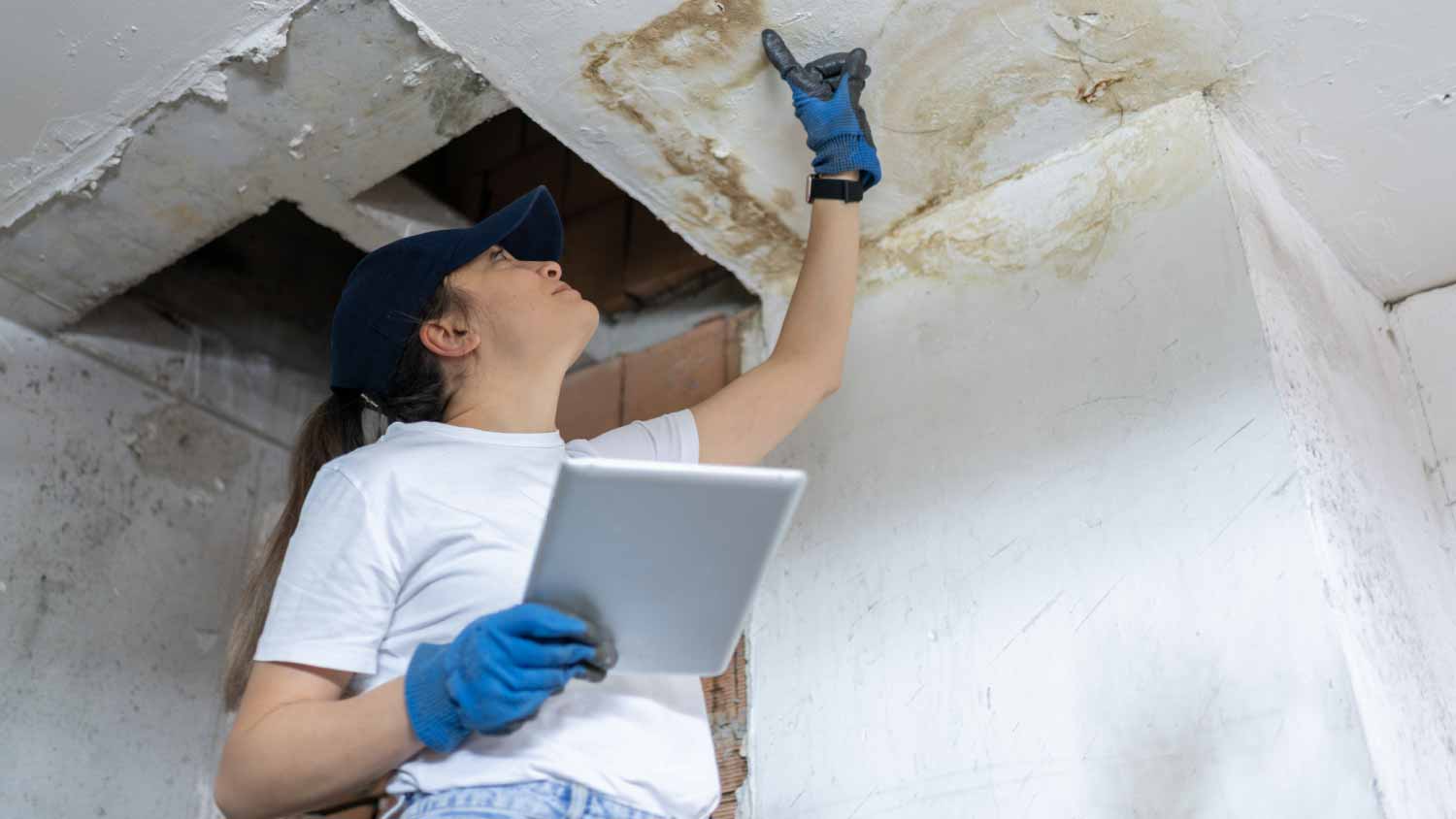
If you suspect mold in your home, or even outside, you need to hire the right pro to confirm its presence. Learn who to call for mold inspections to keep your home fresh.
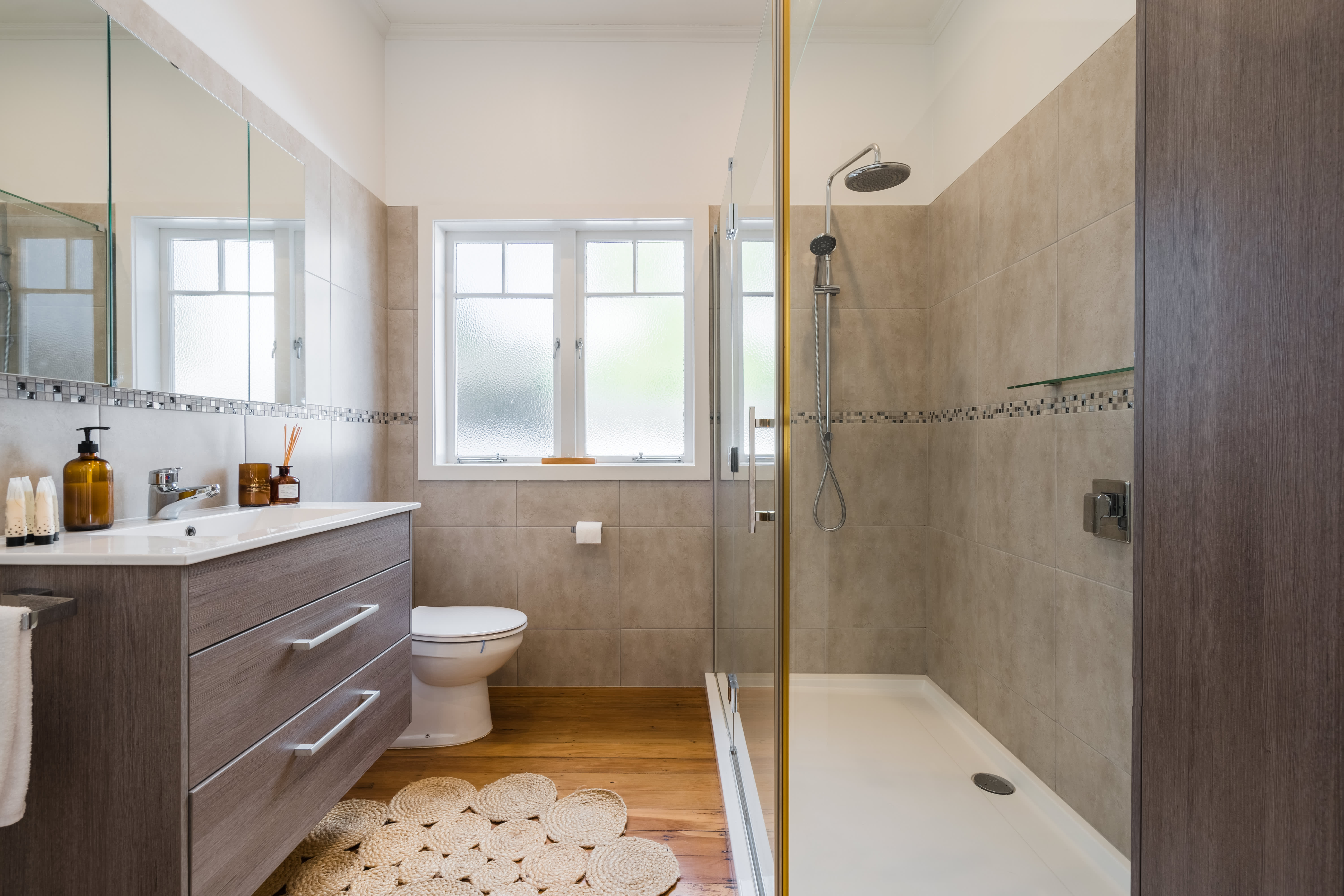
Noticing a musty smell or dark spots on your walls? Learn about mold inspection or testing costs, warning signs, and how to hire the right local pro.