




Top-rated bird control service pros.

Get matched with top bird control service pros in Traverse City, MI

Enter your zip and get matched with up to 5 pros

Need a pro for your bird control service project in Traverse City, MI?

Select your specific project to find the pro for you.

TRUSTED BY TRAVERSE CITY, MI HOMEOWNERS

  • Average homeowner rating star icon4.7
    Average homeowner rating
  • Verified reviews icon69
    Verified bird control services reviews

Find Bird control service pros in Traverse City

Bird Control questions, answered by experts

You can take multiple approaches to keep animals out of your edible landscape. You can use natural repellents such as mint and cayenne pepper to deter them from your garden. You can also build a fence (or opt for a privet hedge) or keep the most enticing plants in a sectioned-off area. The most efficient method of keeping your four-legged guests at bay is to determine what animal it is and create a customized plan for them. 

Natural swimming pools are designed to deter pests, including mosquitoes. While any body of water can potentially attract pests, the natural filtration system keeps the water clean and constantly moving. Mosquitoes specifically are attracted to standing water, so the continuously circulating water in a natural pool makes it an inhospitable environment for them.

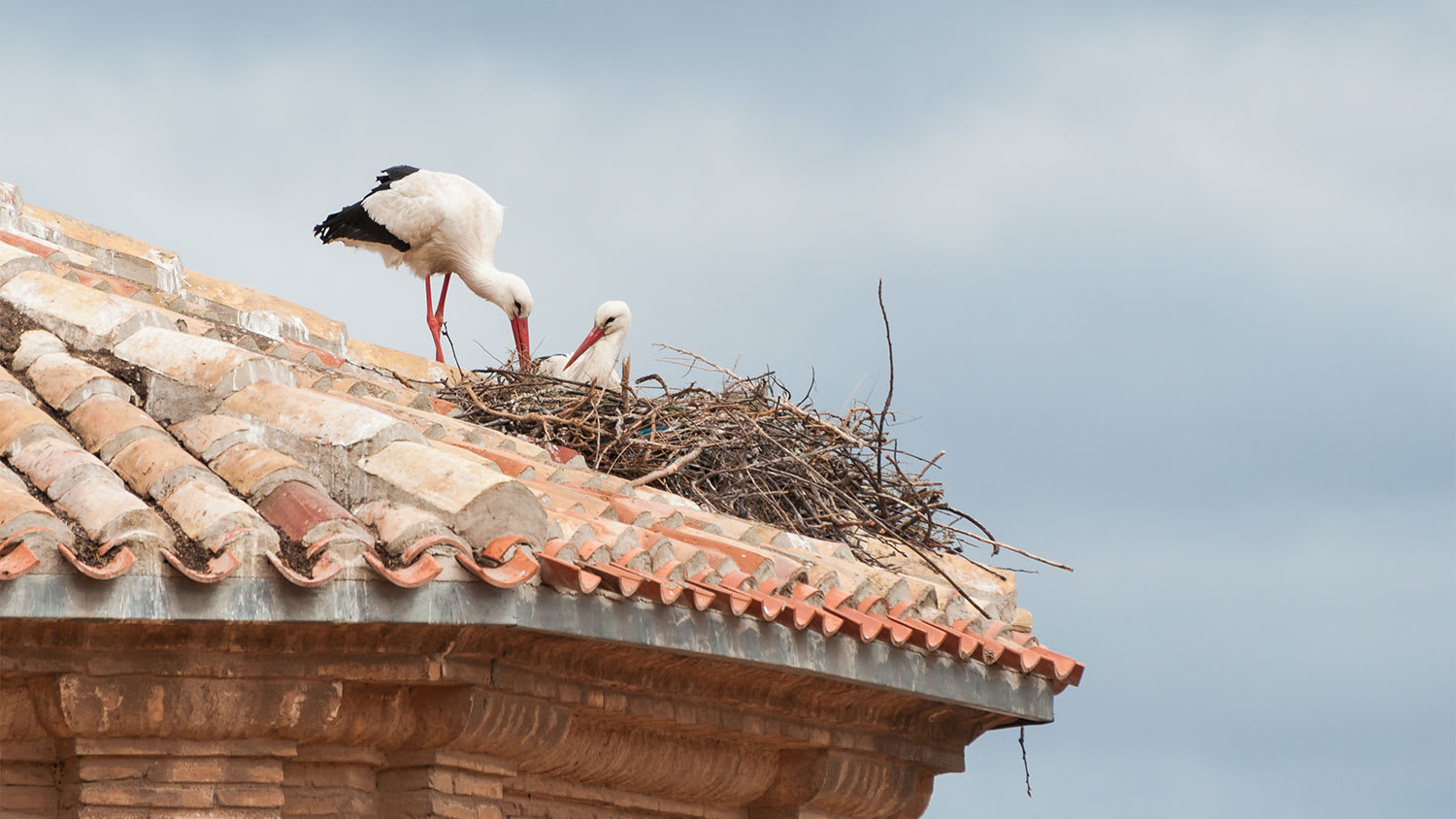
It's advisable to avoid using harmful methods to eliminate birds. Poisoning birds is inhumane and can have unintended ecological consequences, affecting other wildlife and pets. Similarly, using firearms or other lethal means poses safety risks and could be illegal in many areas. Sticky substances like adhesives can cause birds to become trapped and injured. Lastly, playing excessively loud or distressing noises can stress birds and humans. Focusing on humane and environmentally responsible strategies is essential when dealing with bird issues.

Professional pest control services for birds and bats prevent property damage, preserve health standards by avoiding the buildup of droppings, and ensure humane removal and prevention techniques.

When woodpeckers start banging on your walls or roof, they are probably looking for insects to eat, storing nuts for winter, drilling a hole to make a nest, or communicating with other birds to establish territory or find a mate.

The size of the hole can help determine the reason for the pecking. Small irregular holes are a result of insect hunts. Acorn holes are more consistently sized and often fitted with a nut in the middle. Nest holes are large and have rounded edges. If the bird is pecking to mark its territory or attract a mate, it may leave dents rather than holes, and the noise will stop when the mating season starts in spring.

The Traverse City, MI homeowners’ guide to bird control services

From average costs to expert advice, get all the answers you need to get your job done.