







Top-rated deck maintenance specialists.

Get matched with top deck maintenance specialists in Traverse City, MI

Enter your zip and get matched with up to 5 pros

Need a pro for your deck maintenance project in Traverse City, MI?

Select your specific project to find the pro for you.

TRUSTED BY TRAVERSE CITY, MI HOMEOWNERS

  • Average homeowner rating star icon4.3
    Average homeowner rating
  • Verified reviews icon36
    Verified deck maintenance services reviews

Find Deck maintenance specialists in Traverse City

Avatar for Liquid Roofing and Construction
Liquid Roofing and Construction
4.5(
15
)
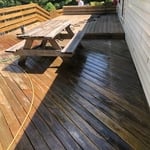
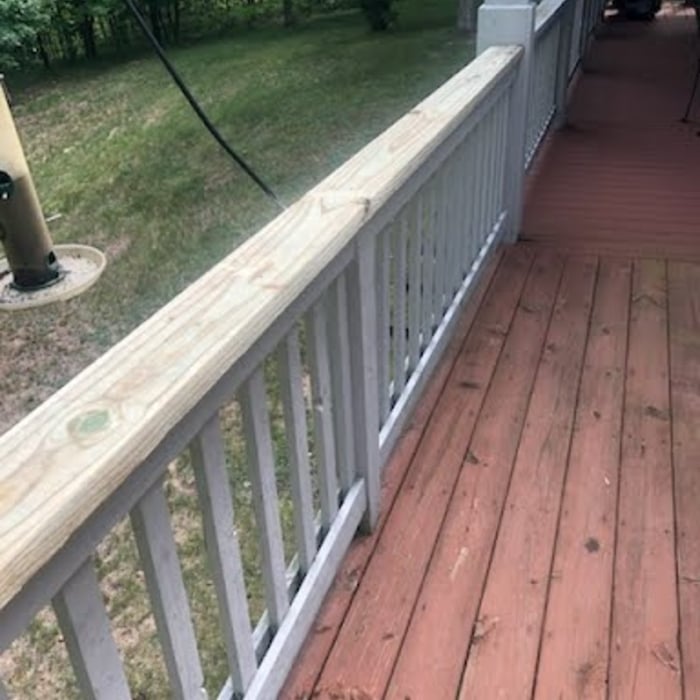
Deck, Fence, Patio or Porch - Clean and SealDeck, Fence, Patio or Porch - Clean and Seal - For Business

Serving Traverse City, MI and surrounding areas

In business since 2004

Free estimates

Emergency services offered

"I hired them to re-roof my home and in conversation I mentioned I need to have my asphalt driveway sealed, not even knowing they do this work too. They asked me if they could bid on the driveway project too. This all happened in a short timeframe and I was very impressed by their timeliness and quality of work. The owner came and inspected the roof after completion and asked me to look at it with him. We climbed up the ladder and he explained everything and answered my questions. I was thoroughly impressed and want to hire them again for additional work this summer."
Additional Photos
Additional Photos
Additional Photos
Additional Photos
Additional Photos

+51

Recommended by100%of homeowners
...
Showing 1-10 of 58
Deck Maintenance questions, answered by experts

Ideally, a gate should be able to swing both in and out. However, if it can only open in one direction, it is generally best for it to swing inward. This is often the safest option, especially for deck gates near steps, as you'll want the gate to swing away from the stairs. An inward swing also prevents the gate from opening into a public space, like a sidewalk, and can be more convenient when carrying heavy items like a wheelbarrow into a garden.
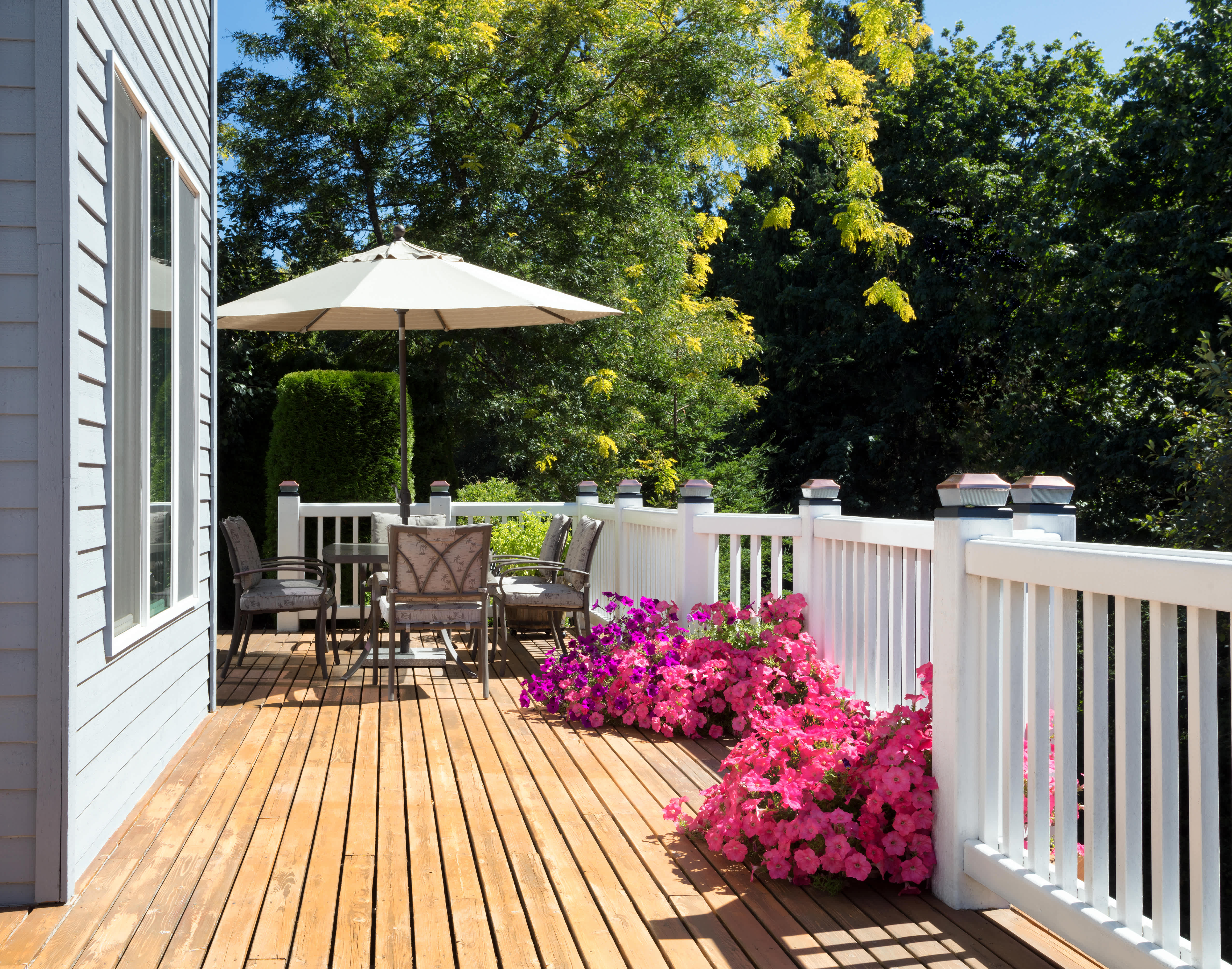
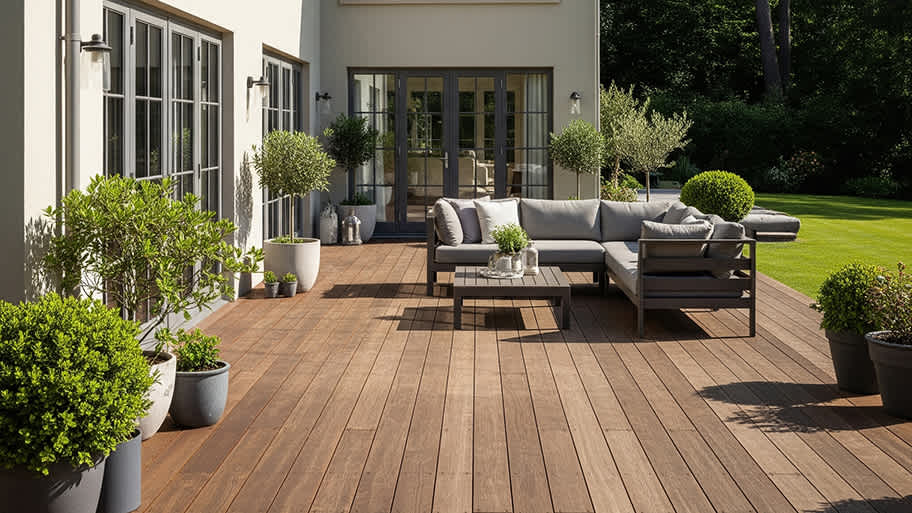
There are exceptions, however. The layout of your property may require a different approach. For example, if your property is on a slope, the gate may not be able to swing inward. You should also ensure the gate can open fully without colliding with any objects or blocking access to other areas. For a backyard garden gate where public access isn't a concern, the direction it swings is largely a matter of personal preference. Finally, always check your local building codes, as they may have specific requirements for which way a gate must swing.

As with patios, there are many types of deck choices to choose from to add personalization to your home. Some common deck options include:

  • Attached decks are anchored to the home and include simple ground-level options or multi-level structures with stairways and separate landings. 

  • Detached island decks are not attached to the home; they’re a freestanding structure in the yard. 

  • Wraparound decks connect the back of the house with at least one other side and often are built with railings for safety. 

  • Multi-level decks connect your deck through varying levels of elevation, featuring landings that are attached to stairs.

Decks are generally more expensive to build because they require elevating and railings. The difference between decks and patios is that decks are elevated, while patios are usually on the ground level. Plus, decks are usually made of wood and need more maintenance than most patios. However, decks and patios serve the same purpose, providing outdoor space for you to enjoy.

Pressure-treated wood contains preservatives that give the material internal protection from rot and pests. Untreated lumber won’t last more than a few years unless you choose a more expensive wood, like cedar, that naturally stands up well to moisture. Composite decking can outlast wood but is more expensive and doesn’t look as natural. Keep in mind that you’ll need to seal any exterior wood product to protect it from the elements and other forms of external damage.

In most cases, your deck will need some form of deck footing to hold it in place, preventing moisture from rotting your wood and decreasing your deck’s lifespan. Concrete deck blocks are the most common type of footing for floating decks. Some homeowners use ground-level deck footings. For added security, consider digging and laying your ground-level footings below ground.

The Traverse City, MI homeowners’ guide to deck maintenance services

From average costs to expert advice, get all the answers you need to get your job done.