









Top-rated bird control service pros.

Best bird control service pros near Copemish, MI

Enter your zip and get matched with up to 5 pros

Need a pro for your bird control service project in Copemish, MI?

Select your specific project to find the pro for you.

TRUSTED BY COPEMISH, MI HOMEOWNERS

  • Average homeowner rating star icon4.9
    Average homeowner rating
  • Verified reviews icon14
    Verified bird control services reviews

Top-Rated Bird control service pros in Copemish - Updated Nov 2026

Bird Control FAQs, answered by experts

Rabbits face a range of formidable adversaries in rural and suburban areas. Natural predators such as hawks, foxes, bobcats, raccoons, coyotes, and weasels pose significant threats to their survival. These skilled hunters target bunnies for food, contributing to regulating rabbit populations. Outdoor housepets can be enemies, too, particularly dogs and cats. And loud little humans playing in your yard make great rabbit deterrents, too.

When woodpeckers start banging on your walls or roof, they are probably looking for insects to eat, storing nuts for winter, drilling a hole to make a nest, or communicating with other birds to establish territory or find a mate.

The size of the hole can help determine the reason for the pecking. Small irregular holes are a result of insect hunts. Acorn holes are more consistently sized and often fitted with a nut in the middle. Nest holes are large and have rounded edges. If the bird is pecking to mark its territory or attract a mate, it may leave dents rather than holes, and the noise will stop when the mating season starts in spring.

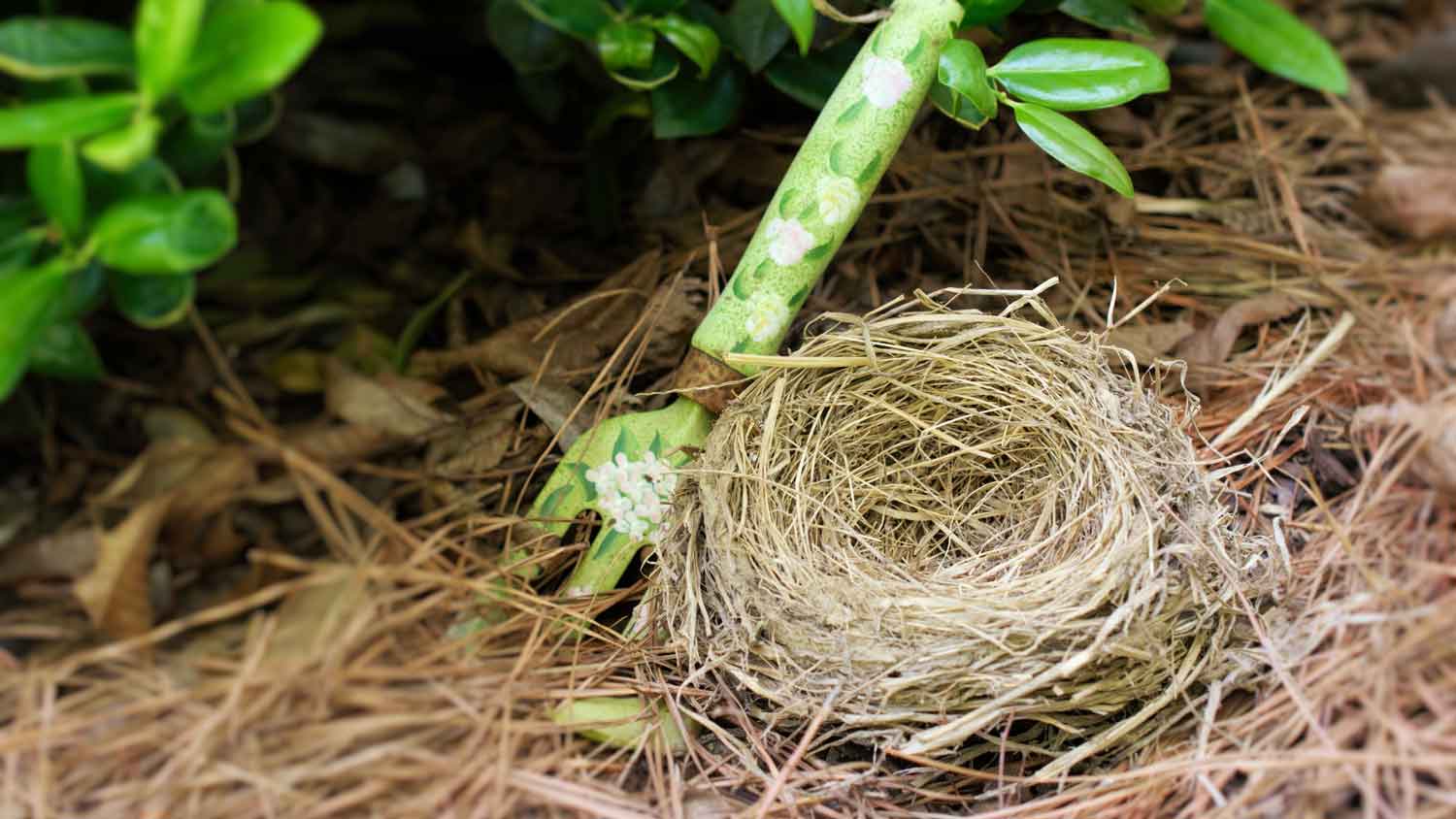
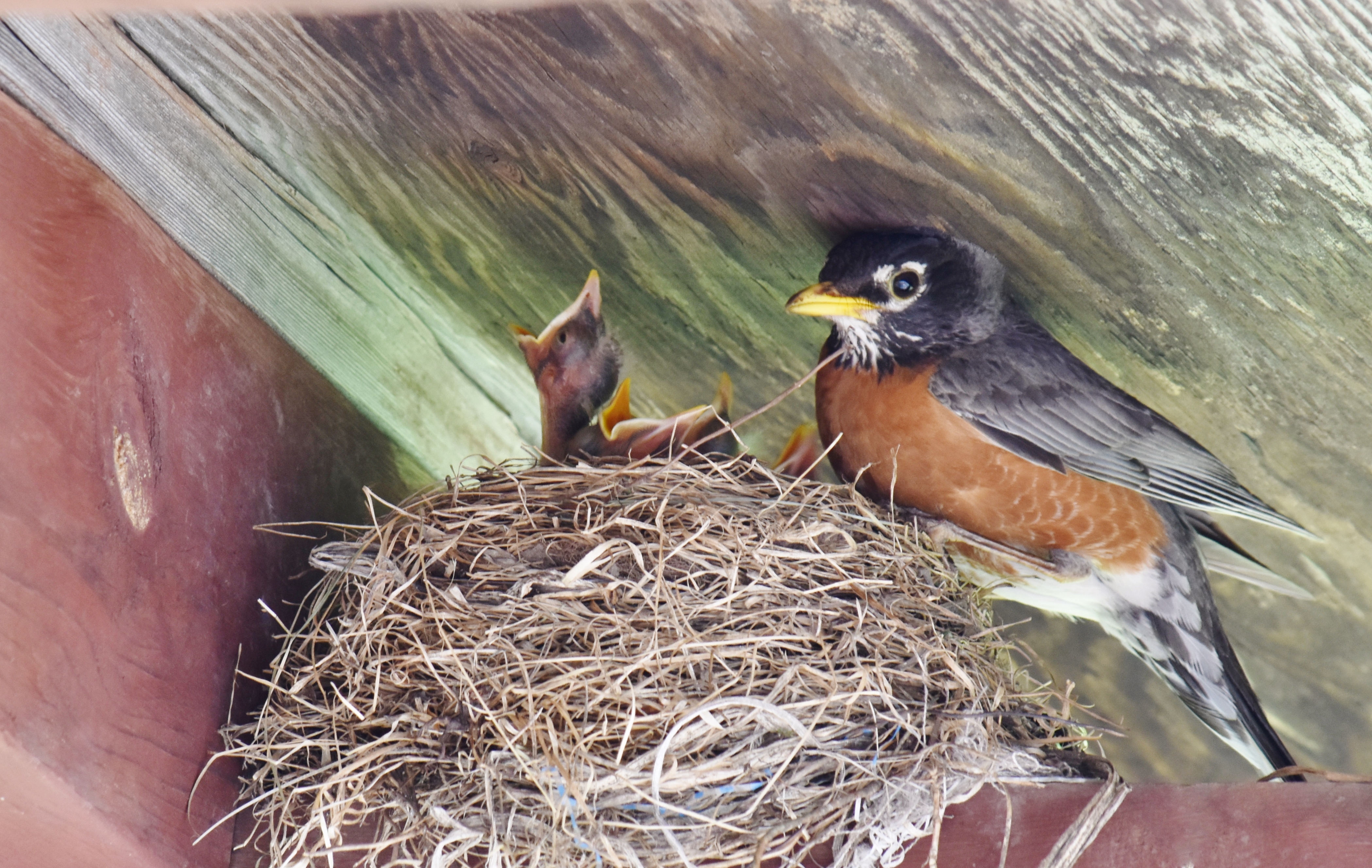
The lifespan of a bird's nest depends on the species. The building process can take from two days to three weeks. Once built, the nesting period for baby birds can last from two to ten weeks before they leave the nest. While most young birds are ready in two to six weeks, some predatory species may need up to two and a half months. Some species nest four to five times per year, so a nest could remain in use for several months. For specific information about a particular nest's longevity, it is best to consult a wildlife professional.

It can be difficult to know what type of animal is in your attic until you see it. But several clues can help you narrow down the suspects:

  • Sounds: Smaller animals like rats and mice make scurrying and tapping/gnawing sounds. Larger animals like raccoons and opossums make louder clambering noises. Also, note when animals are noisy: Squirrels are active during the day, while rats are busiest at night.

  • Droppings: Rats and mice leave small, rice-shaped droppings (the rat’s version is significantly larger). Bigger droppings belong to larger critters like raccoons. As long as you’re not squeamish, an image search can help you identify what you’re seeing in your attic.

When in doubt, take photos of damage or other evidence and show them to an experienced pest control pro.

When it comes to keeping birds from doing their business on your porch rails, you have several DIY options and home remedies you can try: 

  • Tie a fishing line from one end of the deck post to the other. Birds won’t be able to see the line across the railing, so they can’t land on it.  

  • Hang wind chimes close by, which may scare birds away. 

  • Apply a bird gel repellent to the railings, which contains smells that birds generally don’t like. Or, similarly, you can apply citronella or lemon oil around the railings, since birds don’t like strong smells.

The Copemish, MI homeowners’ guide to bird control services

From average costs to expert advice, get all the answers you need to get your job done.