







Top-rated bird control service pros.

Get matched with top bird control service pros in Frankfort, MI

Enter your zip and get matched with up to 5 pros

Need a pro for your bird control service project in Frankfort, MI?

Select your specific project to find the pro for you.

Find Bird control service pros in Frankfort

Bird Control questions, answered by experts

Pest control timelines depend on what services are being provided, size and type of infestation, and size of your home. Some inspections can take an hour or more, while preventative treatments only take 30 minutes to complete. Basic spaying for a problem like roaches or termites can take about an hour for small homes, but much longer for large properties and infestations. Consult your pest control pro for a time estimate based on your situation.

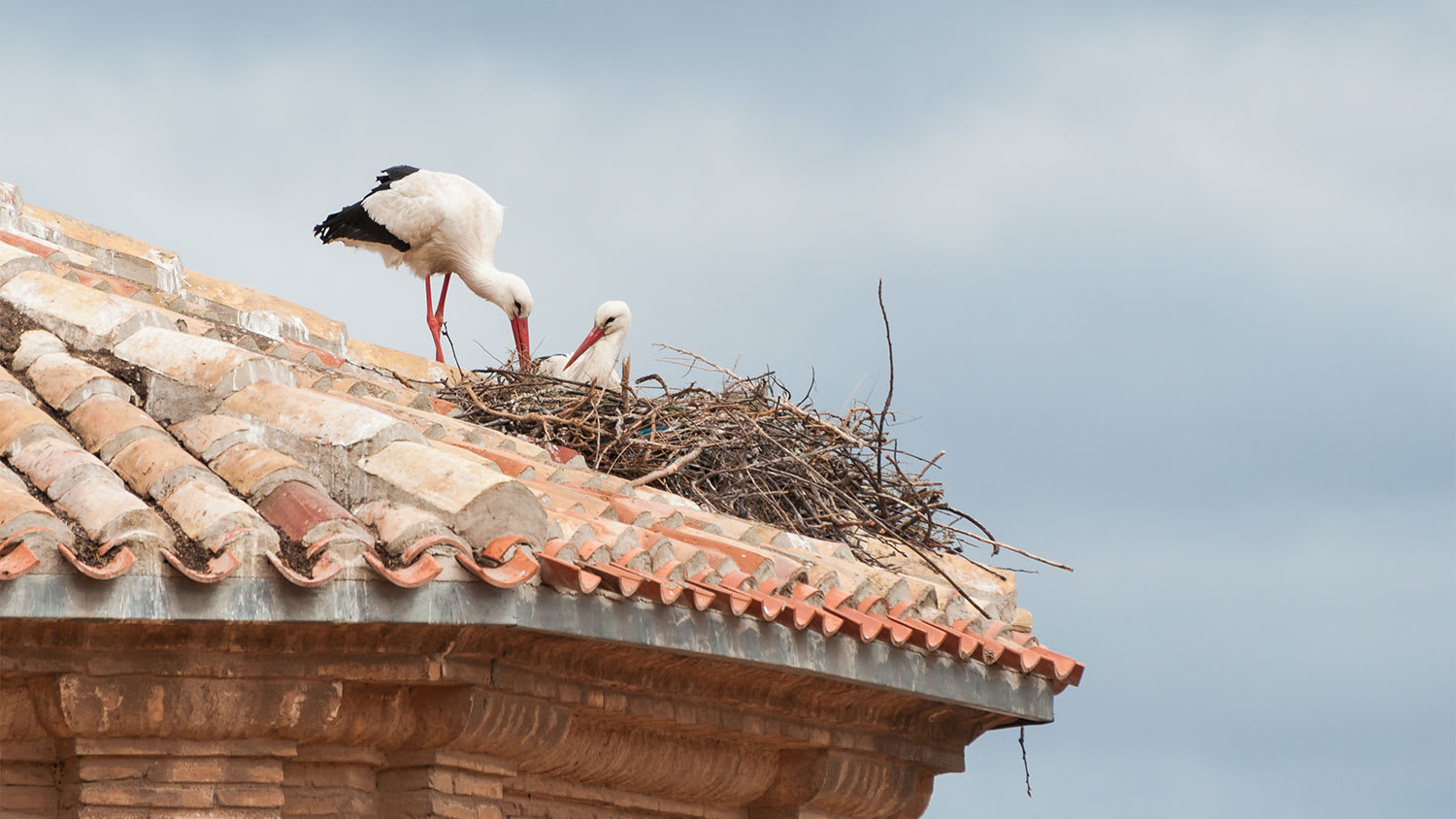
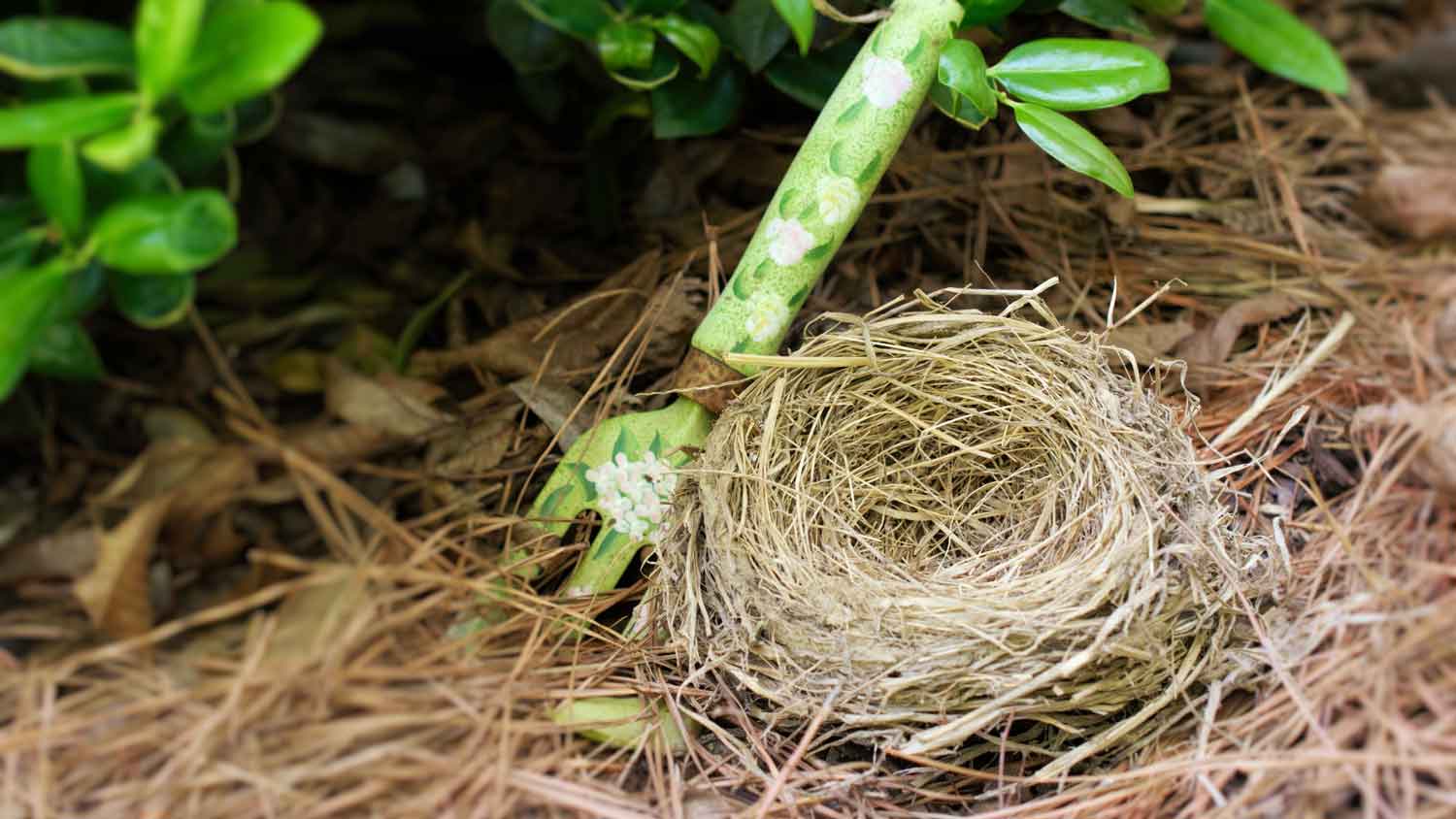
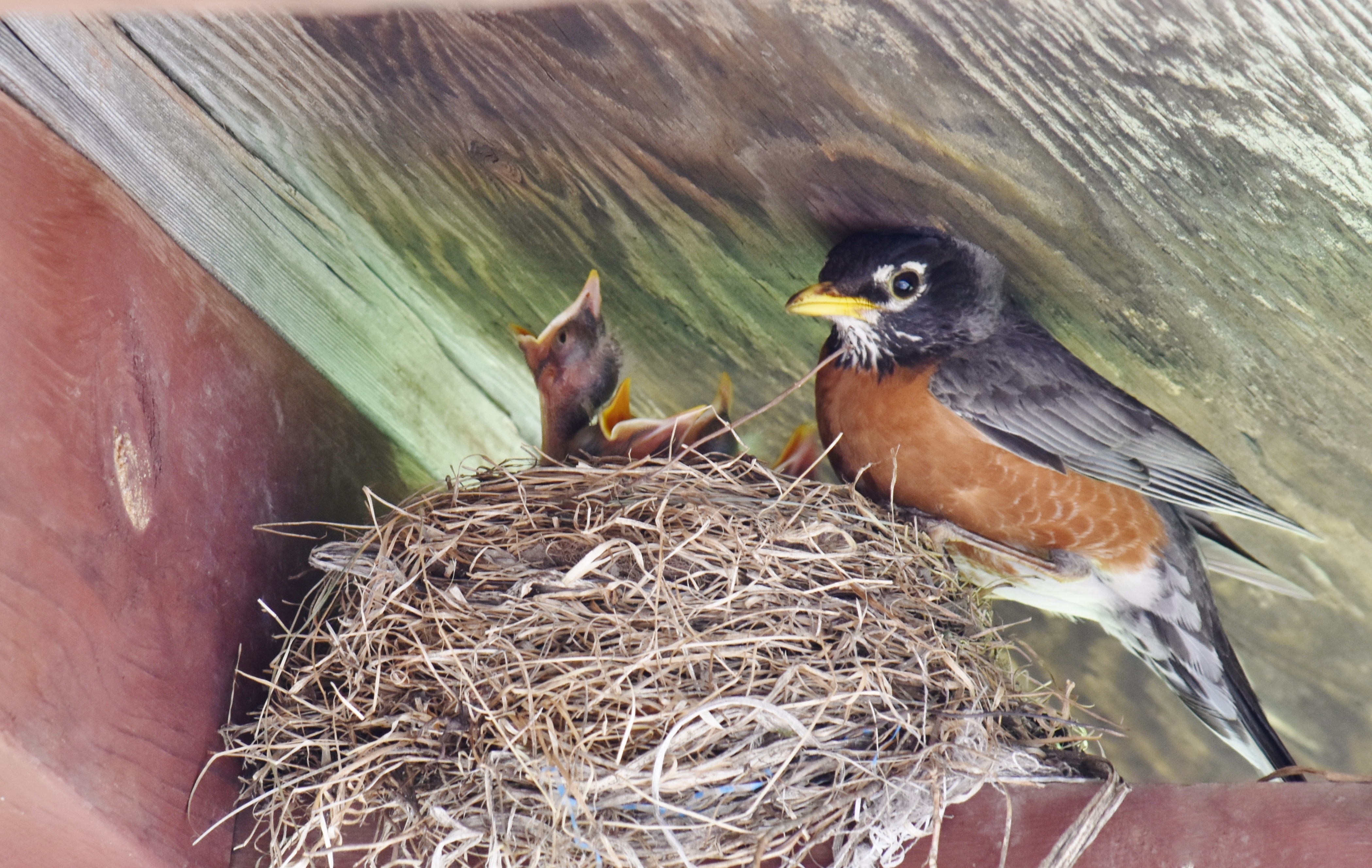
The lifespan of a bird's nest depends on the species. The building process can take from two days to three weeks. Once built, the nesting period for baby birds can last from two to ten weeks before they leave the nest. While most young birds are ready in two to six weeks, some predatory species may need up to two and a half months. Some species nest four to five times per year, so a nest could remain in use for several months. For specific information about a particular nest's longevity, it is best to consult a wildlife professional.

Some birds of prey, like owls, hunt at night. Hawks are diurnal and need good light to see their prey. You could see them circling anytime from dawn to dusk. Species like the common red-tailed hawk are most active in the early morning and late evening when their prey is also typically on the go.

DIY animal removal is rarely a good idea and is not advised for many reasons. First, these types of animals can carry diseases and, therefore, pose a health risk to you, your family, and your pets if mishandled. Second, depending on your city or municipality, it may be illegal to remove or handle wildlife yourself. 

Sealing your home against these animals yourself is also a bad idea. Trapping an animal under your house will cause odor and insect problems when it passes away. 

When woodpeckers start banging on your walls or roof, they are probably looking for insects to eat, storing nuts for winter, drilling a hole to make a nest, or communicating with other birds to establish territory or find a mate.

The size of the hole can help determine the reason for the pecking. Small irregular holes are a result of insect hunts. Acorn holes are more consistently sized and often fitted with a nut in the middle. Nest holes are large and have rounded edges. If the bird is pecking to mark its territory or attract a mate, it may leave dents rather than holes, and the noise will stop when the mating season starts in spring.

The Frankfort, MI homeowners’ guide to bird control services

From average costs to expert advice, get all the answers you need to get your job done.