




Top-rated plaster repair specialists.

Best plaster repair specialists near Tecumseh, MI

Enter your zip and get matched with up to 5 pros

Need a pro for your plaster repair project in Tecumseh, MI?

Select your specific project to find the pro for you.

TRUSTED BY TECUMSEH, MI HOMEOWNERS

  • Average homeowner rating star icon4.3
    Average homeowner rating
  • Verified reviews icon24
    Verified plaster repairs reviews

Top-Rated Plaster repair specialists in Tecumseh - Updated Nov 2026

Avatar for Crawford's Drywall
Crawford's Drywall
5.0(
55
)
Plaster - InstallPlaster - Install - For BusinessPlaster - Repair+1 more

Serving Tecumseh, MI and surrounding areas

Approved

In business since 1999

Free estimates

Emergency services offered

"Amazing work! They repaired the whole ceiling in our living area from a popcorn-ish mess to a smooth, modern look. They repaired and painted almost the whole house and it looks fantastic! Highly recommend."
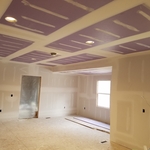
Drywall Project
Additional Photos
Additional Photos
Additional Photos
Additional Photos

+31

Response time7 hrs
Response rate100%
1 neighbors recently requested a quote

Avatar for EPIC INTERIORS & CEILINGS
EPIC INTERIORS & CEILINGS
5.0(
3
)
Plaster - InstallPlaster - RepairPlaster - Install - For Business+1 more

Serving Tecumseh, MI and surrounding areas

Approved

In business since 2018

Free estimates

Offers commercial services

We are a locally owned and operated company with over 33 years of industry experience. We specialize in Basement Remodels, but also offer a wide range of expertise for a variety of other Commercial projects. We pride ourselves on the quality of our work as well as our commitment to outstanding results. We look forward to building lasting relationships and guarantee your satisfaction! Proudly serving Howell and surrounding areas.

Wayne state
Wayne state
Wayne state
Additional Photos
Additional Photos

+13

9 neighbors recently requested a quote
Avatar for ZEFE drywall llc
ZEFE drywall llc
5.0(
1
)
Plaster - InstallPlaster - RepairPlaster - Repair - For Business

Serving Tecumseh, MI and surrounding areas

Approved

Free estimates

Small jobs welcome

Offers commercial services

"We could not be happier with this company. They did a remarkable job completing our large three car garage for us. Their tape and mudding skills were unbeatable. Two younger gentlemen started this company and they did an above average job for sure. We are keeping their number on hand for any future jobs we need and would not hesitate to refer them to anyone who asks. I highly recommend them for any project! Do not be afraid of how young they are… they know what they are doing for sure. I would give them more stars if I could!"
1 neighbors recently requested a quote
...
Showing 1-10 of 53
Plaster Repair FAQs, answered by experts

All plaster walls will crack over time due to normal house settling and expansion and contraction from temperature and moisture changes. Small, thin hairline cracks are generally not serious and are mostly a cosmetic issue. However, larger or more significant cracks can indicate structural problems.

Here's how to tell the difference:

  • Cosmetic Cracks: Cracks that are 0.5 cm (0.2 inches) or thinner are typically cosmetic.

  • Structural Cracks: Cracks wider than 0.5 cm, excessive or deep cracks, multiple cracks in the same area, or cracks that span around corners can signify a structural or foundation issue. Cracks along the joints where walls meet the ceiling also warrant attention.

For cracks wider than 0.5 cm, structural repair is needed. If a crack is 2.5 cm (1 inch) or wider, or if you notice any signs of a structural problem, it is best to contact a plaster repair professional to assess the damage.

Drying alone can take 1 to 4 hours to dry to the touch per plaster layer, but some types of plaster take several hours longer to dry. However, this doesn’t mean the job is done because plaster doesn’t fully harden until it cures, which can take a few days to a couple of weeks. It may take even longer if you’re building a new, pretty thick plaster wall. Allow the plaster to cure before painting it.

Although they have similar applications, spackle and joint compound are not the same. Their primary differences lie in their composition, consistency, and ideal use cases.

Spackle is composed of gypsum and binding agents, making it thicker than joint compound. It dries quickly and is easy to sand, which makes it ideal for small wall repair projects like filling nail holes or patching minor damage.

Joint compound, also known as drywall mud, consists of limestone and gypsum. It is primarily used for large-scale projects, such as taping and finishing the seams on newly installed drywall. It tends to shrink more than spackle and can be more difficult to spread.

While both products can be used to fill small depressions and cracks, spackle cannot replace joint compound for taping and mudding new drywall. Conversely, you can often use joint compound for small patching jobs typically done with spackle.

Plastering and skimming are two different techniques for finishing walls. Plastering involves applying a thick layer of a plaster mixture—typically containing gypsum, lime, cement, sand, and water—to create a new surface. This process often requires multiple coats and is used for repairing significant damage or creating decorative textures. Skimming, on the other hand, is a technique that involves applying a thin layer of drywall compound or joint compound over an existing surface to smooth it out, covering minor imperfections, small cracks, or uneven textures for a polished look. Plastering is generally more costly and labor-intensive than skimming. Although some people use the terms interchangeably, they refer to different processes and materials.

Although they are used for similar tasks, spackle and joint compound are not the same. Joint compound, also known as drywall mud, consists of limestone and gypsum and is primarily used for large-scale projects like taping and finishing seams on new drywall. Spackle is composed of gypsum and binding agents, making it a thicker compound best suited for small wall repairs like filling nail holes or cracks, as it dries quickly and is easy to sand. For small repairs, either product can be suitable. However, you can use joint compound for small jobs in place of spackle, but you cannot use spackle for large-scale taping and mudding projects.

The Tecumseh, MI homeowners’ guide to plaster repairs

From average costs to expert advice, get all the answers you need to get your job done.