




Top-rated plaster repair specialists.

Get matched with top plaster repair specialists in Britton, MI

Enter your zip and get matched with up to 5 pros

Need a pro for your plaster repair project in Britton, MI?

Select your specific project to find the pro for you.

TRUSTED BY BRITTON, MI HOMEOWNERS

  • Average homeowner rating star icon4.5
    Average homeowner rating
  • Verified reviews icon31
    Verified plaster repairs reviews

Find Plaster repair specialists in Britton

Avatar for Crawford's Drywall
Crawford's Drywall
5.0(
50
)

Serving Britton, MI and surrounding areas

Approved

Super Service Award Winner

In business since 1999

Free estimates

Emergency services offered

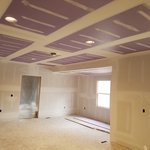
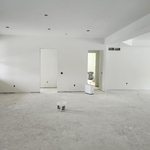
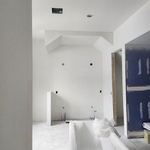
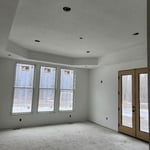
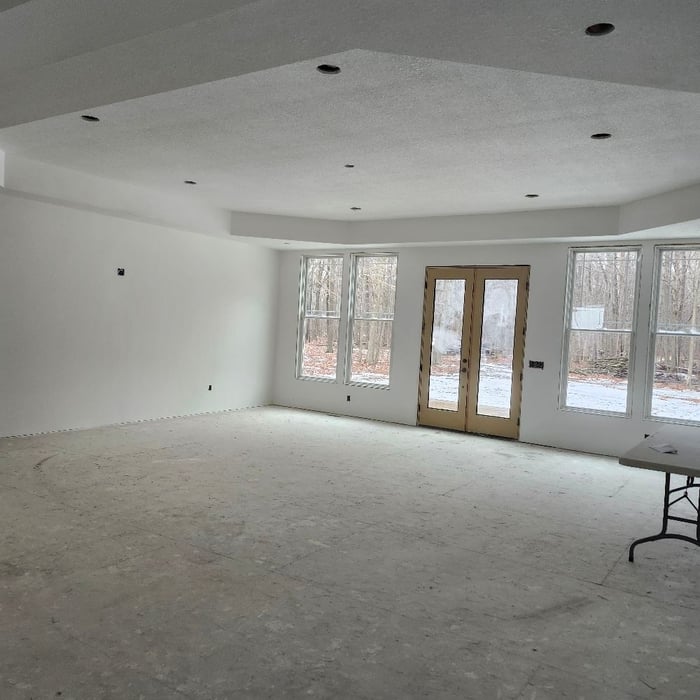
"We are so happy we chose Crawfords Drywall to drywall our basement. We received an affordable quote for work, everyone on this family based crew was Professional, polite, talented and overall great to work with. The job even got done ahead of schedule. Daryl answered all my questions and even purchased and installed, free of charge, some door trim in an area I had a concern about. He showed us some tool recommendations and gave us some painting and other repair tips. They really went above and beyond. I would recommend them to anyone and I wouldn’t hesitate to call them again for future needs. Thanks for a job well done!"
Drywall Project
Additional Photos
Additional Photos
Additional Photos
Additional Photos

+31

Response time7 hrs
Response rate100%
3 neighbors recently requested a quote
Avatar for Renaissance Restorations, Inc.
Renaissance Restorations, Inc.
4.4(
16
)

Serving Britton, MI and surrounding areas

Approved

In business since 1998

Free estimates

Warranties offered

"Entire house 2,000 sq ft up and down colonial needed facia boards replaced and painted. Also staff removed several wasp nests at no charge. House looks great and passed city inspections"
Broader view of kitchen working together.
Pantry, oven, backsplash, under cabinet lighting.
Fixtures and kitchen.
Island, microwave, stove, Cambria Quartz and under cabinet lighting.
Island, color contrast

+90

26 neighbors recently requested a quote
Recommended by100%of homeowners
Total Finish Woodworking
New to Angi

Serving Britton, MI and surrounding areas

Approved

I’m the owner of Total Finish Woodworking, and I’m passionate about building and improving things the right way. I believe in quality craftsmanship, clear communication, and showing up when I say I will. From custom woodworking and finish carpentry to home repairs and remodeling projects, I take pride in creating work that looks great, functions well, and stands the test of time. My goal is simple; treat every customer’s home with respect and deliver results I’m proud to put my name on.

Avatar for Manny
Manny
New to Angi

Serving Britton, MI and surrounding areas

Approved

Free estimates

Small jobs welcome

Starting from Detroit, We take pride in delivering high-quality interior and exterior painting services with attention to detail, reliable workmanship, and exceptional customer care.

8 neighbors recently requested a quote

Showing 1-10 of 48
Plaster Repair questions, answered by experts

Yes, you can use drywall repair techniques for some types of plaster damage. Tiny holes and small cracks in plaster can be patched in similar ways to drywall. You apply the necessary compound to fill the hole, wait for it to dry, then sand it down. For larger damage, like water damage or mold, you need to use plaster-specific techniques and materials.

Although they have similar applications, spackle and joint compound are not the same. Their primary differences lie in their composition, consistency, and ideal use cases.

Spackle is composed of gypsum and binding agents, making it thicker than joint compound. It dries quickly and is easy to sand, which makes it ideal for small wall repair projects like filling nail holes or patching minor damage.

Joint compound, also known as drywall mud, consists of limestone and gypsum. It is primarily used for large-scale projects, such as taping and finishing the seams on newly installed drywall. It tends to shrink more than spackle and can be more difficult to spread.

While both products can be used to fill small depressions and cracks, spackle cannot replace joint compound for taping and mudding new drywall. Conversely, you can often use joint compound for small patching jobs typically done with spackle.

You can put certain types of plaster over other types, but doing so isn't always the best idea. For example, putting a coat of gypsum over lime plaster is possible, but doing so will limit the lime plaster's breathability and potentially affect its performance.

Since cement plaster tends to leave a textured surface, no matter how much you smooth it, some people prefer to use gypsum plaster as a topcoat over cement plaster, creating a smoother surface.

Yes, you can speed up the time it takes for plaster to dry, but it's important to do so carefully to avoid issues like cracking or crumbling. Proper ventilation is key; open a window or use a fan to circulate air in the room. Heat can also accelerate drying, but be cautious, as too much heat can cause the plaster to dry too quickly and crack. Check the plaster's packaging for the recommended drying temperature and set the room's thermostat accordingly. While managing humidity is important, avoid using a dehumidifier, which can remove moisture too aggressively and result in crumbly plaster.

Both plaster and drywall are durable wall finishes, but they differ significantly in installation, cost, performance, and aesthetics.

Installation & Cost: Drywall installation is faster and more affordable, typically costing $1.50 to $3 per square foot. It uses premade sheets, making it a more accessible DIY project. Plastering is a labor-intensive craft that requires specialized skills, pushing costs to $2 to $10 per square foot. It involves applying a wet paste over a lath framework.

Durability & Performance: Plaster is generally more durable, longer-lasting, and provides superior soundproofing. It is also a better insulator, which can help reduce energy costs. Drywall is easier to remove for future renovations.

Aesthetics: Drywall provides a smooth, uniform surface ready for paint or texture. Plaster offers a high-end, naturally textured look that can hide imperfections and is often preferred for achieving a classic or historic aesthetic.

Which is better? The choice depends on your priorities. Drywall is ideal for those prioritizing a lower upfront cost, faster installation, and DIY potential. Plaster is the better option for a higher-end project where durability, soundproofing, and a unique, premium finish are more important than the initial cost.

The Britton, MI homeowners’ guide to plaster repairs

From average costs to expert advice, get all the answers you need to get your job done.