




Top-rated excavation pros.

Get matched with top excavation pros in Grand Rapids, MI

Enter your zip and get matched with up to 5 pros

Need a pro for your excavation project in Grand Rapids, MI?

Select your specific project to find the pro for you.

TRUSTED BY GRAND RAPIDS, MI HOMEOWNERS

  • Average homeowner rating star icon4.8
    Average homeowner rating
  • Verified reviews icon14
    Verified excavation services reviews

Find Excavation pros in Grand Rapids

Avatar for Diggity Dirt
Diggity Dirt
5.0(
12
)
Landscape - Minor Grading or Resloping

Serving Grand Rapids, MI and surrounding areas

Approved

In business since 2019

Free estimates

Emergency services offered

"Would not hire anyone else. Diggity Dirt is top notch. You will not be disappointed they will go out of their way to deliver you the product you want and when you need it."
Response time12 hrs
Response rate89%
5 neighbors recently requested a quote
Avatar for Topland Construction, LLC
Topland Construction, LLC
5.0(
11
)
Excavation - Major Grading or Resloping - For Business

Serving Grand Rapids, MI and surrounding areas

Approved

In business since 2020

Free estimates

Emergency services offered

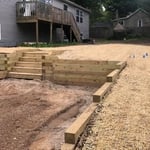
"The team came out to do a retaining wall for me, they got the entire project done (along with some tree removal) in about 2 days. They were really professional, and the machine set block they use looks great and at a great price!"
Final Grade
Stone & Fabric Install
Drain Installation
Finished Grade
Response time6 days
7 neighbors recently requested a quote
Recommended by100%of homeowners

...
Showing 1-10 of 166
Excavating questions, answered by experts

Chipmunks dig their burrows about three feet deep and up to 30 feet long. The entrances can be two inches wide or more. Chipmunks are fiercely protective of their burrows and use them to protect the nuts and seeds they gather for the long winters.

To locate an underground downspout, you should start by identifying where the above ground gutter drains. Look for an entry point, such as a pipe or elbow leading into the ground. Follow the surface path for signs like depressions, landscaping disruptions, or wet areas after rain. You can use a metal detector or plumber’s snake to trace the pipe underground. For deeper pipes, a professional locator tool or camera inspection may be necessary. Visual markers or utility maps can also guide the search.

Landscape edging is more DIYable than trenching. You can DIY your own digging projects, but proceed carefully and only with proper knowledge of the equipment and appropriate safety measures in place. Keep in mind the project's scope and estimate how long it will take you to do it on your own. While you can certainly save money by DIYing home improvement projects, you can’t exactly hide an unfinished—or worse, ruined— landscaping job from the neighbors. It’s always safer to call an excavation pro near you to get an estimate.

You can bury underground electrical wire six inches deep—but only if you use a rigid metal electrical conduit. For rigid, non-metallic conduits, bury the wire at least 12 inches deep. If using an underground feeder cable rated for direct burial, you'll need to place it at least 18 inches deep, as it has no conduit for extra protection.

Excavation is priced in cubic yards, so you’ll need to find the volume of the area in order to calculate costs. Multiply the length, width, and proposed depth of your excavation site, then convert it into yards to get the volume. Multiply this figure by the price per cubic yard.

Most homeowners can measure by hand to get a rough estimate, even if it’s tedious. You may want to pull out a tape measure or use a string to help mark the area.

The Grand Rapids, MI homeowners’ guide to excavation services

From average costs to expert advice, get all the answers you need to get your job done.