



Top-rated excavation pros.

Get matched with top excavation pros in Marne, MI

Enter your zip and get matched with up to 5 pros

Need a pro for your excavation project in Marne, MI?

Select your specific project to find the pro for you.

Find Excavation pros in Marne

Jeff Kamps Excavating Services, LLC
2.8(
2
)
Building Site - Preparation and Clearing - For BusinessExcavation - Major Grading or Resloping - For Business

Serving Marne, MI and surrounding areas

Approved

In business since 2020

Free estimates

Small jobs welcome

We're a locally owned and operated company with over 30 years of industry experience. We value honesty and integrity in all aspects of our business. We offer a variety of Excavating Services that are customizable to each individual project. We pride ourselves on the quality of our work as well as our commitment to outstanding results. We look forward to building lasting relationships with our clients and guarantee your satisfaction!

Response time3 days
Recommended by100%of homeowners
Avatar for Pride Property Services
Pride Property Services
3.3(
8
)
Building Site - Preparation and ClearingExcavation - Major Grading or ReslopingBuilding Site - Preparation and Clearing - For Business+2 more

Serving Marne, MI and surrounding areas

Approved

In business since 2020

Free estimates

Emergency services offered

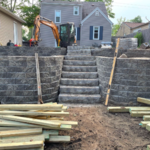
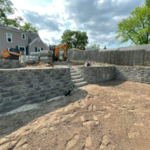
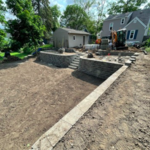
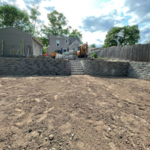
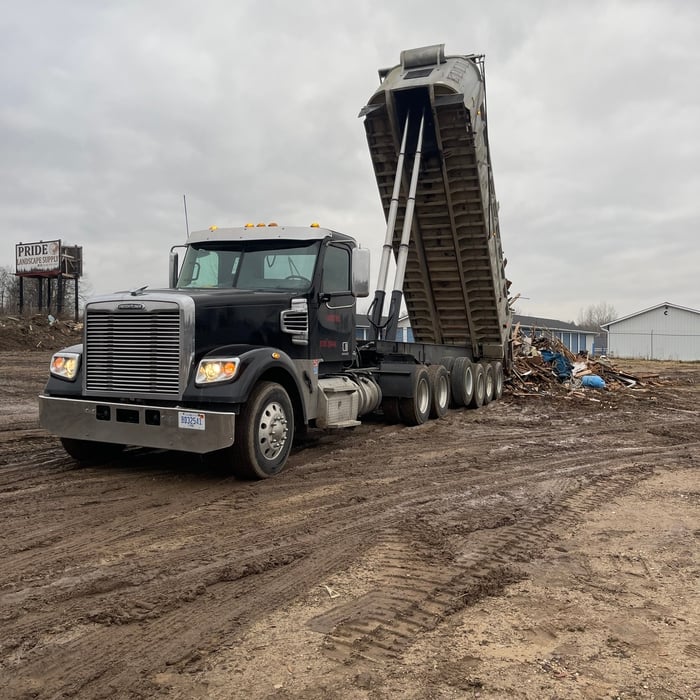
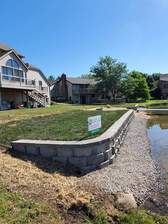
"We wanted our yard regraded, retaining walls repaired, and large boulders moved. The end result exceeded our expectations. They listened to what we wanted and offered some great suggestions. They showed up on time every day and completed the project early. Would definitely use them again and recommend them to anyone looking for a landscaper."
Steps
Walls
Walls
Walls
Semi & End Dump

+8

Response time2 days
26 neighbors recently requested a quote
Recommended by100%of homeowners
...
Showing 1-10 of 91
Excavating questions, answered by experts

Trenching and boring are two distinct methods for installing underground utilities. Trenching involves digging a channel using equipment like an excavator, trencher, backhoe, or shovel. While it is a simpler process, it causes significant disruption to the surface, landscaping, and surrounding ecosystems.

Boring, also known as directional boring, is a less invasive alternative that uses a drill to create a tunnel for utility lines without disturbing the surface. This method is more precise and is ideal for installations that need to go underneath buildings, roads, or bodies of water. Although boring is less disruptive, it is generally more expensive than trenching.

Digging a bush up by the roots is the most natural DIY method for removing a bush stump. Start by identifying the shrub type and revealing its roots. Cut the shrub to its base and loosen the soil, ensuring no utility lines are nearby. Optionally, treat the base with herbicide, then dig around the roots and cut a circle around the shrub using various tools. Dig a trench, cut the base of the root ball, and finally fill the hole to prevent regrowth. This thorough process ensures complete removal without damaging surrounding areas.

Hard soil could be a sign of overly dry dirt, either from poor drainage or drought. It's important to test the nutrient levels, density, and drainage capacity of your soil to see if it's absorbing water properly. Begin by adding a light layer of water and observing how long the soil retains moisture. If you experience a good deal of runoff, you may need to aerate your lawn, apply a wetting agent, or hire a professional for a closer look.

Whether you grind or dig up and remove your tree stump depends on your landscaping goals. Using a stump grinder leaves the root system in place for it to decompose over time, whereas digging up the tree stump removes the roots and the stump. Overall, stump grinding is a far simpler process since you won’t need to deal with the roots. Stump removal will make your yard look like a demolition site, but you’ll have an easier time replanting in the same place as your former tree.

Water lines are buried at various depths, depending on the type of line. For example, most sprinkler lines are buried between four and 12 inches underground. On the other hand, water mains usually sit between one and 3 feet below ground. However, they can go even deeper in cold climates to prevent freezing.

The Marne, MI homeowners’ guide to excavation services

From average costs to expert advice, get all the answers you need to get your job done.