


Top-rated excavation pros.

Get matched with top excavation pros in Alto, MI

Enter your zip and get matched with up to 5 pros

Need a pro for your excavation project in Alto, MI?

Select your specific project to find the pro for you.

TRUSTED BY ALTO, MI HOMEOWNERS

  • Average homeowner rating star icon4.4
    Average homeowner rating
  • Verified reviews icon13
    Verified excavation services reviews

Find Excavation pros in Alto

Avatar for DPH Tree Services LLC
DPH Tree Services LLC
5.0(
19
)
Building Site - Preparation and Clearing - For Business

Serving Alto, MI and surrounding areas

Approved

In business since 2018

Free estimates

Emergency services offered

"It went great. They exceeded my expectations in the work and the time it took to do it. Although they primarily specialize in tree removal they did a great job removing brush and the stuff in the brush."
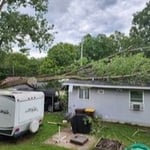
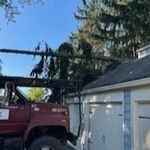
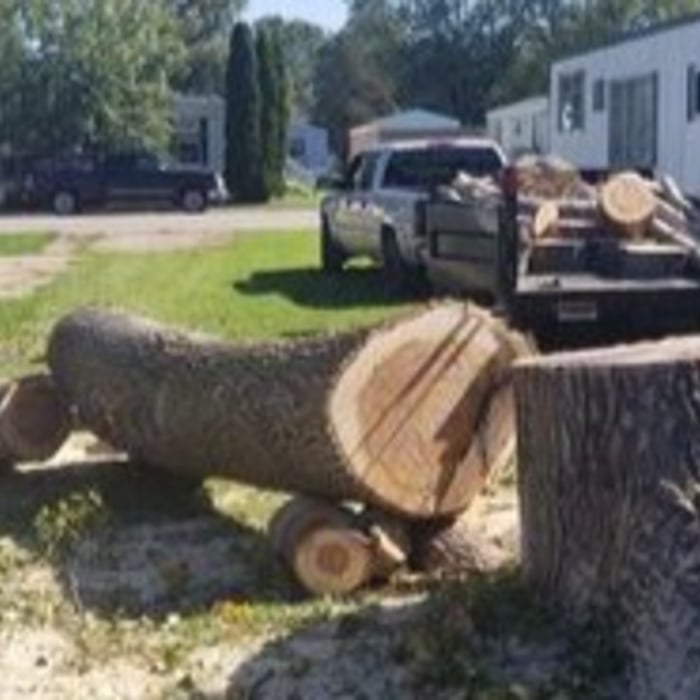
Storm Damage Job Saranac
Storm Damage Job
Storm Damage Job
Storm Damage Job
St. Johns Job

+34

Response time1 day
Response rate93%
2 neighbors recently requested a quote
Avatar for Parkers Asphalt and Sealcoating LLC
Parkers Asphalt and Sealcoating LLC
5.0(
6
)
Landscape - Minor Grading or Resloping

Serving Alto, MI and surrounding areas

Approved

In business since 2019

Free estimates

Credit card accepted

"We had the cracks refilled and driveway seal coated. It looks amazing. 5 stars for Parkers! Great customer service, before, during and after the job was done. My mother said "They worked really hard. They couldn't have done a better job. " Great work guys!"
Response time2 days
Response rate90%
15 neighbors recently requested a quote
Avatar for Pride Property Services
Pride Property Services
3.3(
8
)
Landscape - Minor Grading or ReslopingBuilding Site - Preparation and ClearingExcavation - Major Grading or Resloping+2 more

Serving Alto, MI and surrounding areas

Approved

In business since 2020

Free estimates

Emergency services offered

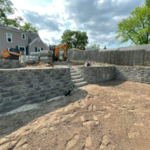
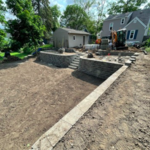
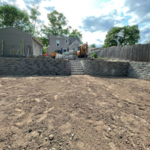
"We wanted our yard regraded, retaining walls repaired, and large boulders moved. The end result exceeded our expectations. They listened to what we wanted and offered some great suggestions. They showed up on time every day and completed the project early. Would definitely use them again and recommend them to anyone looking for a landscaper."
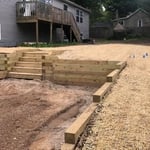
Steps
Walls
Walls
Walls
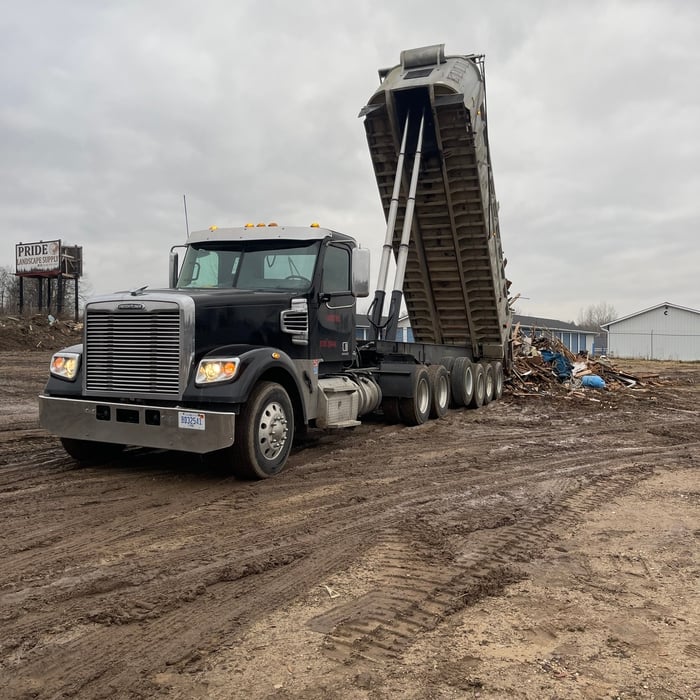
Semi & End Dump

+8

Response time2 days
16 neighbors recently requested a quote

Recommended by100%of homeowners
...
Showing 1-10 of 91
Excavating questions, answered by experts

Yes, you can technically make a crawl space liveable, but the only way to do so is by converting it into a basement. While some crawl spaces are big enough to walk through and store large items, they lack appropriate insulation and space to be liveable.

Trenching and boring are two distinct methods for installing underground utilities. Trenching involves digging a channel using equipment like an excavator, trencher, backhoe, or shovel. While it is a simpler process, it causes significant disruption to the surface, landscaping, and surrounding ecosystems.

Boring, also known as directional boring, is a less invasive alternative that uses a drill to create a tunnel for utility lines without disturbing the surface. This method is more precise and is ideal for installations that need to go underneath buildings, roads, or bodies of water. Although boring is less disruptive, it is generally more expensive than trenching.

Septic drain lines (or leach lines) are typically buried between 18 and 36 inches underground, and should be at least 6 inches below the surface. These pipes are perforated and surrounded by filtering materials like sand or gravel. Burying the lines at this depth helps minimize odors and allows bacteria and other biological processes in the soil to effectively treat the wastewater. Burying lines too close to the surface can cause issues unless the soil is very compact and stable.

Downspouts should be buried at least 5 to 10 feet away from your foundation. This can vary depending on your local building codes, soil type, and property slope. The main goal is to ensure water is directed away from your foundation.

A trench that is less than 5 feet deep often doesn't require a protective system. Most residential trenches will not go this deep (the typical residential drainage trench is just 18 inches deep). In the event that an excavator needs to dig more than 5 feet beneath the surface, a protective system is required unless the excavation is in entirely stable rock.

The Alto, MI homeowners’ guide to excavation services

From average costs to expert advice, get all the answers you need to get your job done.