



Top-rated cleaning & maid services pros.

Get matched with top cleaning & maid services pros in Grand Rapids, MI

Enter your zip and get matched with up to 5 pros

Need a pro for your cleaning & maid services project in Grand Rapids, MI?

Select your specific project to find the pro for you.

TRUSTED BY GRAND RAPIDS, MI HOMEOWNERS

  • Average homeowner rating star icon4.7
    Average homeowner rating
  • Verified reviews icon485
    Verified cleaning & maid servicess reviews

Find Cleaning & maid services pros in Grand Rapids

...
Showing 1-10 of 730
Cleaning questions, answered by experts

While a biohazard cleanup sounds like a scary process, knowing what to expect can help ease your concerns and set you up for success. It’s good to note that more than one professional might be needed depending on your situation, but that will be determined during the assessment. What you can expect during a home biohazard cleanup is the following:

  • Assessment: The first step in this process is for a biohazard cleanup professional to assess the damage. They create a report that includes the biohazard safety level, the needed damage cleanup, and the time it should take to complete the project. 

  • Setup: The cleanup professional prepares the site to prevent cross-contamination and reduce toxicity risk. This process can include tarping and creating decontamination zones. 

  • Removal of surface contamination: Any contaminated materials are removed from the area, starting with large materials followed by small ones. The professional can assess any floor-related damage once everything is removed from the site. 

  • Salvaging items: The biohazard cleanup professionals assess which items can be saved and which are contaminated beyond the point of saving. Those deemed unsafe will be disposed of immediately. 

  • Waste disposal: The next step is carefully disposing of the hazardous waste. Your professional will place the contaminated items in specific containers to keep the contamination from spreading.   

  • Disinfection: The house will be disinfected and odor-neutralized. Even more minor details, like light switches and bulbs, will be disinfected so that they do not recontaminate the area in the future. 

  • Restoration: Once the decontamination is complete, the last step is to restore the home. This includes repairing the damage to flooring, walls, or even the home's foundation.  

You should wash your sheets at least once every two weeks and as often as once every week to keep your sleeping environment healthy. If it’s hot out, or if you have a job where you might deposit dust onto your sheets from your work environment, you should wash your sheets more frequently.

Anything that might have been exposed to fumigation chemicals should be washed before use. Wipe down and sanitize surfaces like countertops and tables, and wash all utensils (or take care to store them in an airtight box beforehand), as well as anything else that could find its way into someone’s mouth, like kid or pet toys. 

You can always use a homemade vinegar solution as a natural alternative to commercial cleaning products. To make and use a vinegar cleaning solution, fill a spray bottle with equal parts white distilled vinegar and warm water. Spray the solution liberally across the tub surface. Let it sit for 10 to 15 minutes before wiping it down with a non-abrasive sponge or cleaning cloth, then rinse with clean water. If a line of soap scum is still visible, spray it with the vinegar solution. Use a soft-bristle toothbrush to gently scrub the residue away before wiping it down and rinsing again.

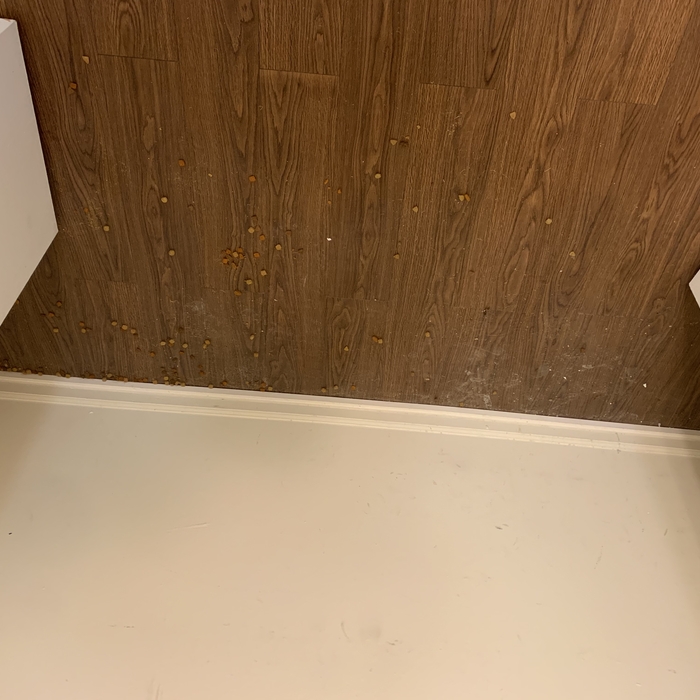
How often you should clean laminate floors depends on how often people walk on the floors, tracking dirt and grime behind them. Sweep away debris several times each week, and mop and deep clean your laminate floors every two months, increasing these intervals when necessary.

The Grand Rapids, MI homeowners’ guide to cleaning & maid servicess

From average costs to expert advice, get all the answers you need to get your job done.