



Top-rated arborists.

Get matched with top arborists in Free Soil, MI

Enter your zip and get matched with up to 5 pros

Need a pro for your arboricultural service project in Free Soil, MI?

Select your specific project to find the pro for you.

TRUSTED BY FREE SOIL, MI HOMEOWNERS

  • Average homeowner rating star icon4.6
    Average homeowner rating
  • Verified reviews icon184
    Verified arboricultural services reviews

Find Arborists in Free Soil

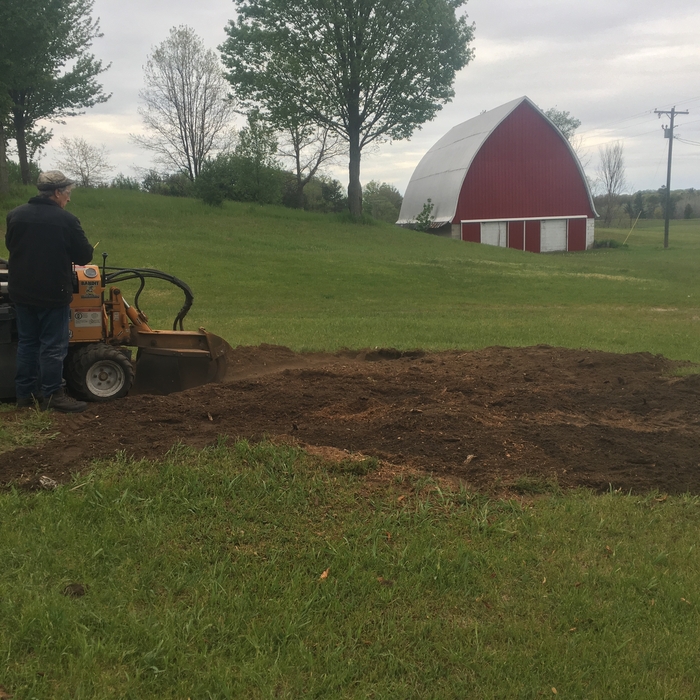
Avatar for Lonchar's Stump Removal
Lonchar's Stump Removal
4.8(
16
)
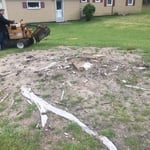
Tree Stump - Remove

Serving Free Soil, MI and surrounding areas

Approved

In business since 2024

Free estimates

Emergency services offered

"Very helpful. Communicated very well and did exactly as I asked. Asked for clarification on any issues that came up and kept to the time schedule. Would highly recommend."
4 neighbors recently requested a quote
Recommended by81%of homeowners
Showing 1-10 of 37
Arborists questions, answered by experts

Your local government is usually in charge of pruning trees on public property, and the power company is responsible for trees near power lines (even if they’re on your property). Whether or not they top these trees depends on their approach to pruning. You won’t be able to do much to control this, but you can contact them to find out more about their pruning process.

There are several methods to hollow out a tree stump, and the best one depends on your tools, experience, and priorities. Common methods include using a chisel and hammer, a chainsaw, or burning.

  • Chisel and Hammer: This is often considered the easiest approach for those with limited tools or experience, though it is the most time-consuming.

  • Chainsaw: Using a chainsaw is the fastest method, but it comes with significant safety risks, especially for inexperienced users.

  • Burning: This can be an effective method, but it is not recommended unless you can first drill holes into the stump. Without holes, the stump will be difficult to light and may not burn completely through.

A power drill with at least a ⅜-inch diameter bit can make the job quicker and easier, regardless of the primary method. While you can use a chisel or chainsaw without a drill, it will require more time and effort. Always wear protective goggles and thick gloves, as splinters are an inevitable risk.

Trees don’t usually grow back after being cut down. Some particularly robust tree species may start sending up new stems from a stump to recover, but those stems won’t become a “tree” like before. Generally, trees don’t recover from being entirely cut down, which is why it’s important to be careful when making a decision. When you cut down a tree, it’s a good idea to make plans to remove the stump, even if it’s unlikely to grow back.

Light-bark trees are most notorious for producing lots of sap when wounded. These varieties include maples, birches, poplars, dogwoods, magnolias, and elms, and they will bleed more when the trees are dormant. That’s why it’s a good idea to prune them in the summer months rather than waiting until winter.

Yes, it’s okay to trim low branches on a tree, also known as limbing up or raising the crown. Essentially, you’ll trim the lower third of the tree (trunk) and leave the upper two-thirds of the tree (crown). Arborists recommend trimming 20% of a tree’s leaves per season for two to three seasons. Trimming low branches allows light to flow through the tree, increasing circulation and making the tree stronger and healthier.

The Free Soil, MI homeowners’ guide to arboricultural services

From average costs to expert advice, get all the answers you need to get your job done.