



Top-rated arborists.

Get matched with top arborists in New Era, MI

Enter your zip and get matched with up to 5 pros

Need a pro for your arboricultural service project in New Era, MI?

Select your specific project to find the pro for you.

TRUSTED BY NEW ERA, MI HOMEOWNERS

  • Average homeowner rating star icon4.4
    Average homeowner rating
  • Verified reviews icon94
    Verified arboricultural services reviews

Find Arborists in New Era

Avatar for GRIND PROS LLC
GRIND PROS LLC
5.0(
11
)
Tree Stump - RemoveTree Stump - Remove - For Business

Serving New Era, MI and surrounding areas

Approved

Free estimates

Emergency services offered

Small jobs welcome

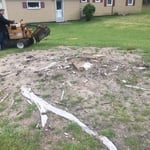
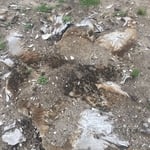
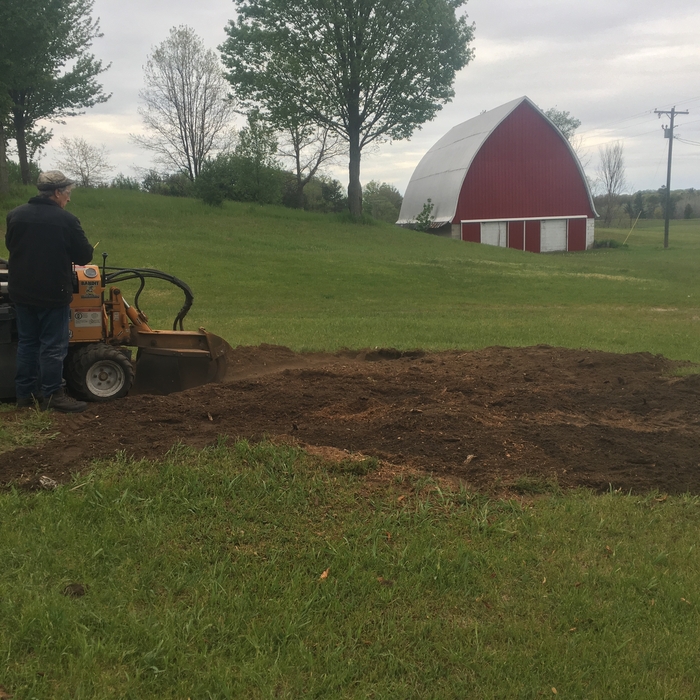
"I hired grind pros to remove a stump in my front yard. It's a small front yard with a LARGE maple tree that had been an eye sore for years. Justin got it out of there in an afternoon with ease. He was extremely professional and knowledgeable. I would highly recommend grind pros for stump removal services."
19 neighbors recently requested a quote
Showing 1-10 of 46
Arborists questions, answered by experts

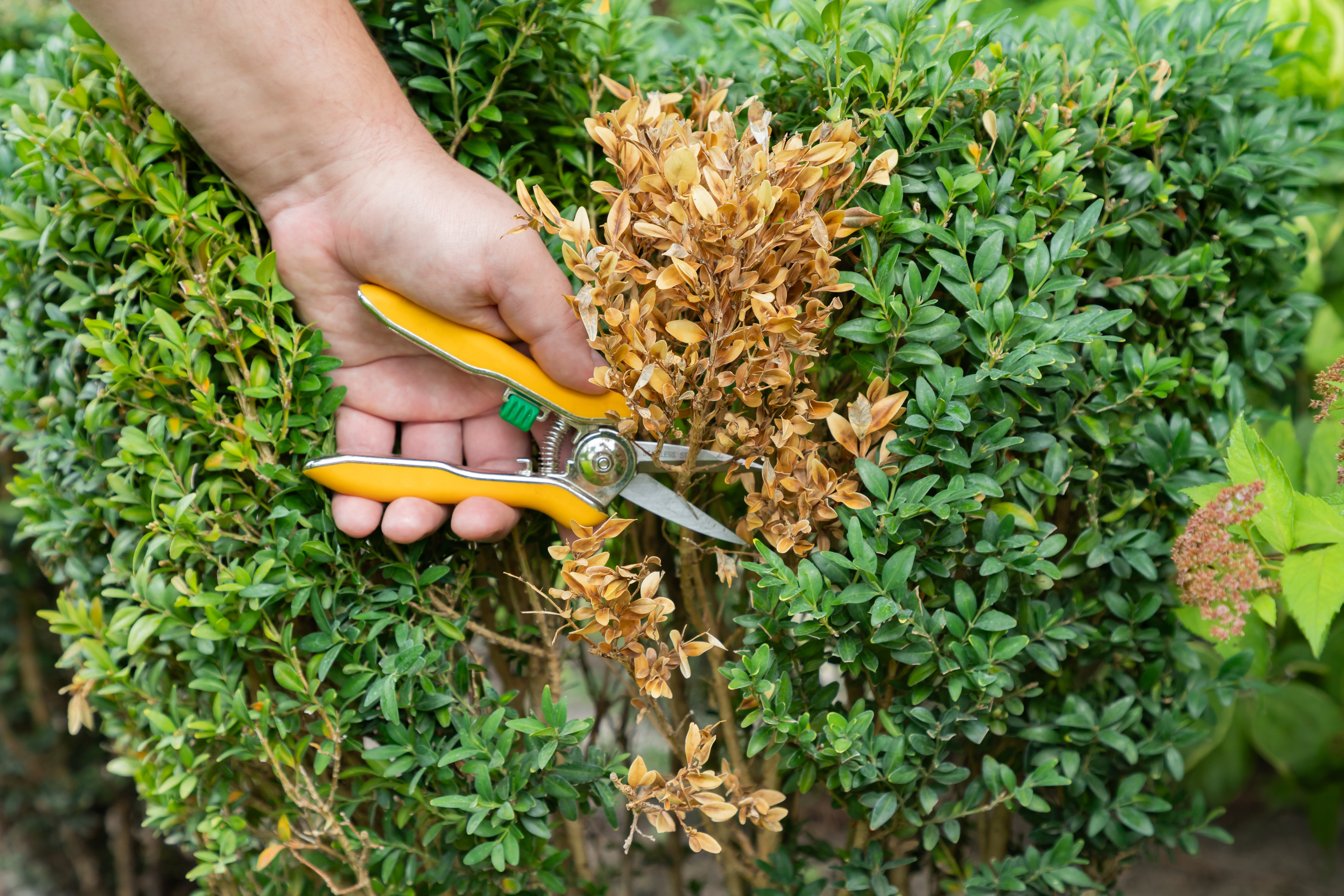
Pruning a tree is a yearly DIY job that involves removing small dead branches, leaves, and blooms to help the tree grow bigger and stronger. You can often complete the job with basic home gardening tools. Trimming a tree, however, removes larger sections to control the direction the tree grows in and protects your home, utility wires, and yard from potentially dangerous branches.

The recovery time for pruning depends on how much you prune, the species of tree, and how well you care for it afterward. All trees grow new wood and often sprout additional branches after pruning. Ideally, trees should recover from normal pruning after one or two years. Heavy pruning or slow-growing trees may take several years to fully recover.

Yes, cutting a tree's roots can cause it to fall, particularly if major support roots are severed. In extreme cases, trimming roots can affect the tree's structure and stability. Many crucial roots are located just below the soil's surface. If you make severe cuts to roots more than 2 inches in diameter, you risk impacting the tree's water flow and its ability to withstand severe winds or storms. Even cutting roots less than half an inch in diameter under or outside the tree's canopy can cut off its water supply, causing it to decline, die, and eventually topple.

It is possible to burn out a tree stump if it is dried out and in an area of your property with a large buffer. Drill holes in the stump and dig around the base so it burns more easily. Then, build a small campfire on top using kindling and firewood. You’ll need enough to keep the fire going for many hours to completely burn out the stump, especially if it’s large. 

Monitor the fire closely to ensure it doesn’t spread, and have a hose on hand if it starts to get out of control. When the fire is out, break apart the burned stump and dig out what’s left of it.  

If this sounds like a good option, learn more about how to burn a tree stump before attempting it, as it does come with risks.

Most trees can be successfully transplanted while they are young, but pines, walnuts, and some oak tree varieties are more difficult to move because their root systems grow deeper than most other trees. Also, trees adapted to sandy soil with wide root systems like beeches, willows, and aspens are harder to dig out because their roots spread much farther out from the trunk. In these cases, unless the trees are very young and small, it’s a good idea to consult a tree planting professional.

The New Era, MI homeowners’ guide to arboricultural services

From average costs to expert advice, get all the answers you need to get your job done.