

Top-rated arborists.

Get matched with top arborists in Custer, MI

Enter your zip and get matched with up to 5 pros

Need a pro for your arboricultural service project in Custer, MI?

Select your specific project to find the pro for you.

TRUSTED BY CUSTER, MI HOMEOWNERS

  • Average homeowner rating star icon4.7
    Average homeowner rating
  • Verified reviews icon181
    Verified arboricultural services reviews

Find Arborists in Custer

Avatar for NRE Excavating
NRE Excavating
4.9(
16
)
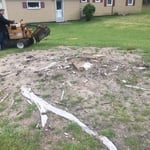
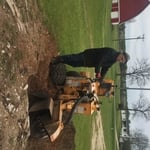
Tree RemovalTree TrimmingTree Stump - Remove

Serving Custer, MI and surrounding areas

Approved

In business since 2017

Free estimates

Offers commercial services

"Would hire again. Actually showed up unlike other people. Reasonable price. My wife was the one who conversed with them and she said “very polite, understanding, down to earth people who she will hire again in the future.”"
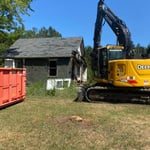
Home Demolition
Home Demolition
5 neighbors recently requested a quote
Recommended by60%of homeowners
Showing 1-10 of 46
Arborists questions, answered by experts

It is possible to cut down a tree on your property yourself, but it is generally not recommended unless specific conditions are met. You should only consider this project if the tree is small (e.g., under 4-5 inches in diameter and short enough that you don't need a ladder to reach the branches), and you are experienced in handling a chainsaw. The tree must also be located far from any power lines, fences, homes, or other structures. Even for small trees, the work can be dangerous, and it's always advisable to have a spotter to ensure the tree falls correctly and no branches fall on you.

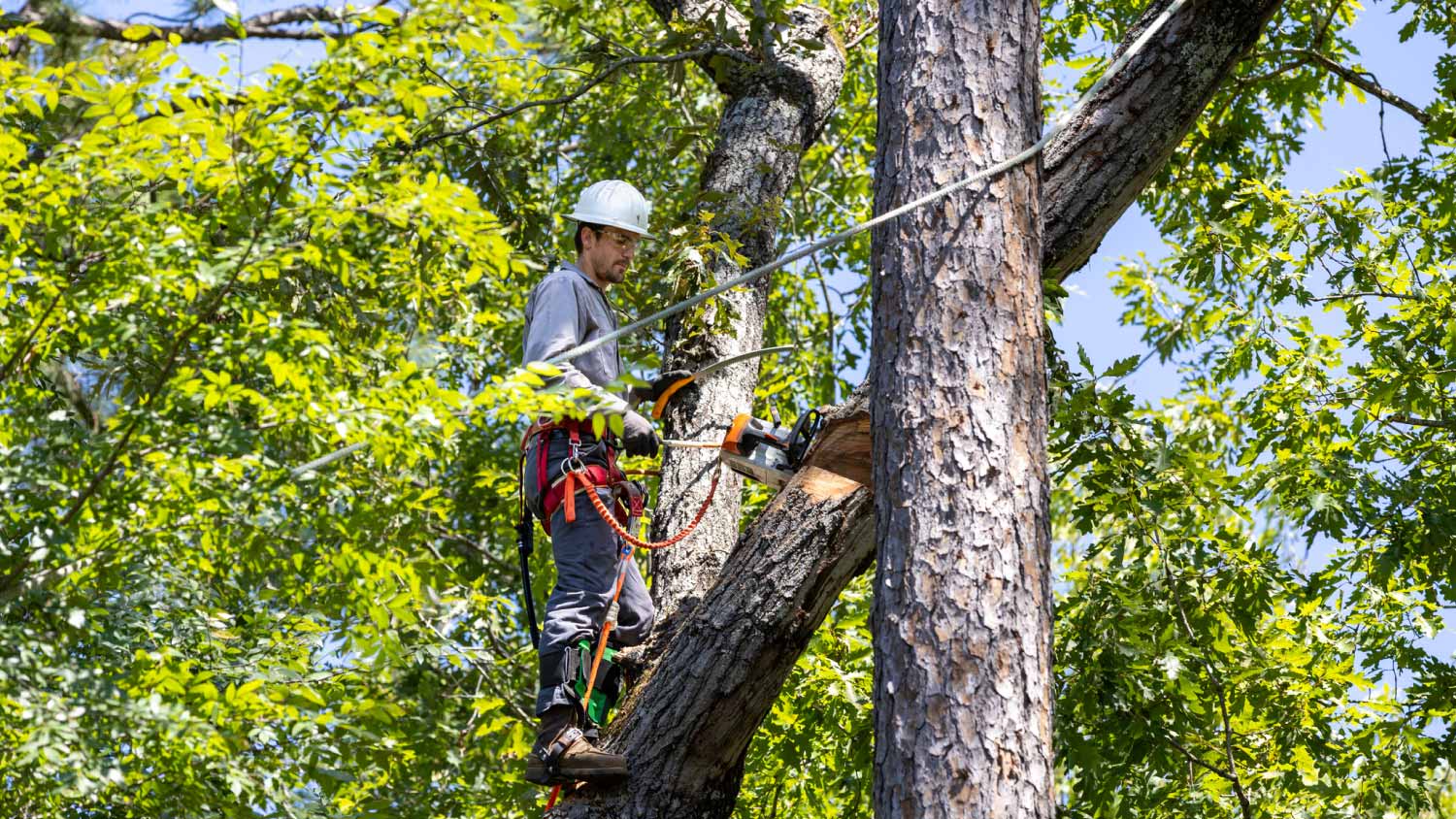
For any tree that is large, requires a ladder to access, or is near electrical lines or structures, you should always hire a professional. Attempting to remove a large tree yourself is extremely dangerous, poses a risk of serious injury, and could result in significant damage to your property.

Before any tree removal, it's also important to check your local and state regulations to ensure the tree is not historic or otherwise protected by your city.

Some trees, such as silver maples, birches, sycamores, and scotch pines, shed their bark naturally. If your tree is not one that does this, it might have fallen prey to pests, fungi, or diseases. It could also simply be suffering from an extreme weather change, such as a snowstorm or heat wave. If you’re still stumped, consulting with a pro can help you diagnose your tree’s specific problem.

It’s possible to transplant trees as tall as 50 feet when an experienced tree planting service uses the right equipment. However, a tree with a trunk larger than two or three inches in diameter needs to be handled by a professional in order to yield successful transplanting results. Consulting a tree planting professional is the best way to tell if your large tree can be safely transplanted.

Trees should be pruned every two to five years, depending on its age and type. Young trees should be inspected and pruned every two to three years. Mature trees should be inspected and trimmed every three to five years, and fruit trees should be pruned annually with a careful eye on seasonal growth. Evergreens typically don’t need pruning, unless branches or limbs are damaged, diseased, or harboring pests.

A tree can grow back from its stump, but full regrowth is unlikely (especially for more stubborn conifer trees). Instead, trees are more likely to send up a number of shoots from the dead stump, which will try to develop into primary stems over time. In other words, it will start to look increasingly bushy. The goal of killing and drying out a tree stump is to prevent that from happening, as well as make the stump easier to completely remove.

The Custer, MI homeowners’ guide to arboricultural services

From average costs to expert advice, get all the answers you need to get your job done.