




Top-rated arborists.

Get matched with top arborists in Onekama, MI

Enter your zip and get matched with up to 5 pros

Need a pro for your arboricultural service project in Onekama, MI?

Select your specific project to find the pro for you.

TRUSTED BY ONEKAMA, MI HOMEOWNERS

  • Average homeowner rating star icon4.7
    Average homeowner rating
  • Verified reviews icon99
    Verified arboricultural services reviews

Find Arborists in Onekama

Avatar for Lonchar's Stump Removal
Lonchar's Stump Removal
4.8(
16
)
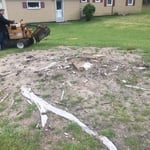
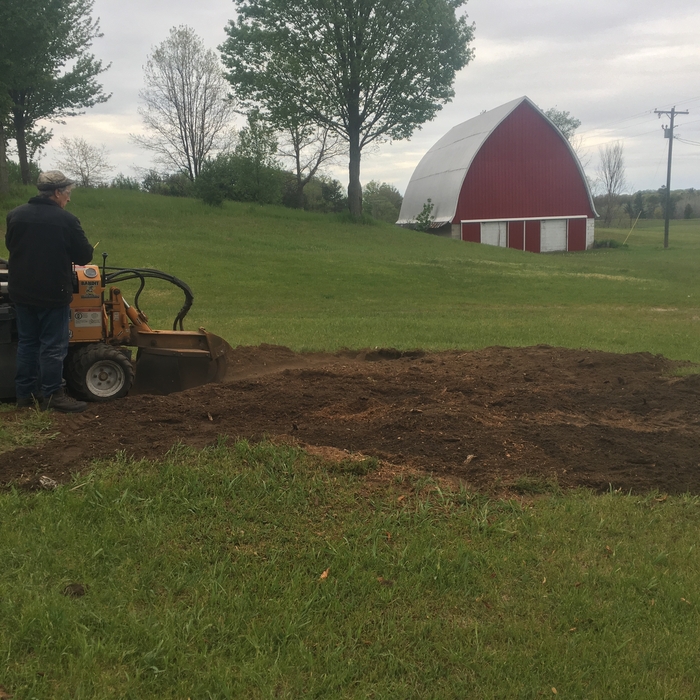
Tree Stump - Remove

Serving Onekama, MI and surrounding areas

Approved

In business since 2024

Free estimates

Emergency services offered

"Very helpful. Communicated very well and did exactly as I asked. Asked for clarification on any issues that came up and kept to the time schedule. Would highly recommend."
3 neighbors recently requested a quote
Recommended by81%of homeowners
Showing 1-10 of 38
Arborists questions, answered by experts

The amount of time it takes for a tree trunk to rot depends on several factors, including the tree’s size, species, and environmental conditions. It can take anywhere from a few years to several decades for a tree’s trunk to rot. A tree stump, on the other hand, can take up to 10 years to disappear after it’s decayed naturally.

Whether you grind or dig up and remove your tree stump depends on your landscaping goals. Using a stump grinder leaves the root system in place for it to decompose over time, whereas digging up the tree stump removes the roots and the stump. Overall, stump grinding is a far simpler process since you won’t need to deal with the roots. Stump removal will make your yard look like a demolition site, but you’ll have an easier time replanting in the same place as your former tree.

Most trees can be successfully transplanted while they are young, but pines, walnuts, and some oak tree varieties are more difficult to move because their root systems grow deeper than most other trees. Also, trees adapted to sandy soil with wide root systems like beeches, willows, and aspens are harder to dig out because their roots spread much farther out from the trunk. In these cases, unless the trees are very young and small, it’s a good idea to consult a tree planting professional.

For trimming trees, your best tool is a pair of pruning shears or loppers. Both options work best for branches that are under 3 inches in diameter. Trimming trees with a larger diameter may require a robust tool like a small chainsaw or a handsaw, so take into account your tree’s diameter when deciding between tools.

Generally, homeowners do not need permission to cut down a tree on their own private property, but there are several exceptions where a permit may be required. You might need a permit if the tree is particularly large, old, or a protected species, such as a heritage tree. Trees located near public property or power lines can also be subject to special rules. Additionally, many local governments and homeowners associations (HOAs) have regulations controlling which trees can be removed to manage an area's appearance or prevent the spread of invasive species. To avoid hefty fines, it is crucial to check with your local government and HOA to determine if a permit is needed before you begin.

The Onekama, MI homeowners’ guide to arboricultural services

From average costs to expert advice, get all the answers you need to get your job done.