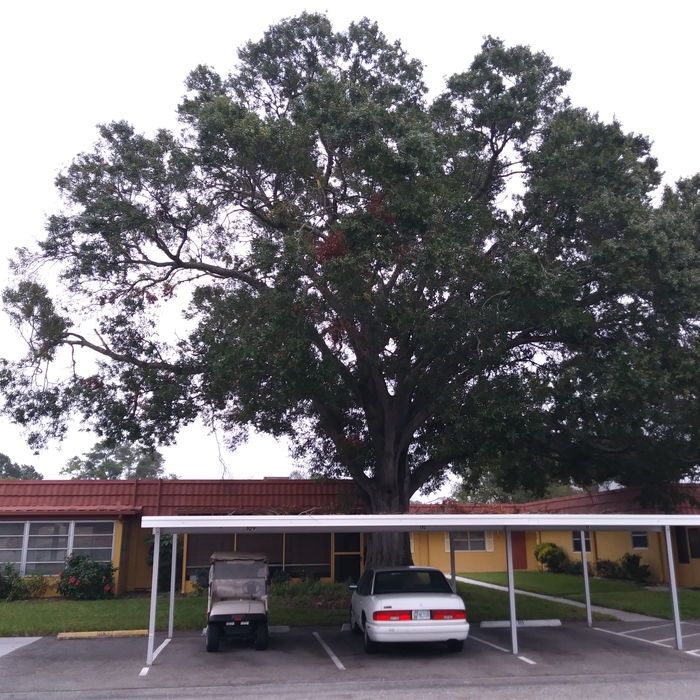


Top-rated tree service pros.

Get matched with top tree service pros in Free Soil, MI

Enter your zip and get matched with up to 5 pros

Need a pro for your tree service project in Free Soil, MI?

Select your specific project to find the pro for you.

TRUSTED BY FREE SOIL, MI HOMEOWNERS

  • Average homeowner rating star icon4.7
    Average homeowner rating
  • Verified reviews icon165
    Verified tree services reviews

Find Tree service pros in Free Soil

Avatar for Andy's Tree Svc
Andy's Tree Svc
4.4(
22
)
Tree RemovalTree Removal - For BusinessTree Stump - Remove+5 more

Serving Free Soil, MI and surrounding areas

In business since 1962

Free estimates

Credit card accepted

"Andy came personally to give us an estimate.  He was on time, personable and professional.  The date was set for the following week.  Crew arrived ON TIME - they worked safely and quickly.  All the work was completed as promised.  The cleanup from taking down the trees was amazing.  I highly recommend their services!"
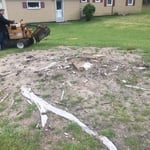
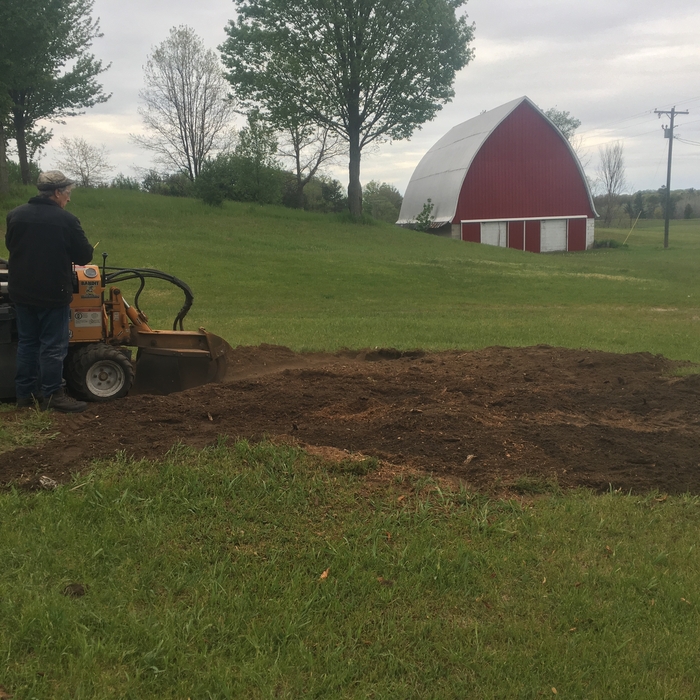
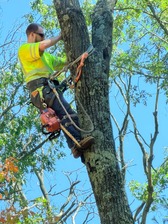
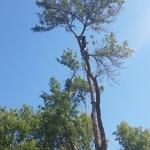
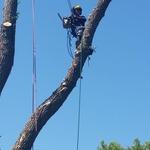
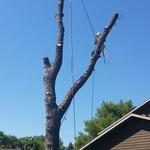
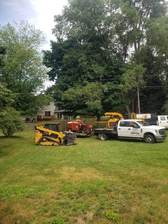
Additional Photos
Additional Photos
Additional Photos
Recommended by100%of homeowners
Avatar for Here Today Gone Tomorrow Tree Service
Here Today Gone Tomorrow Tree Service
4.4(
6
)
Tree RemovalTree Removal - For BusinessTree Trimming+1 more

Serving Free Soil, MI and surrounding areas

In business since 2015

Emergency services offered

Warranties offered

"Contacted this pro to get a much needed tree removed. They came out right away, assessed the scope of work, and provided a very reasonable quote. When asked when they could do it, he replied, "I'll have a crew over here today!" The crew came a few hours later and had the tree down and mostly cleaned up in a very short time. The next morning, they returned and grinded the Stomp and finished the clean up. Their work is in their name as my tree really was here today and gone tomorrow."
Response time5 hrs
Recommended by66%of homeowners
Showing 1-10 of 39
Tree Service questions, answered by experts

In most cases, you should not use a pruning seal on trees after trimming. Applying a sealant can interfere with the tree's natural healing process, and it does not guarantee protection from pathogens. Instead of sealing the cut, the best practice is to support the tree's natural recovery by providing it with plenty of water and a dormant-style fertilizer. However, there are exceptions. Pruning seals may be recommended for very vulnerable species, like elm trees, in areas where dangerous diseases such as Dutch elm disease are prevalent. In these specific situations, the protection offered by a sealant can outweigh its downsides. For advice tailored to your situation, especially after cutting large branches, it is best to consult a local tree trimming professional.

On average, tree removal costs around $750, with a typical range between $200 and $2,000. The final price depends on several factors, including the tree's height, trunk diameter, species, and overall health. Accessibility is also a key factor; costs will be higher if the tree is in a hard-to-reach area or located near structures like power lines or your home. Additional costs may apply for services such as stump removal (which can add $100 to $150), log-splitting, debris cleanup, and obtaining necessary permits. It is also customary to tip the professional, usually between $20 and $100.

It's easy to misidentify trees that appear to be maple trees due to similarities in leaf shapes. Sweetgum, sycamore, and yellow poplar all have leaf shapes and appearances similar to maples. The fact that around a dozen maple tree varieties exist, only about half of which are considered common, makes misidentification an often typical occurrence.  

Since summer is a busy time for tree companies, the cheapest time of year to remove a tree is during the winter. February and March are typically the prime time to hire a tree removal pro, and some homeowners living in colder climates can save around 20% off services. It depends on location and the company, but you can always shop around for the best deal.

A tree branch should start to form roots in about three months. It can take about a year for a tree branch to develop roots strong enough to go in the ground. For best results, start several branches because, no matter how closely you follow instructions, they won’t all form roots. Compost any that aren’t thriving.

The Free Soil, MI homeowners’ guide to tree services

From average costs to expert advice, get all the answers you need to get your job done.