




Top-rated fireplace pros.

Get matched with top fireplace pros in Burton, MI

Enter your zip and get matched with up to 5 pros

Need a pro for your fireplace service project in Burton, MI?

Select your specific project to find the pro for you.

Find Fireplace pros in Burton

Avatar for CJW Chimney Sweeping & Restoration
CJW Chimney Sweeping & Restoration
4.7(
109
)
Clean and Inspect a wood fireplace chimneyBrick or Stone Fireplace - RepairClean and Inspect a gas fireplace+1 more

Serving Burton, MI and surrounding areas

Approved

In business since 1992

Warranties offered

Credit card accepted

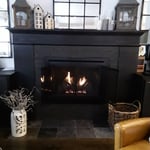
"Very well. Found that there were some issues with our gas fireplace set and CJW took care of it for us. We've never had work done before on a gas fireplace so we dont have much to compare it to. However, we feel it was done well and at a fair price. Would hire them again."
Additional Photos
Additional Photos
Additional Photos
Additional Photos
Additional Photos

+18

Response time7 hrs
4 neighbors recently requested a quote
Recommended by88%of homeowners
Avatar for DeGains Masonry
DeGains Masonry
4.8(
16
)
Clean and Inspect a wood fireplace chimney

Serving Burton, MI and surrounding areas

Approved

Free estimates

Emergency services offered

Credit card accepted

"I couldn’t have asked for a better contractor. The job was done perfectly. Great clean up every day during the project. I would recommend DeGains Masonry without hesitation."
Brick veneer
Stone
Masonry Project
Alpina
Stone

+26

1 neighbors recently requested a quote
Recommended by92%of homeowners
...
Showing 1-10 of 73
Fireplaces questions, answered by experts

Yes, you can have a gas line professionally installed to convert your traditional fireplace to natural gas; just know it’ll be an extra cost to budget for. The cost to run a gas line where you don’t already have one is about $540, though most homeowners pay between $260 and $820. Your total could be significantly higher if you don’t already have a main gas line running to your home.

The primary disadvantage of a ventless fireplace is that it doesn’t have an exterior venting system. This means that the byproducts from combustion are emitted into your home, which raises some safety concerns. In addition, ventless gas fireplaces produce moisture as they burn—and if there’s no ventilation, you could end up with a mold problem.

The main difference between an outdoor wood furnace versus an outdoor wood boiler is what each appliance is heating. An outdoor wood furnace burns wood to create heat, which warms the air and moves it through the ducts in your home. An outdoor wood boiler uses the heat from burning wood to warm water, which goes through pipes to radiators in the home.

The best location for a wood stove depends on your home's layout and venting options. For optimal heat distribution, a central location on the ground floor, such as the living room, is often recommended. If you have an existing, functional chimney, installing the stove there can simplify the venting process. Alternatively, placing the stove near an outside wall can make it easier to route a new chimney through the roof. For safety, ensure no combustible materials are near the stove. Building codes typically require 20 to 36 inches of clearance between the stove and any side walls.

Yes, you can put a freestanding one in a corner if you’re tight on space. Because pellet stoves don’t get as hot as other types of wood stoves, there only needs to be 3 inches of clearance from the wall on each side. Placing it in a corner should not impact the ventilation—you’ll still need to follow safety precautions by not installing too close to a window. Typically, it’s 4 feet from a window or 18 inches if the stove uses an external air source for combustion. Always check the owner’s manual for specific instructions.

The Burton, MI homeowners’ guide to fireplace services

From average costs to expert advice, get all the answers you need to get your job done.