

When it comes to precise measurements, you need a precise tool. A micrometer can definitely come in handy, so learn how to read a micrometer here.
Do your tape measure skills measure up to the professionals?

Understanding the tape measure marks on your measuring tape helps you work more accurately, with the longest lines indicating inches and shorter lines marking fractions down to sixteenths.
Your tape measure includes special markings at 16 inches for stud spacing and 19.2 inches for joist spacing, making framing projects easier to measure and plan.
Reading measurements correctly means placing the hook against the edge and locking the tape, then marking with a pencil arrow so you can cut on the larger side.
Hiring a local handyman professional provides reliable support for projects requiring precise measurements, ensuring your cuts and installations come out square and level every time.
We've all heard the saying "measure twice, cut once," but what if you’re not reading a tape measure correctly in the first place? Learning how to read a tape measure may seem simple, but knowing all the special markings and the metric and imperial tape measure lines could be the difference between a great shelf and another piece of scrap wood.
So whether you're measuring the square footage of a space or building your very own farmhouse table, we've got the tips for reading your measuring tape measurements the right way.
Tape measures come in plastic, metal, and even roll-up cloth measuring tape form. For our purposes, we're talking about a standard construction tape measure—the extendable metal or plastic tape that zips out of the case and zips back in when you release the lock. Let's get to know the tape measure a bit better:
Case (or housing): The case of a tape measure that houses the tape and controls its extension and withdrawal. Your case may note its length so you can use it while measuring tight spaces.
Belt loop: Most cases include a clip on one side to pop on your belt or work apron in between measurements.
Thumb lock: The thumb lock is a small switch just above the tape dispenser to allow the tape to move in either direction.
Tape (or blade): The tape rolls up inside the case but will extend out to 10, 25, 50 feet, or even longer in some cases. The tape often includes both metric and imperial tape measure lines.
Hook (or tang): A metal or plastic hook tops the end of the tape for several reasons. It stops the tape from disappearing into the case, latches onto the edge of a surface, and even includes a small hole for temporarily attaching to a surface for more stability. Some hooks will include a serrated edge to mark your measurement if you don't have a pencil handy.
After ensuring that the lock is in the off position, gently pull the hook—aka the tang—out of the case. Now you're ready to measure:
If you are measuring an object or area with an edge, brace the hook against the end of the object and pull the tape measure to the proper length.
Click the tape into the locked position to observe and mark the measurement.
Here's the interesting part: The hook on the end of the measuring tape is often slightly loose to account for this measuring process. Since "true zero" sits underneath the hook, the hook will pull away from the tape 1/16 of an inch to account for the extra material. In other words, you can trust that you have an accurate measurement even with that small hook at the end.
Mark the measurement with a pencil, preferably pointing to the spot with an arrow instead of just a line.
Always cut closer to the larger measurement—you can always sand down the wood later.

With the tape measure right where you need it, let's get down to reading the numbered tape measure. Even if you recall these geometry lessons from your school days, it can be helpful to know just how a tape measure tends to break things up.
Keep in mind that every model of tape measure will use different fonts and highlight different important measurement lengths.
Most tape measures in the U.S. will include imperial units—feet, inches, and all the divisions of an inch in between. If it is not clearly marked, remember that inches are larger than centimeters so that numbers will be farther apart on the imperial unit side.
One foot will appear on a tape measure as 1', 1F, 1ft., or simply 12 inches. Some tape measures will highlight each foot marking so they are easier to see when stretching the tape across long distances.

One inch will be noted as 1", 1in, or just with the number itself. The numbers for inches will often be the largest on the tape measure and easy to spot from afar. The line for inches may even span the entire height of the tape measure.

The next largest mark on the imperial side of the tape measure is the half-inch mark. Some tape measures will indicate this for the first few inches or throughout the entire thing. You will often see it marked as ½" or with nothing other than the line.

Look in between each half-inch, and you'll find mid-sized markings for quarter inches. There will be two quarter-inch marks between each half-inch mark. Yet again, some measuring tapes will include a ¼" note, while others will simply include the line.

Take an even closer look, and you'll find that each quartered inch is split in half by a small eighth-inch marking. The line will be even shorter than the quarter-inch one and may or may not include a ⅛" note.

The sixteenth-inch—you guessed it—splits up the eighth-inch sections. These are so small that they rarely get a note, but if they do, it will look like 1/16".

Many countries outside of the U.S. opt out of the imperial inch, foot, and mile system and go for the metric system. Measurements in the metric system use the meter. The meter is 100 centimeters, which breaks down into 10 millimeters. Tape measure lines may also make a special note for the decimeter—or 10 centimeters—so it's easier on the eye when measuring.
You will find a large marking, sometimes in red or bolded black, for the meter. The tape may list it as 1m, or as 100cm.
Some measuring tapes will break meters into decimeters, marked as dm. Every 10 centimeters, a red or black bolded number will indicate that you've reached 10cm.

Centimeters, or cm, are the primary measuring unit on the metric tape. If your tape has both, the centimeter numbers often fall below the imperial numbers. Centimeters will be marked with numbers, a tall line, or 1cm, 2cm, and so forth.
Millimeter lines break centimeters into 10 sections so you will find nine markings between the two-centimeter lines. Some measuring tapes will include a slightly taller line to mark the halfway point between two centimeters to make it easier to count.
After ensuring that the lock is in the off position, gently pull the hook—aka the tang—out of the case. Now you're ready to measure:
If you are measuring an object or area with an edge, brace the hook against the end of the object and pull the tape measure to the proper length.
Click the tape into the locked position to observe and mark the measurement.
Here's the interesting part: The hook on the end of the measuring tape is often slightly loose to account for this measuring process. Since "true zero" sits underneath the hook, the hook will pull away from the tape 1/16 of an inch to account for the extra material. In other words, you can trust that you have an accurate measurement even with that small hook at the end.
Mark the measurement with a pencil, preferably pointing to the spot with an arrow instead of just a line.
Always cut closer to the larger measurement—you can always sand down the wood later.
If you prefer to leave the work to a pro, call a local handyperson who can take all of the measurements for your project.
There are some hidden secrets you can lean on when learning how to read a tape measure. Some tape measures highlight important numbers for builders and feature small design perks to make them easier to use.
Even if you've used a tape measure for years, you may have missed the hidden markings. For example, here are a few:
16-inch markings for common stud spacing
19.2-inch markings for common joist spacing
19 3/16-inch markings for common truss spacing
If you are measuring in a tight space, do not bend the case away from the measuring surface and press the tape down. You will get a better measurement by extending the case right to the wall and adding the length of the case (usually about 3 inches) to your measurement. The case should include its length on the back.
Do you know what else the handy hook is good for? Drawing a perfect circle before cutting. Place the hook on a nail at the center of the circle you intend to draw. Pull the tape out to the proper radius and lock it into place. Place your pencil at the junction of the case and the tape and spin it around for a perfect circle.
We all had a bit of not-so-safe fun letting the measuring tape zip back into the case when we were kids. It's not the best idea when working, however. Always feed the tape back into the case slowly when winding up the tape to avoid injury.
Excellent, Prompt, Courteous Service!!! They were super friendly and quite personable. I felt very comfortable with the gentlemen that did the installation. They installed it exactly where I asked them to and they did an excellent job!! I loved their service so much.
 Tether House
Ace Fireplace Services' chimney sweep service is truly exceptional. They used advanced technology to ensure a thorough cleaning process, and my chimney has never looked better. I highly recommend their services.
 Ace Fireplace Services
Binion and Alex did such a good job. Fast, fair, efficient. Would def use them again. Best experience Iâ ve had in moving - someone should give them a raise. Will undoubtedly recommend this service.
 All My Sons Moving & Storage
Great customer service. The owner Ilia was wonderful to work with. Would definitely recommend this company.
 Window Depot USA of Central Ohio
I definitely recommend Ramonaâ s cleaning service! I have booked services with her many times and she arrives on time, ready to work and provides a great service.
 Your Cleaning Solutions LLC
Excellent experience! Left my place looking great. Friendly customer service too. Would recommend!
The service was excellent! They gave me a quote, and had it done 4 days later. My driveway looks amazing, very professional! I would definitely recommend their service to anyone. I have had neighbors stop by and ask for their information as well.
 All Star Paving and Sealing
Webb â s was priced well, flexible on scheduling, great with communication, and detailed in their work. Iâ ll definitely use their services again.
 Webbs Pressure and Paint LLC
They’ve been great to work with. All of my clients that have used them have nothing but good things to say about the experience. Quick responses and fast service. They’re a trustworthy team!
 Total Home Roofing
Mary cleaning service does an amazing job cleaning my home. They go over and beyond the cleaning services that I have had in the past. They are very punctual and thorough with cleaning my home, I’m extremely happy with the service they provide and I highly recommend them.
From average costs to expert advice, get all the answers you need to get your job done.
When it comes to precise measurements, you need a precise tool. A micrometer can definitely come in handy, so learn how to read a micrometer here.

Precise measurements are key for home window installation. Find out how to measure for replacement windows and successfully kick off your next project.
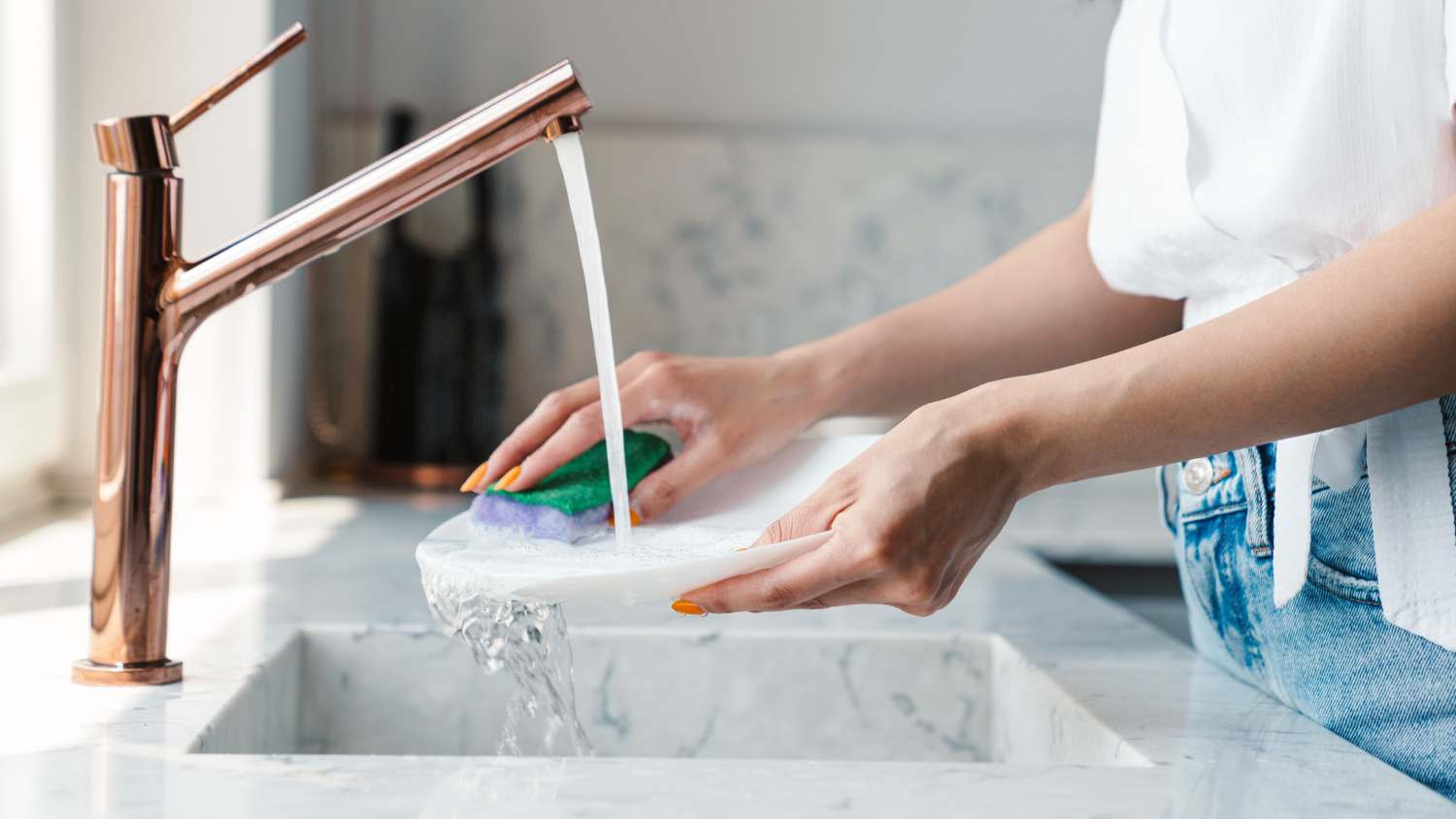
Have you noticed a high water bill? Your meter might be to blame. This checklist can help you learn how to read a water meter to ensure it’s in working order.

Replacing or upgrading plumbing in your home? Make sure you know how to measure pipe size accurately to avoid buying the wrong materials.
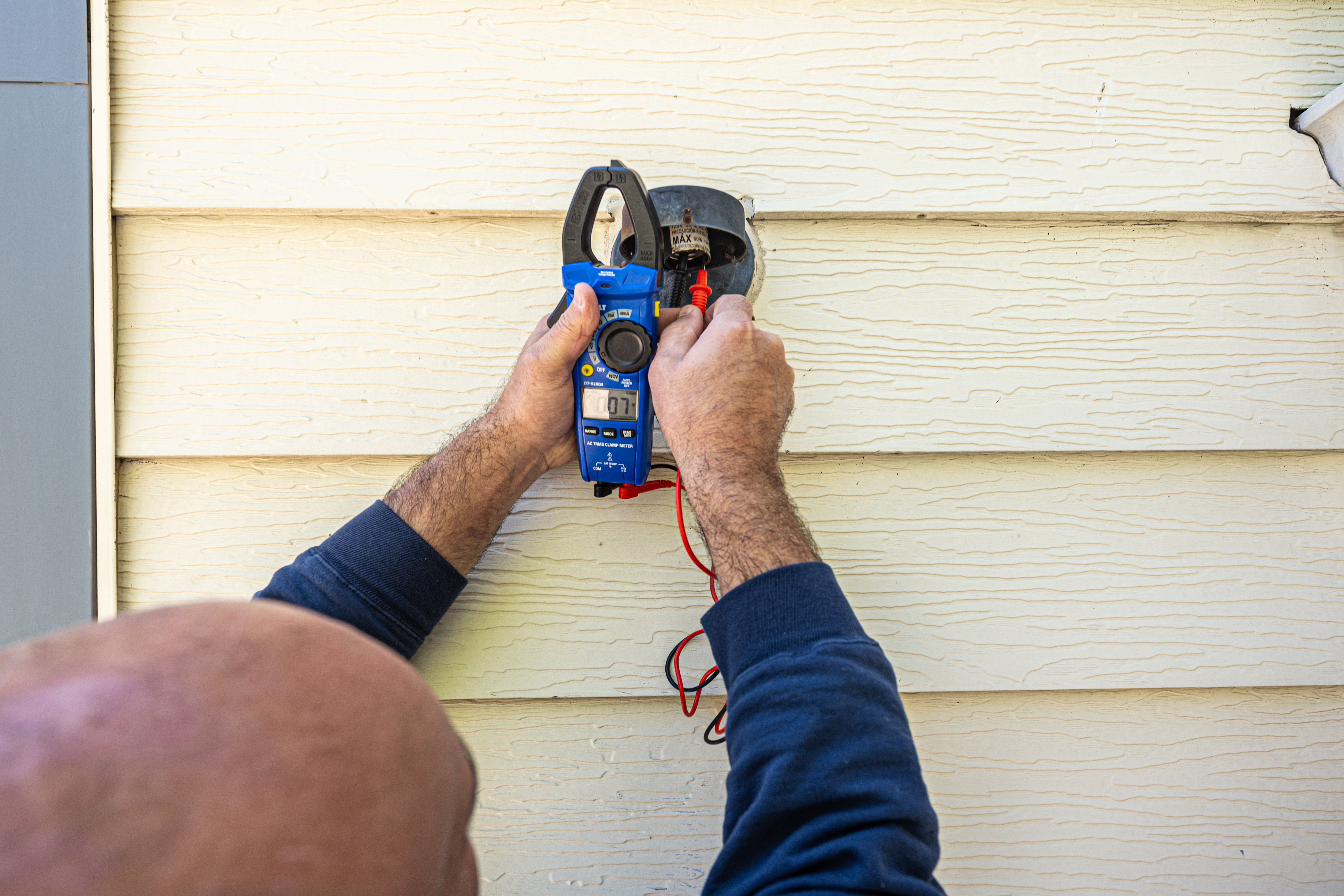
Take your DIY skills to the next level by reading electrical measurements. Use this guide to learn how to read a multimeter to troubleshoot electrical issues.
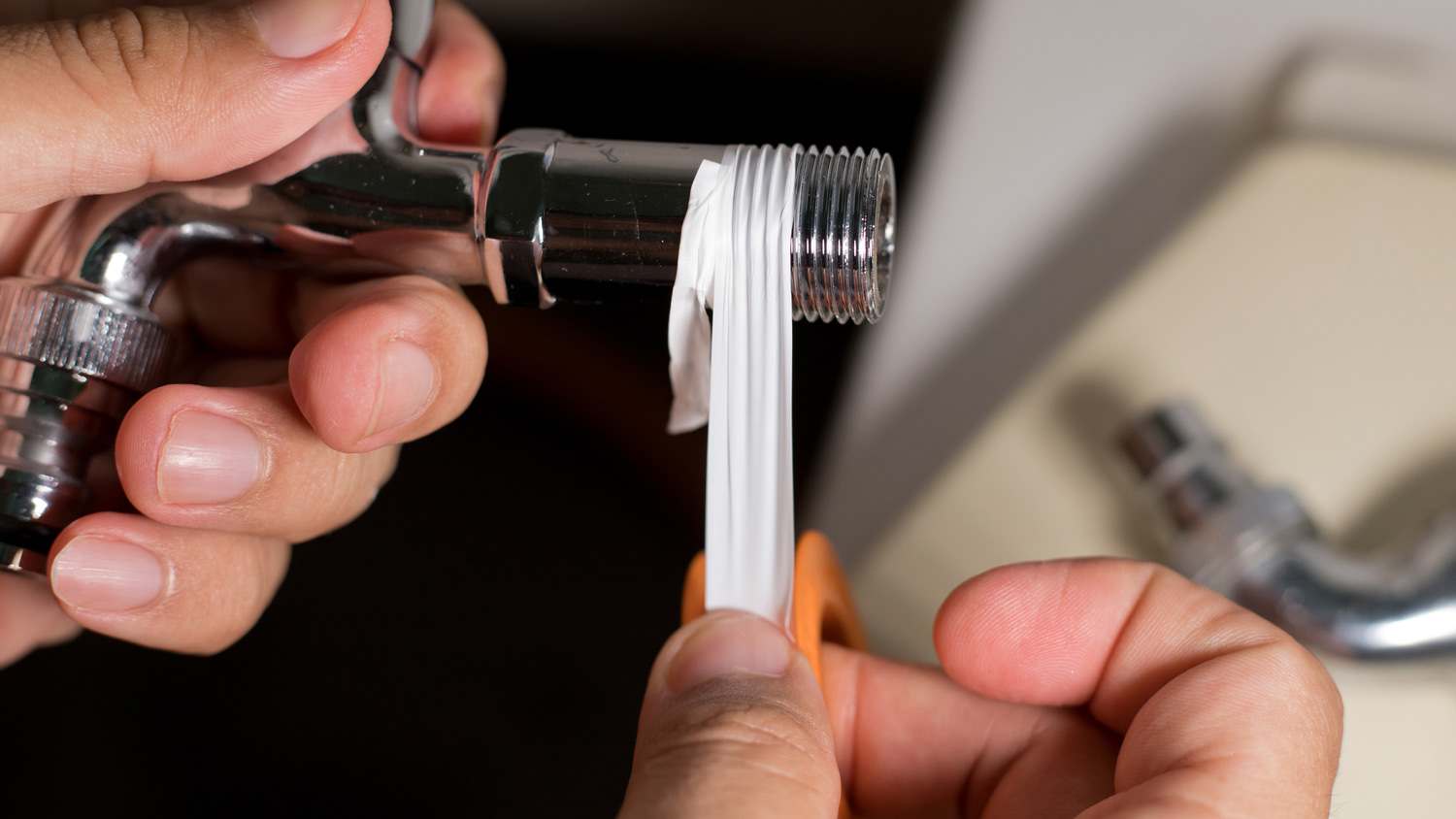
Whether you’re broadening your DIY skills or are a seasoned expert, it’s important to know how to use plumber’s tape. Get the most out of your tape with these tips.