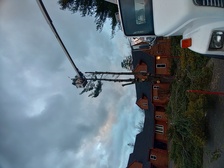
"Just sat with owner Jim and he will probably get the job. Very nice guy, affordable quote too. I wanted to get a second quote but can't find another arborist in my area... Belgrade, Me."
With over 10 years of experience, I take pride in my quality craftsmanship. We are owner operated, and believe in building long-term relationships with our clients by delivering honesty along with exceptional work. We pride our company on reliability, great communication, integrity, and customer service. We are experts in our trade and will do our best to keep you as educated as we can on your particular project. Give us a call today! We look forward to working with you!
Lawn care specialist 10 years experience, 7 years working with commercial clients. Fully insured up to 1,000,000$ general liability/commercial auto and workers compensation.
I am a veteran owned small business. With a high standard of professionalism. My business offers civil excavation site prep and land management from residential to commercial.
"Just sat with owner Jim and he will probably get the job. Very nice guy, affordable quote too. I wanted to get a second quote but can't find another arborist in my area... Belgrade, Me."
24/7 Emergency Services,Fully Licensed, Insured & Workers Comp Protected.With our immense attention to detail and excellent post job clean-up, our family-owned and operated team strives to build excellent relationships with our customers. With an Arborist on staff and a combination of over 64 years chopping experience. From chopping down a tree to cutting it up and carrying it away, our contractors will make it look like the tree was never there. Priding ourselves with our regular communication before, during, and after each tree removal or yard maintenance service, our clients are with us every step of the way. Check us out at 3csprofessionaltrees.com/
We specialize in All phases of construction. Our knowledgeable staff can help you do ANYTHING. If you want it done right give us a call.\nWe have the experience and dedication to get the job done right! Specializing in Remodeling and Handyman services; We guarantee your satisfaction, and we won't leave until the job is done right. We pride ourselves on the quality work we provide, while delivering great customer service! Call or click for your FREE estimate today!\n
Owner-operated. cost is determined by the job. No travel charges. No written contract charges changed without written change order agreed to by customer. May contact through email.
COMING SOON!!
\nWe take great pride in our experience, expertise, quality, and customer service that we provide to meet the consumer's needs. It is our mission to provide excellent workmanship and complete customer satisfaction from start to completion of a project. In order to understand the needs and expectations of our customers, we take great care to work and communicate with every customer in a professional manner. Our reputation is based on service, safety, and quality, regardless of how large or small the job.
\n
\n
\n
If tree branches cross well into your property line, in many cases, these branches become part of your property, and you can trim them up until your neighbor’s property line. However, this issue will vary based on local ordinances, so you should do your research before making any decisions. Better yet, speak with your neighbor about how to handle any tree issues.
If you don’t mind the branches, you can leave them be, but if they’re becoming a hazard, it’s definitely worth having a conversation.
You can start your search for a reputable arborist online by looking for professionals who hold the proper licensing and are fully insured. Next, read through some online reviews to see what kind of service the expert brings to the table, and confirm that they don’t have a history of complaints with the Better Business Bureau. Finally, you can ask the professional for a list of references and then call them to ask questions about the service, professionalism, value, and more that the expert brings to the table.
It’s not always easy to tell when a tree is dying, although signs like dropping branches and brittle bark can sometimes offer clues. It can also be difficult to know whether a tree is dead or dormant, especially if it’s a deciduous tree. You’ll want to wait until a growth season to get a good idea of a tree’s health. When in doubt, contact an arborist for a consultation.
Homeowners are usually not responsible for trees that fall on power lines. Power companies usually have utility easements around power lines, which give them the responsibility to maintain any trees within about 15 to 20 feet of the lines.
Not all leaning trees are dangerous, but they can be a hazard as gravity may eventually cause them to fall. A key factor is whether the lean is new or has been present for a long time. Trees that have grown with a lean for years are not typically an immediate danger, but a sudden lean is a cause for concern as it often indicates weakening roots. If a tree is leaning more than 15% from vertical, you should consider having it straightened or transplanted. To be safe, it's always best to hire a professional arborist to inspect any leaning tree to assess the risk and avoid potential accidents.
The Bryant Pond, ME homeowners’ guide to arboricultural services
From average costs to expert advice, get all the answers you need to get your job done.
How much does an arborist cost? This guide explains the cost of different services, ongoing expenses, and other factors to consider when hiring an arborist.
Arborists are specialized tree care experts. This guide will help you hire an arborist with all the qualifications to give your trees the best care possible.