






Top-rated weed maintenance pros.

Get matched with top weed maintenance pros in Framingham, MA

Enter your zip and get matched with up to 5 pros

Need a pro for your weed maintenance project in Framingham, MA?

Select your specific project to find the pro for you.

TRUSTED BY FRAMINGHAM, MA HOMEOWNERS

  • Average homeowner rating star icon4.5
    Average homeowner rating
  • Verified reviews icon993
    Verified weed maintenance services reviews

Find Weed maintenance pros in Framingham

No results for Weed maintenance pro in

Try adjusting your search criteria.
Weed Services questions, answered by experts

If you spray a DIY vinegar solution that contains high salt, it can disrupt the soil's structure and make it difficult for plants to grow. That's why it's vital to avoid spraying vinegar solution on areas where you are trying to grow plants and flowers. When using a mix of vinegar and soap, some say you can plant a few days after the vinegar dries. 

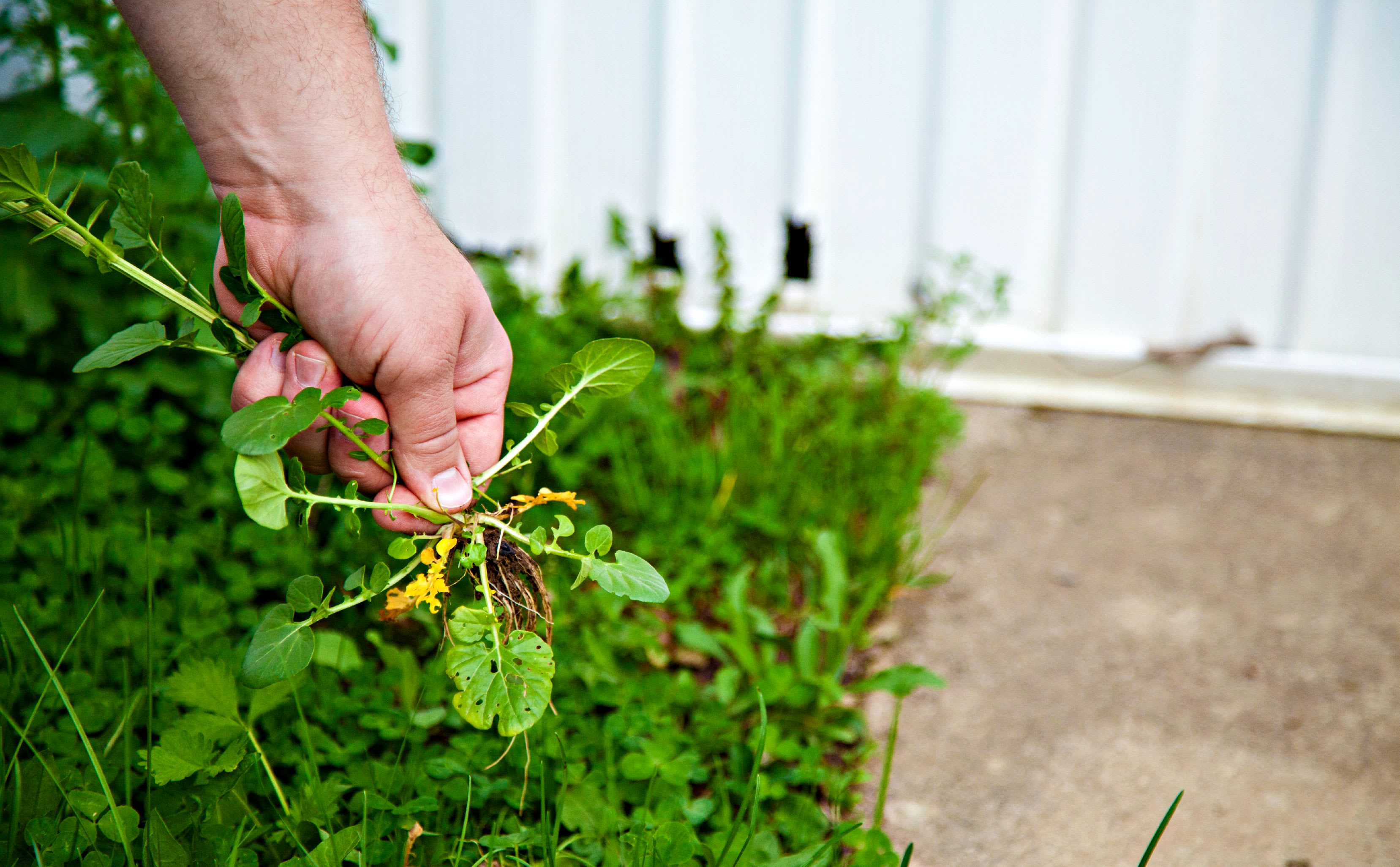
Yes, vinegar can be an effective way to kill individual dandelion plants to help in the hand-removal process. However, vinegar can also kill turfgrass, so use a targeted spray.

You should add 1 to 4 inches of mulch, depending on your garden type and needs. Keep in mind that no amount of mulch can completely prevent weeds, but a heavier coverage (closer to 4 inches) can suppress weeds enough that you are only seeing them sprout every few weeks. Finer mulch prevents weeds more effectively than large mulch, so if you’re using mulched leaves or shredded bark, 1 to 2 inches will likely suffice, while 3 to 4 inches is best for larger mulch, like bark chips or straw.

The best way to prevent weeds is to use polymeric sand, which hardens and blocks weed growth when activated with water. If you're using regular sand, you'll need to refill and compact it more often. Keeping the surface clean and free of debris can also help prevent weed seeds from settling in the joints.

Too much clover in your lawn can indicate several issues with your soil. Clover can thrive in soils with abnormally high pH, low-cut grass, and low nitrogen. Amending these issues can push clover out for good.

Hardy perennial clover loves the low nitrogen and compact conditions that often come with poor, infertile soils. But other factors also contribute to a clover explosion, including drought conditions, cool temperatures, under fertilization, and over-irrigation. You’ll need to evaluate all these elements when planning to kill off the clover.

The Framingham, MA homeowners’ guide to weed maintenance services

From average costs to expert advice, get all the answers you need to get your job done.