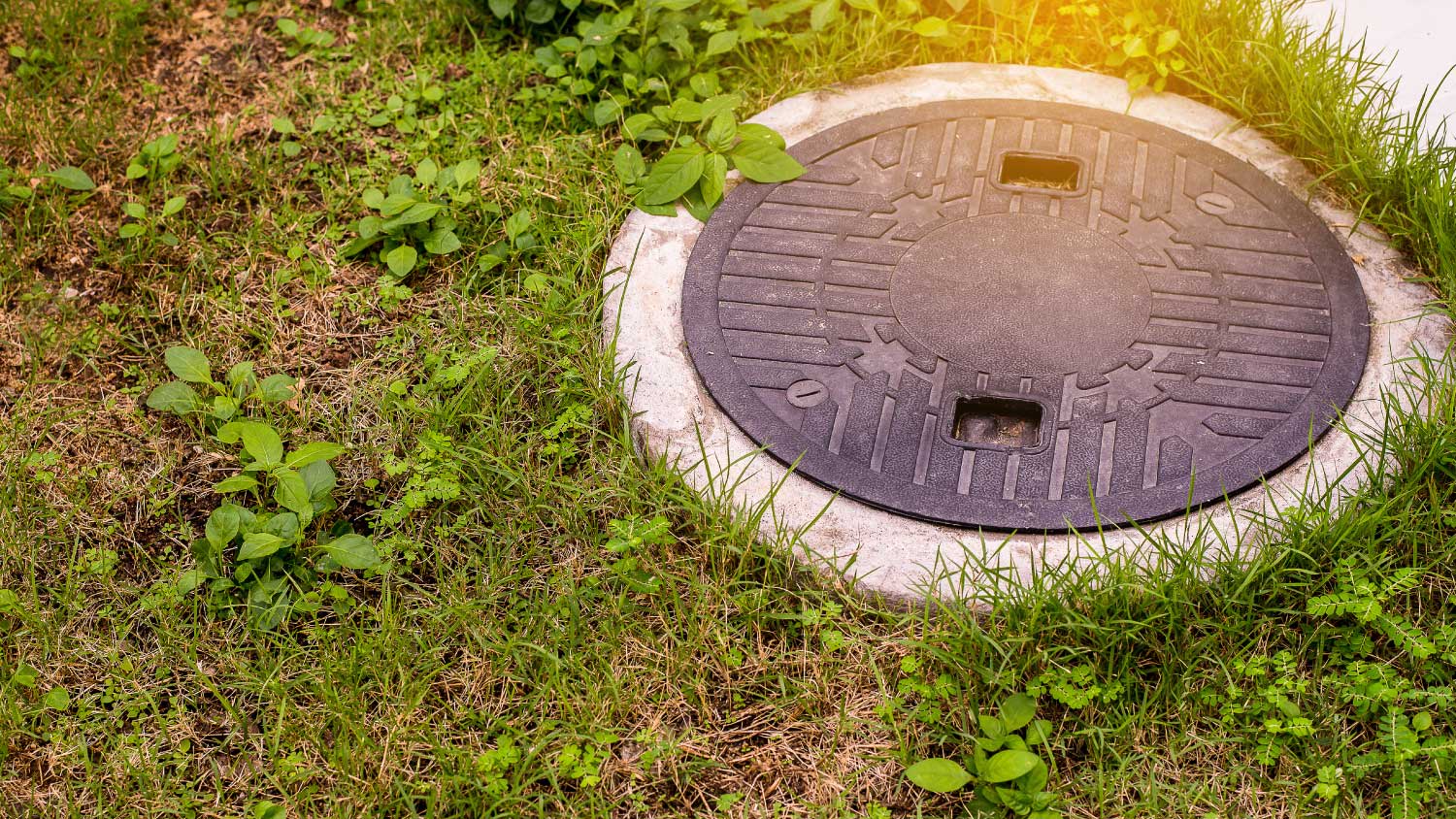







Top-rated septic tank pros.

Get matched with top septic tank pros in Lecompte, LA

Enter your zip and get matched with up to 5 pros

Need a pro for your septic tank service project in Lecompte, LA?

Select your specific project to find the pro for you.

Find Septic tank pros in Lecompte

Septic Tanks questions, answered by experts

A septic tank is an underground container that collects and holds wastewater until it’s sufficiently filtered and broken down. It treats wastewater by separating waste so the leftover liquid can travel into the drainfield where the soil and gravel eventually filter and purify it. This process naturally eliminates bacteria, viruses, and other contaminants.

Common signs that a septic tank is full include plumbing issues, odors, and changes in your yard. You may notice wastewater or sewage backing up into your home's drains, or that sinks, tubs, and toilets are draining slowly. Gurgling or bubbling sounds from the pipes are also a key indicator. Outside, you might smell foul sewage odors around your house or the septic tank area. Look for pooling water, spongy soil, or a marshy environment around the drain field. Another tell-tale sign is a patch of grass over the septic system that is suddenly lusher and greener than the rest of your lawn. If you notice any of these signs, you should contact a septic professional for an inspection and pumping.

The ideal depth of a septic drain field is 18 to 36 inches below the surface. The trenches must be deep enough to allow proper wastewater distribution and filtration while remaining shallow enough for oxygen to reach the soil, promoting bacterial activity that helps break down contaminants. In areas with high groundwater or poor drainage, shallower systems like mound drain fields may be required.

A septic system's lifespan typically ranges from 15 to 40 years, with a common average of 20 to 30 years. The longevity heavily depends on the tank's material, maintenance diligence, and usage habits. With proper care, lifespans can reach the upper end of this range.

Lifespan by Tank Material:

  • Concrete: 20 to 40 years

  • Plastic or Fiberglass: 30 to 40 years

  • Steel: 15 to 20 years

To maximize your system's lifespan, follow these maintenance best practices:

  • Regular Pumping and Inspections: Have the tank pumped every three to five years and schedule professional inspections regularly.

  • Mindful Usage: Only flush human waste and toilet paper. Avoid putting items like cat litter, paper towels, cigarette butts, fats, grease, oils, or coffee grounds down your drains.

  • Avoid Chemicals: Do not pour harsh chemicals into the system.

  • Water Conservation: Reduce the amount of wastewater your system has to process.

  • Protect the Drain Field: Avoid driving or building heavy structures over the drain field area.

It only takes a few days for a septic tank to fill with water after a pro has pumped it. This is completely normal, and the water is a vital part of your septic system’s wastewater treatment process. The water that fills your tank days after pumping is not the same as the tank being filled with waste. You shouldn’t have to pump your septic system more than once every three to five years unless you have a tank that’s too small for your home’s water output or there’s a problem with your leach field. 

The Lecompte, LA homeowners’ guide to septic tank services

From average costs to expert advice, get all the answers you need to get your job done.