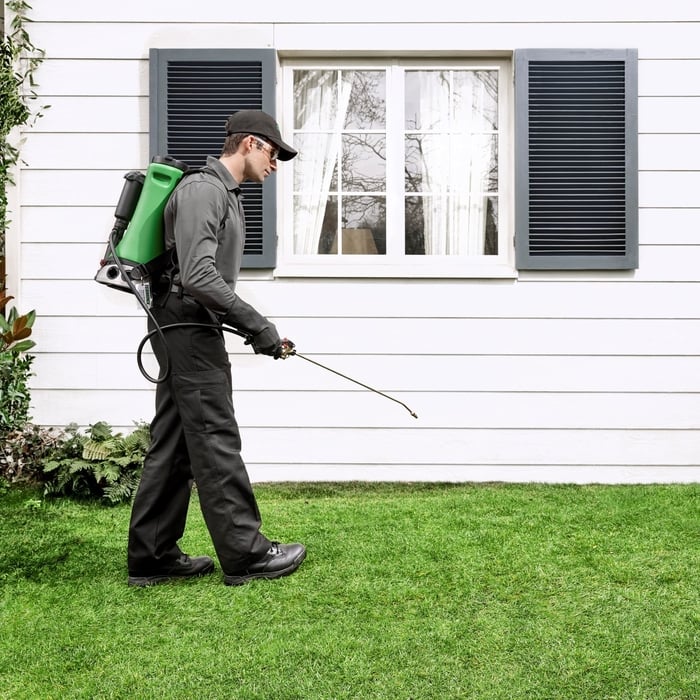
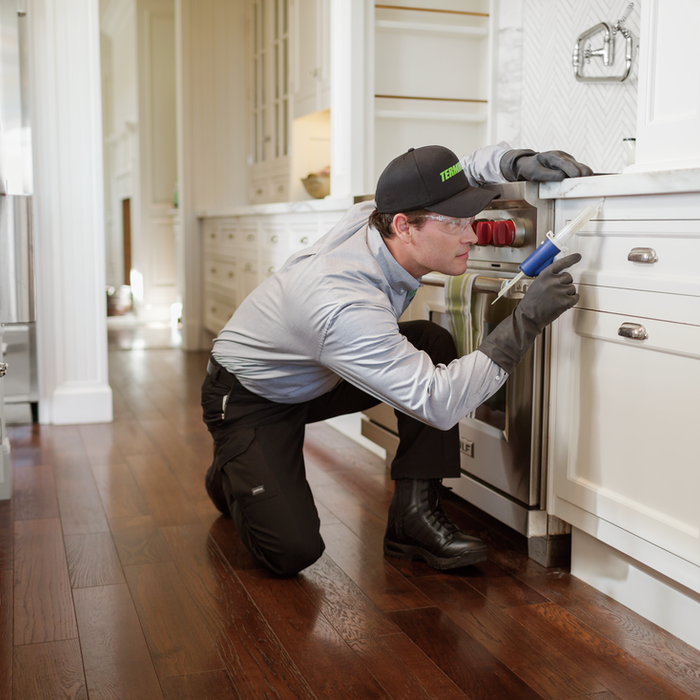
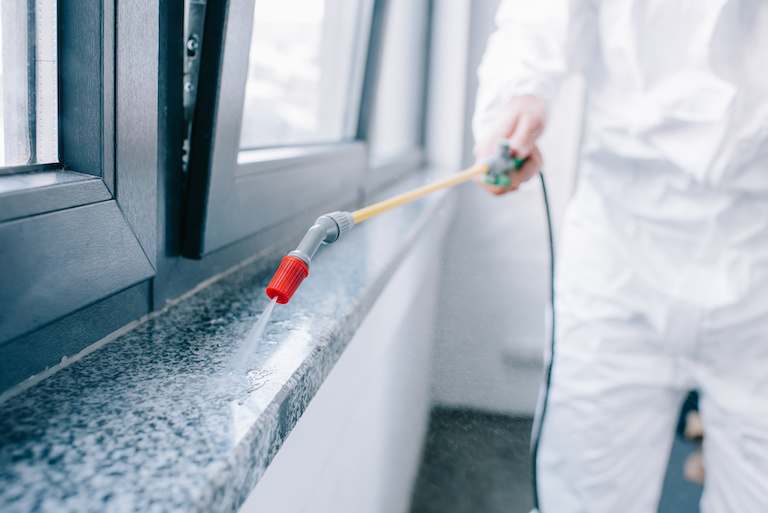
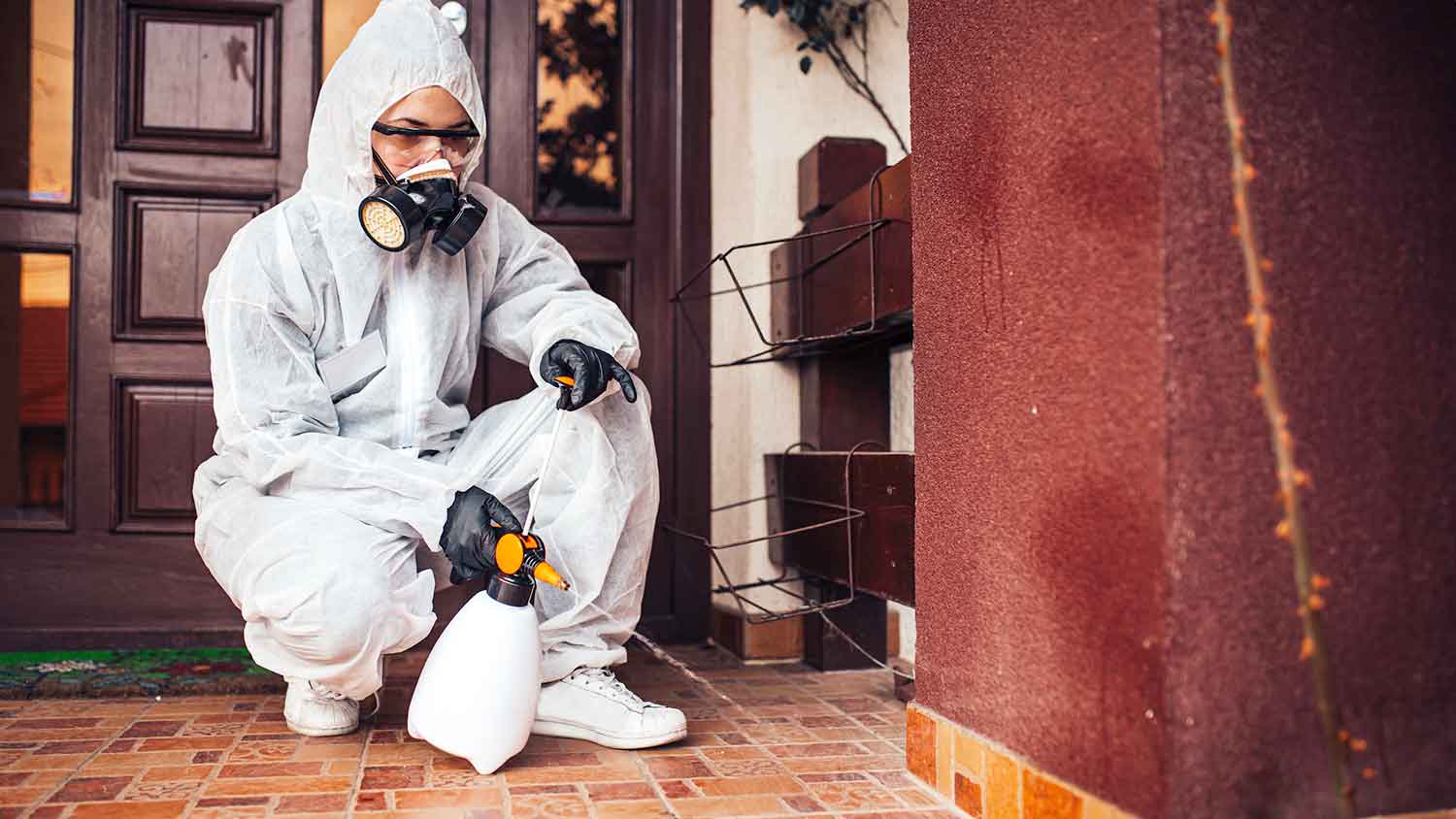
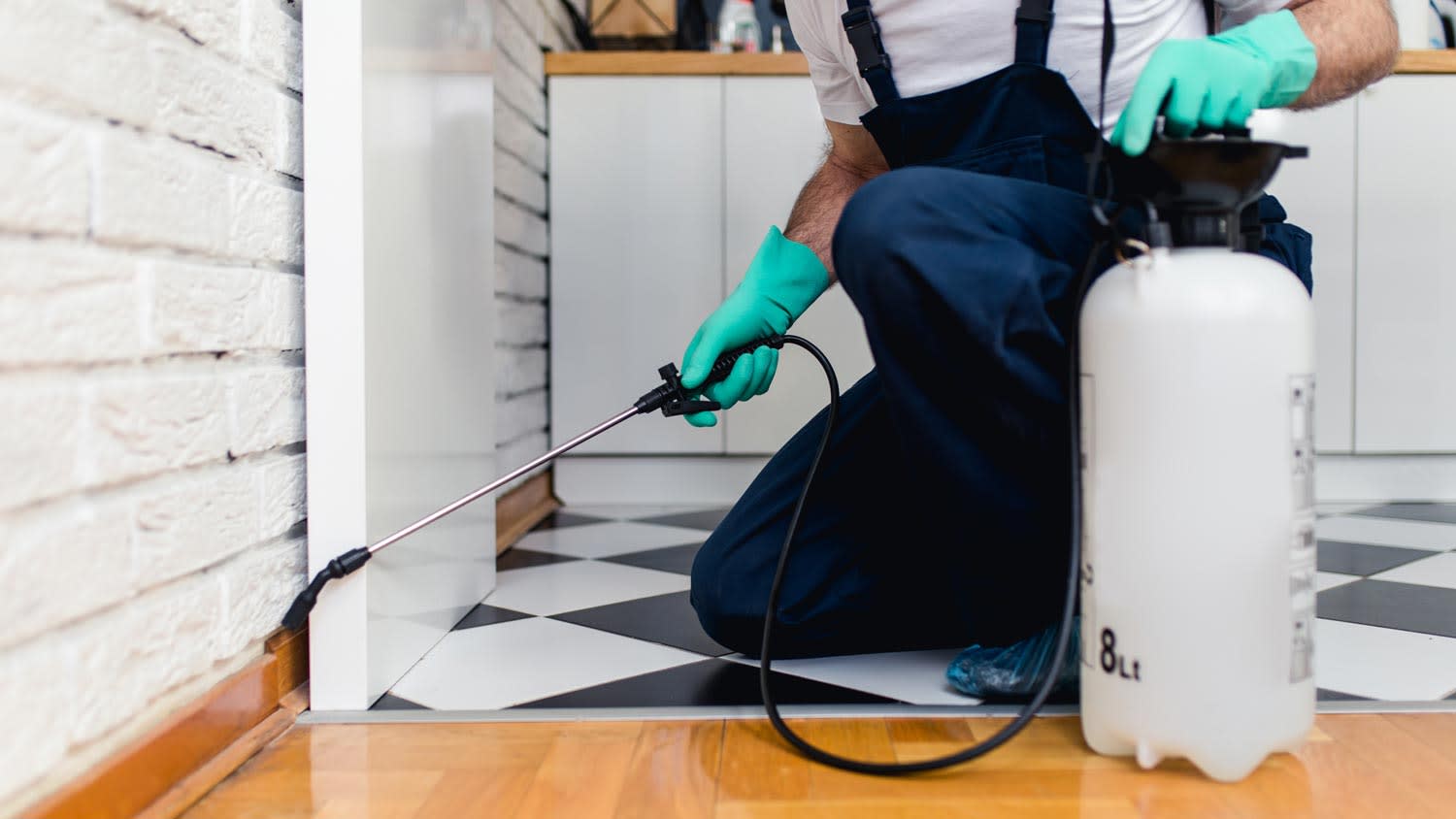
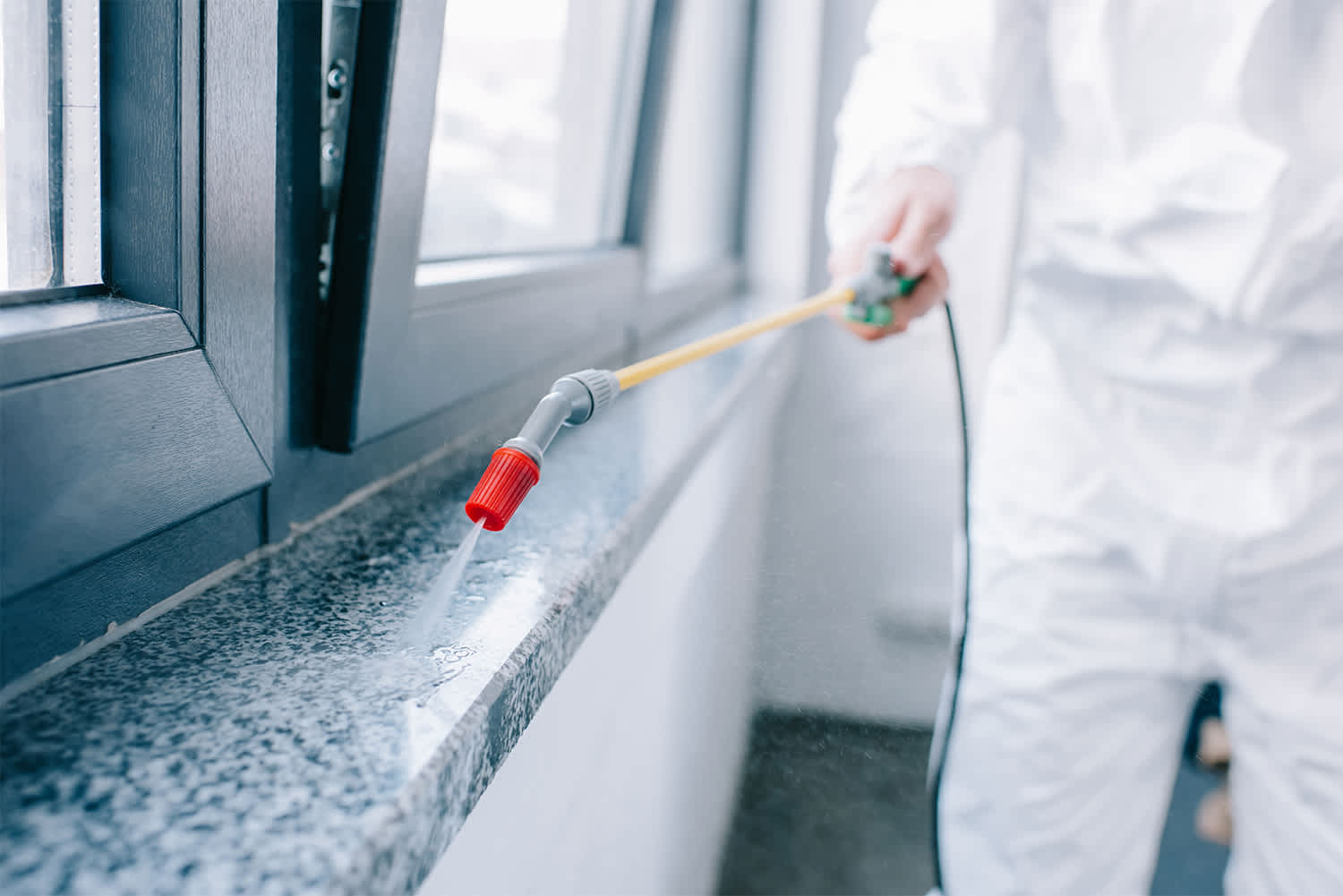
"Very knowledgeable guy who seem to know what he’s doing. Don’t know results of spraying. Have had much rain since. Will have to see if it worked. Terminex will spray again the beginning of next month."
"We found evidence of termite infestation. They responded quickly and inspected property the following day. Price was reasonable and employee was knowledgeable. He explained scope of work and options thoroughly. We added pest control as additional price was very reasonable. Work was performed the following day and we are satisfied with service."
"From sales, termite application, and pest control Price Termite & Pest Control where professional and friendly. I was able to watch the treatments and they were exactly what was explained to me in my first meeting - no deviation or shortcuts. I highly recommend this company"
When it comes to protecting homes, Terminix has satisfied more customers than any other insect and pest control company in the industry, with more than 15 million service visits annually.
"United Air Temp was able to procure a replacement furnace controller board in a couple of days and Zachary was out within 4 days of the initial visit. The furnace now works very well."
If you are not at high risk of contracting disease and take proper safety precautions, it’s considered generally safe to clean mouse droppings on your own. Before handling any droppings, make sure to put on protective equipment such as plastic gloves and a face mask. Individuals who are immunocompromised, have medical conditions, and children should especially avoid exposure to mouse droppings.
There is very limited scientific evidence to support the efficacy of essential oils against bed bugs and they are very unlikely to kill the species. However, a 2021 study published by the National Center for Biotechnology Information (NCBI) found that compounds in essential oils like clove oil, lemongrass, citronella, and bergamot could repel the insects.
While many pests like rats, mice, ants, cockroaches, silverfish, and bed bugs can damage your home, termites are among the most destructive. By sheer dollar amount, the damage from a bad termite infestation is unparalleled, as they can ruin walls, floors, roofs, and wooden support materials, potentially requiring massive reconstruction. Other highly destructive pests include rodents, carpenter ants, and bees that build hives within walls. If you spot signs of termites or other pests, you should hire an exterminator immediately.
Bed bug extermination costs between $1,000 and $2,500 on average. While the price is often relatively steep, this is the best way to eradicate a bed bug infestation as soon as possible. Your total extermination budget will vary depending on the treatment location and the infestation’s severity.
If you’ve ruled out small cockroaches, some other bugs you might mistake for bed bugs are carpet beetles, bat bugs, and booklice. However, they’re usually found in different parts of the home. Carpet beetles are found in fabrics and carpets, bat bugs live in attics, and booklice dwell around books and damp areas.
The Hickory, KY homeowners’ guide to pest control services
From average costs to expert advice, get all the answers you need to get your job done.