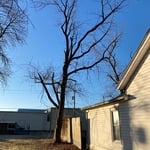
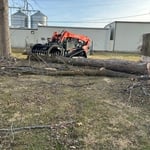
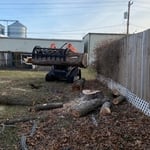
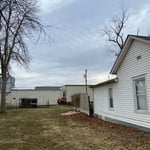
We take great pride in our experience, expertise, quality, and customer service that we provide to meet the consumer's needs. It is our mission to provide excellent workmanship and complete customer satisfaction from start to completion of a project. In order to understand the needs and expectations of our customers, we take great care to work and communicate with every customer in a professional manner. Our reputation is based on service, safety, and quality, regardless of how large or small the job.
After 30 years together, my wife and I bought our pickup and I am now looking to supplement my income by putting my pickup truck to work for me. Whether moving appliances or delivering purchases, I've got the tool for the job.
Worthington Brothers Earthworks is committed to excellence in every aspect of our business. We uphold a standard of integrity bound by fairness, honesty, and personal responsibility. Our distinction is the quality of service we bring to our customers. Accurate knowledge of our trade combined with ability is what makes us true professionals. Above all, we are watchful of our customers' interests and make their concerns the basis of our business.
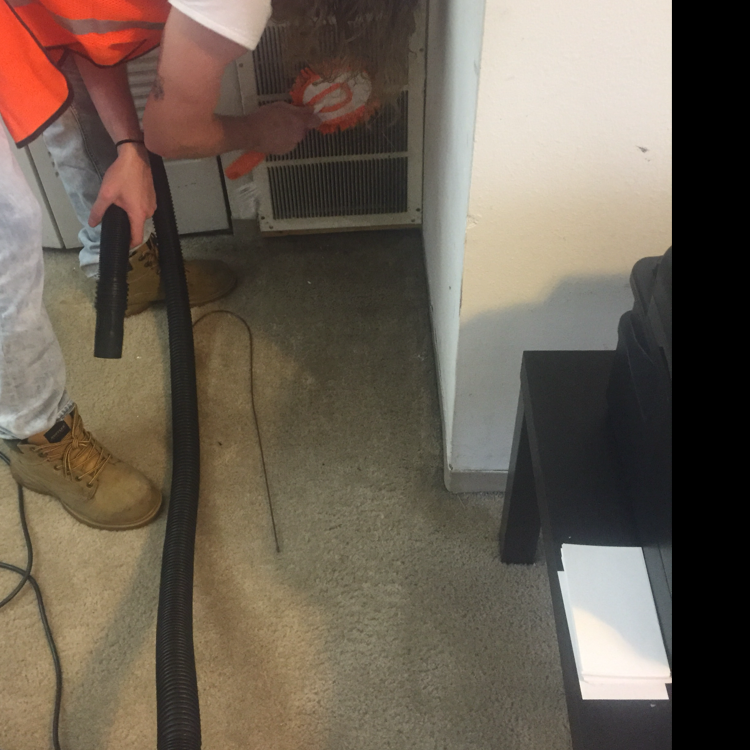
HVAC, general repairs, maintenance, Lawn care, mold clean-up and Remodeling, Debris Removal, Final Cleanings plus more. We have been in business since 1982.
Beer Land Management LLC is committed to excellence in every aspect of our business. We uphold a standard of integrity bound by fairness, honesty, and personal responsibility. Our distinction is the quality of service we bring to our customers. Accurate knowledge of our trade combined with ability is what makes us true professionals. Above all, we are watchful of our customers' interests, and make their concerns the basis of our business.
We take great pride in our experience, expertise, quality and customer service that we provide to meet the consumers needs. It is our mission to provide excellent workmanship and complete customer satisfaction from start to completion of a project. In order to understand the needs and expectations of our customers, we take great care to work and communicate with every customer in a professional manner. Our reputation is based on service, safety and quality, regardless of how large or small the job.
We pride our company on reliability, great communication, integrity, and quality work. We are experts in our trade and will do our best to keep you as educated as we can on your particular task or project. We look forward to earning your business!
We take great pride in our experience, expertise, quality and customer service that we provide to meet your needs. It is our mission to provide excellent workmanship and complete customer satisfaction from start to completion of a project. In order to understand the needs and expectations of our customers, we take great care to work and communicate with every customer a professional manner. Our reputation is based on service, safety and quality, regardless of how large or small the job.
DigMasters is your premier choice for all your excavation needs. With our expertise and state-of-the-art equipment, we deliver top-notch results that set us apart from the competition. Contact us today for professional and reliable service.
If you don’t have a crawl space but have a partial basement you want to make deeper, you can expect to spend a little less—between $40,000 and $90,000 on average. However, if you’re not adding new finished square footage, you won’t see much in the way of ROI.
If you don’t wish to dig it out and convert it into a finished basement, you can still encapsulate your crawl space to protect it from damage for an average cost of $5,500. Finishing a crawl space beyond this isn’t really worthwhile, as the low ceilings mean you won’t be able to use the area as living space.
A perc test can take anywhere from one to eight hours to complete. The total time depends on factors like the amount of excavation required, the depth and width of the holes, and whether multiple test holes are needed. For a single hole, the process of filling it with water and monitoring the drainage rate usually takes less than an hour. Professionals can often complete the entire test in a single day. While it's possible to get results the same day, some companies may take a few days to provide the official report.
To determine whether your homeowners' insurance will cover crawl space repair, consider the cause of the issue. Repair may be covered if the problems were caused by an event that the insurance covers, such as vandalism or a windstorm. However, companies won't cover the repair if the issues are caused by neglect or wear and tear.
You should dig 3 to 6 inches deep for plastic edging. Dig as wide as you need to fit your plastic edging into it—2 inches is usually sufficient.
The Palmyra, MO homeowners’ guide to excavation services
From average costs to expert advice, get all the answers you need to get your job done.
Excavation costs $1,500 to $6,300 for most residential projects—but it depends on factors like the size of the area. This guide will help you plan a budget.
You can't have an in-ground pool without digging into the ground. How much does pool excavation cost, and can you take it on yourself? Our guide explains.
Picking the right pro can make or break your project. Learn how to hire an excavation pro with the qualifications and skillset to do the job efficiently.