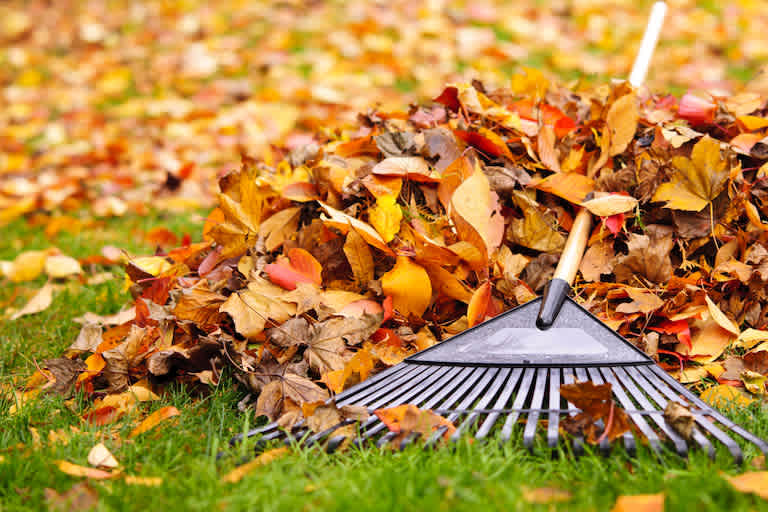
Top-rated leaf removal pros.

Best leaf removal pros near La Grange, IL

Enter your zip and get matched with up to 5 pros

Need a pro for your leaf removal project in La Grange, IL?

Select your specific project to find the pro for you.

TRUSTED BY LA GRANGE, IL HOMEOWNERS

  • Average homeowner rating star icon4.7
    Average homeowner rating
  • Verified reviews icon60
    Verified leaf removal services reviews

Top-Rated Leaf removal pros in La Grange - Updated Nov 2026

Avatar for Crowbar Construction
Crowbar Construction
4.7(
98
)
Waste, Junk, Building Materials and Debris - Remove and Haul

Serving La Grange, IL and surrounding areas

Approved

In business since 2000

Free estimates

Emergency services offered

"The project was to cut up a large section of a tree trunk. Scott and his partner showed up when promised and did exactly what he said he would do. The work was done promptly, professionally and quickly."
Demolition
Room Addition Foundations
Installing a paver walk
Dumpsters small or LARGE
Contract Carpet Vac.

+71

6 neighbors recently requested a quote
Recommended by98%of homeowners
...
Showing 1-10 of 672
Leaf Removal FAQs, answered by experts

Professionals are trained in identifying hazardous materials and utilize industry-approved methods for safe handling and disposal. They adhere to regulatory frameworks to protect health and the environment, ensuring all materials are disposed of safely and responsibly.

According to the Environmental Protection Agency (EPA), hazardous waste is generally classified into four main categories:

1. Characteristic Wastes: These exhibit at least one of four hazardous traits: ignitability (flammable, like gasoline), corrosivity (can rust or decompose materials, like car batteries), reactivity (unstable and can explode, like aerosol cans), or toxicity (harmful when ingested, like lead-based paint).

2. Listed Wastes: These are specific wastes from manufacturing and industrial processes that the EPA has officially designated as hazardous. They include byproducts from processes that use solvents, pesticides, and other chemicals.

3. Universal Wastes: These are commonly generated hazardous items that are subject to streamlined regulations. Examples include batteries, pesticides, mercury-containing equipment (e.g., bulbs), and some lamps.

4. Mixed Wastes: This category includes waste that contains both hazardous and radioactive components, making it subject to regulation by both the EPA and the Nuclear Regulatory Commission.
The EPA enforces hazardous waste laws and ensures people dispose of their hazardous waste responsibly. Depending on where you live, your state’s hazardous waste regulatory agency may also enforce these laws. Individually, it’s up to each household to properly dispose of their hazardous waste.
You can paint over lead paint, or “encapsulate” it with a special paint that includes an ingredient called an encapsulant. The EPA approves encapsulation as a lead paint removal method as long as the paint remains undisturbed. Standard types of paint without an “encapsulant” from the big box stores or hardware stores do not meet EPA standards for remediation of lead-based paint.

Disposing of old paint, bleach, oil, and fertilizer should be handled by a company that specializes in this kind of waste. Many private junk removal companies do not dispose of these items. Because these materials are hazardous to the environment and dangerous to handle or dispose of improperly, you should confirm with your local municipality about places to take hazardous materials for safe disposal. 

The La Grange, IL homeowners’ guide to leaf removal services

From average costs to expert advice, get all the answers you need to get your job done.