
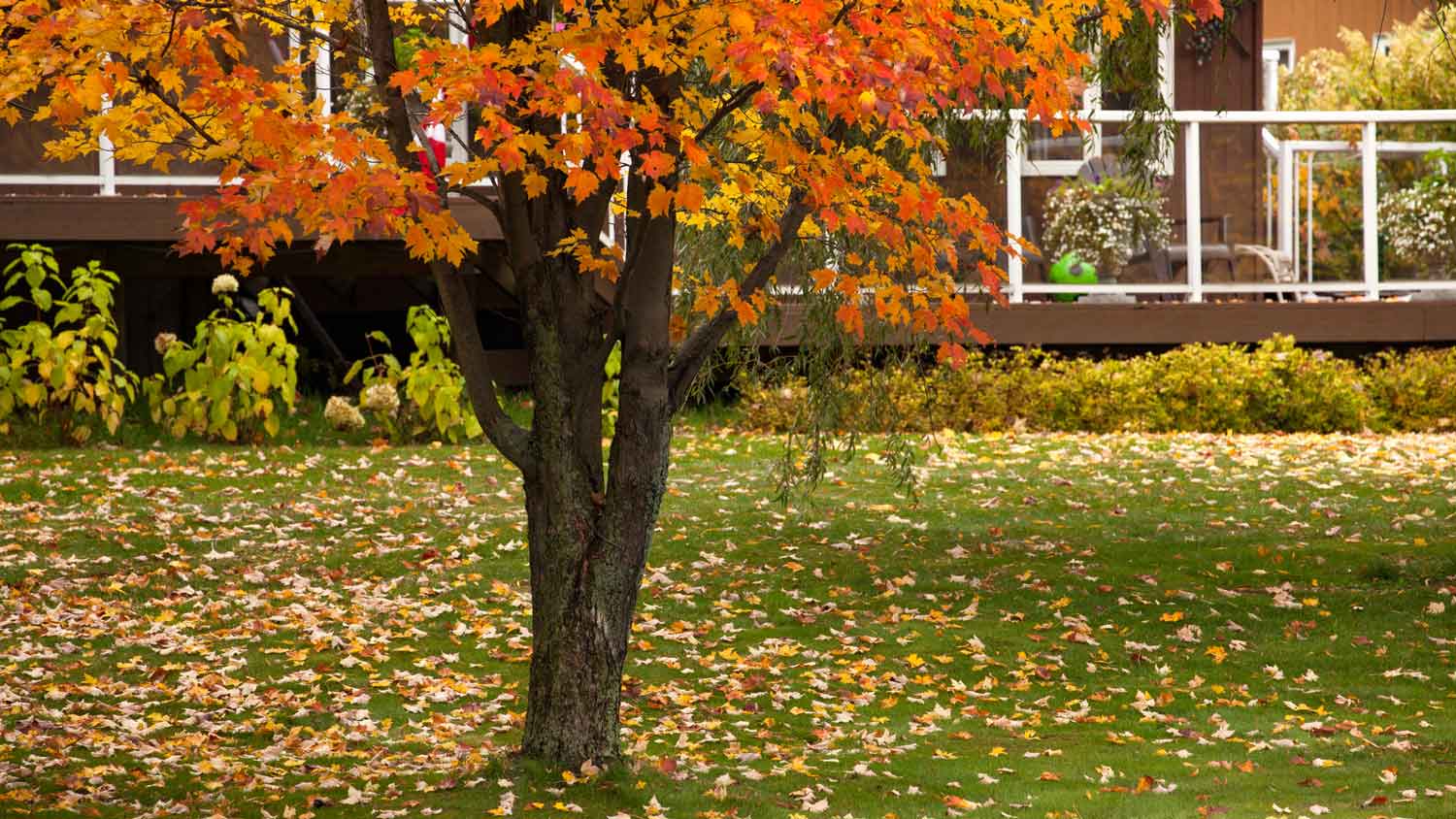
Allowing leaves to decompose naturally can add vital nutrients back into your soil. Learn whether you should rake leaves and why.
Make your leaf piles work for you rather than against you

Piles of leaves left to decompose naturally feed your yard with nutrients and support local wildlife, making them a low-effort, eco-friendly option for light leaf coverage.
Professional leaf removal costs range from $400 to $1,000 per acre, with small yards under $200, so scheduling early helps you avoid busy fall rates.
Mulching leaves with your mower chops them into tiny pieces that act as natural fertilizer, helping your grass stay healthy and reducing the need for chemical treatments.
Hiring a local leaf removal professional handles raking and cleanup quickly, freeing up your time while keeping your yard looking tidy through the busy fall season.
When fall comes around and leaves start piling up, dealing with them can feel like an extra headache, but it doesn’t have to be. Learning what to do with leaves in your yard can help you improve your soil, protect your plants, and even contribute to art projects, all while cutting down on your fall landscaping chores. Our frustration-free leaf cleanup tips explore what to do with leaves in your yard so everybody wins.

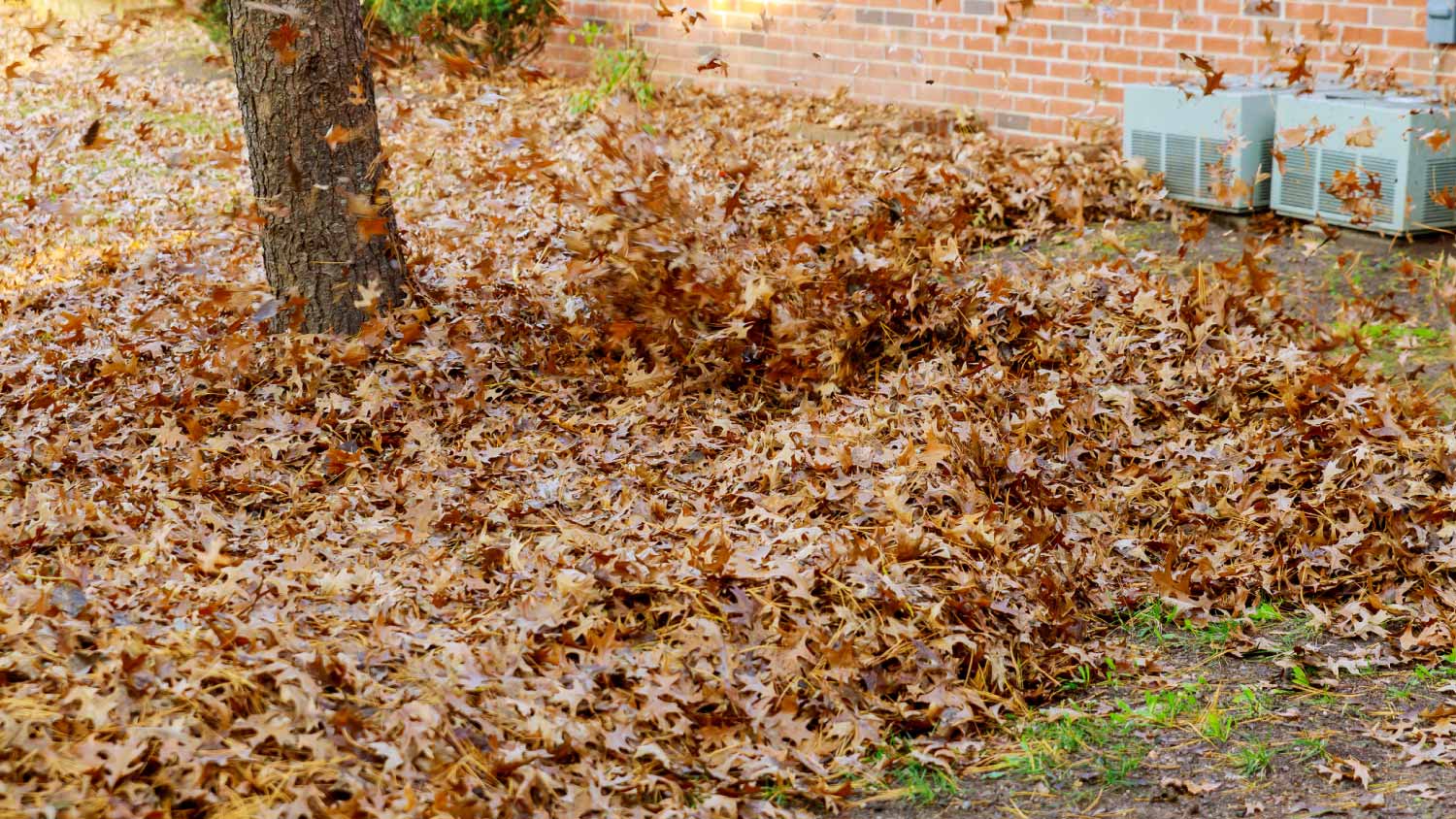
If your leaf coverage is heavy, removing them is best to avoid damage to your lawn like fungal growth, mold, and matting, but for light layers and scatterings of leaves, it’s often best to let them lie. When leaves naturally decompose, they can provide valuable soil components and nutrients for your backyard ecosystem. They rarely do any harm if left to their own natural processes, so leave the leaves for wildlife and save the time you’d otherwise spend raking.
If you compost, don’t underestimate the usefulness of shredded autumn leaves as part of your brown, carbon-rich mix. These leaves provide invaluable nutrients that let your plants flourish, capture moisture in the right places, and even attract beneficial insects when mixed with soil.
You can shred leaves with a dedicated leaf shredder, which you can rent from a local home improvement store. Or you could use a wood chipper if you have one. Gather the chopped leaves and add them to your compost bin.
The catch is that leaves decompose slowly in compost, so you’ll need to let them sit for about six months for full benefits. Let thin leaves, like birch leaves, decompose for at least a season. Thick leaves from maple or oak trees may need a couple of years to mix thoroughly. This trick also works with pine needles, but you’ll only want a small amount of them to avoid upsetting the pH balance of your compost.
You can also take your leaf use a step further and make leaf mold, which doesn’t require a compost setup to create. Leaf mold is a mix of decomposed leaves that you can use as fertilizer for trees in your yard. It helps nurture and protect tree roots and can prevent erosion while returning nutrients to the soil.
To make leaf mold, chop and gather leaves in a container. Even something as simple as a plastic trash bag can work. Seal the container, but allow some airflow through vents or holes. Let the leaves sit for at least six months, then re-mix and wait for another six months. After about a year, you can harvest flaky leaf mold from the bottom of the containers. Mix it into soil around trees and shrubs to create a rich loam.

If you’re not interested in mulching and composting routines, you can take a simpler approach, and move leaves to nearby soil along fences and in landscaping features. The leaves can act like a natural version of bark mulch without the expense. Or you can sprinkle them in circles around backyard trees and let leaf mold develop naturally.
Keep in mind that this strategy will often require ongoing leaf removal work, as the leaves you move to one area will likely make their way back to the area you initially cleaned. Just be prepared for a bit more work.
Do you keep root veggies like carrots or potatoes in the ground over winter? If you have mild winters and well-drained soil, you can keep veggies stored safely in the ground and harvest them as needed.
They’ll often do fine by themselves, but they benefit from extra protection against the elements. Pile your leaves over root veggies instead of spending money on straw or hay. This works for beets and turnips, too.
Autumn arrives just in time for craft projects, whether at school or at home. Dry leaves with pleasant colors make excellent materials for a little artwork. Use them for a watercolor project or decorate and press leaves into bookmarks and other shapes.
For more adult-oriented projects, create a leaf decoupage, use them as part of an autumnal table centerpiece, or work them into a winter-ready wreath for your door. To get rid of even more leaves, gather them and use them as stuffing for stylish garden or porch scarecrows. You can always mulch or compost them after you take down your decor.
Many local governments offer dedicated leaf removal services during autumn, including curbside leaf pickup, blowing services for sidewalks, and drop-off checkpoints for leaves at no extra cost. In many cases, you can simply pile leaves up on the side of your street before the big leaf day without needing to bag them up first.
Look at your city’s website or country’s disposal information to find more details for your specific neighborhood, and plan for a leaf removal day. Pay attention to the details, like how far to pile leaves away from the curb, if you need to remove nearby parked cars, and other requirements.
Some municipalities provide leaf removal services, but if yours doesn't, you still have a few options. Consider composting your leaves or turning them into organic mulch. Never burn your leaves, though --- this is not only a fire hazard but the smoke can be harmful to your health and the environment

A leaf blower or blower attachment for a vacuum with a blow mode can make quick work of dry leaves. Blowing leaves is an excellent way to quickly get them off your sidewalk, driveway, patio, and paths before they can get slippery. You can blow leaves into piles for easier bagging or send them toward the dirt and let them happily decompose on their own.
Before taking a blower to your leaves, check city ordinances and your HOA (homeowner’s association) bylaws. There are sometimes rules against blowing leaves into the streets.
If you’d rather avoid leaving leaves to decompose, grab a rake and get ready to bag them. This very traditional option benefits from some upgraded supplies. Consider using sustainable polypropylene bags to gather leaves and take them to the trash—they’re better for the environment and are also tear-proof and reusable.
You can also grab seasonable paper lawn bags made from recycled materials as a green alternative to plastic bags. If you’re planning a trip to the dump, check your local landfill rules. Some landfills have begun refusing yard materials like leaves, so you might need to arrange for another drop-off spot.
You can also hire a professional to remove all of the leaves from your yard to save time. Most companies will offer raking and bagging services.
If you have a large volume of leaves scattered over your lawn, a quick way to get your property looking clean again while also providing some benefits to your grass is just to go over them with a mulching lawn mower or a standard mower without a bag attached. The blades will chop up the leaves and leave tiny leaf particles over your lawn. These act as a natural mulch for your grass, gradually adding necessary nutrients over time.
This is a great option if you’d otherwise pay for lawn fertilization in the spring, as by that time, the leaves should naturally decompose and feed your lawn. If you’d normally pay for fertilizing services, it might be worth it to pay a leaf removal company to mulch instead. You’ll get similar benefits and avoid the use of chemicals.
The leaf mulch over your yard can also make it more challenging for weeds to take root. It can also hold in moisture and warmth through the winter to encourage cool-season grasses to grow and thicken.
As you can see, you’ve got plenty of DIY options to take care of your yard leaves. But if there’s already enough on your plate, you can hire a leaf removal company near you for yard cleanup.
Many local landscaping companies will offer leaf removal around the fall months, vacuuming or quickly raking leaves away, so you should have no shortage of options when it comes to who to hire for yard work in the fall. Leaf removal costs between $400 and $1,000 per acre. For a small yard, costs can fall under $200. Schedule as early as you can based on what you know about your trees because this time of year can get very busy for the pros.
One of my old tall evergreen trees was suddenly leaning toward the busy street in front of my house. I submitted a request for an emergency tree inspection, and Alejandro, owner of Cajete Tree Service, contacted me immediately and arrived to look at it just 20 minutes later. We agreed the...
 Cajete Tree Service LLC
Terrible experience. Walls/trim/floors/cabinets/doors all have drip marks, overspray, etc. Tiling at the fireplace had to be redone by another vendor due to incorrect and shoddy install by Profect. Contractor had his children in our house while he was on site without prior authorization or...
 Profect painting & exteriors
Wonderful. I am going to have them remove and replace my driveway in the spring.
 All Star Paving and Sealing
Lyle did a great job removing asbestos shingles from our front porch roof. They worked together with our roofer to make sure that the new roof was able to be installed on the same day that Lyle removed the asbestos shingles.
 Lyle Environmental
Involved an extensive bathroom remodel, including removing tub & installing walk in shower, new drywall, custome tile work to ceiling, plumbing, etc. Overall, job was done on time and on budget. Nick & his team were very professional and had high attention to detail. Quality was great. Highly...
 Stamos Flooring and Remodeling LLC
Extremely well. Ohio Tree Care is my go to company for all tree care and snow removal services. they are professional, knowledgeable and affordable. I manage five camps in 33 counties and Ohio Tree Care has serviced every one of our properties. Highly recommend.
 Ohio Tree Care Inc
A team of 2 spent 5 hours, cleaning top to bottom (removed all light fixture and cleaned.... impressive!!!)
 Luzia's Cleaning
Great Job!!! Martin called me after I requested a estimate on Home Advisor. He was very professional and actually went the same day and looked at the tree I needed removed gave us a estimate and I felt it was very aggressive so I did not even call for any other bids. I asked him how soon he...
 Reyes Tree Service LLC - Home Facebook
Removed various items (furniture, lamps, other junk) from my home. They were on time, personable, professional, etc. I can't say enough positive things about this company. <br />
The task proved more difficult than anticipated. When they arrived the first day, they had no tools with them at all, and had to make a run to purchase appropriate tools. It was quickly determined that the paper had to be steamed off, and neither the workers, nor the company itself, had...
 ABS Interiors of Mid-Ohio LLC
From average costs to expert advice, get all the answers you need to get your job done.
Allowing leaves to decompose naturally can add vital nutrients back into your soil. Learn whether you should rake leaves and why.
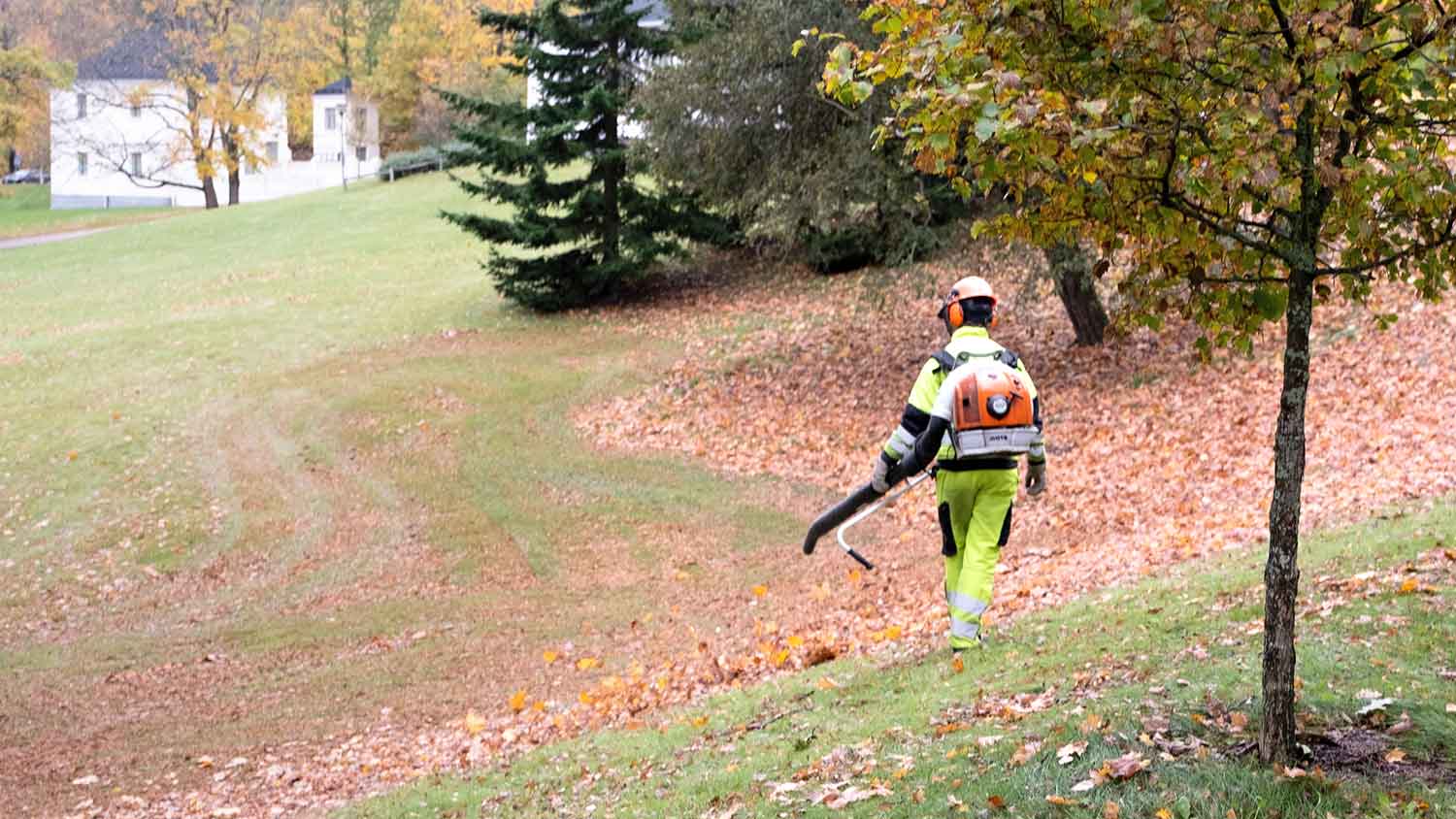
A leaf removal service can clear your yard of fallen leaves. Learn why to hire a leaf removal service, what to look for, and how the service works.

If your yard gets covered in leaves, you need the help of a trusty leaf blower. Follow our guide to blow leaves where you want them to go.
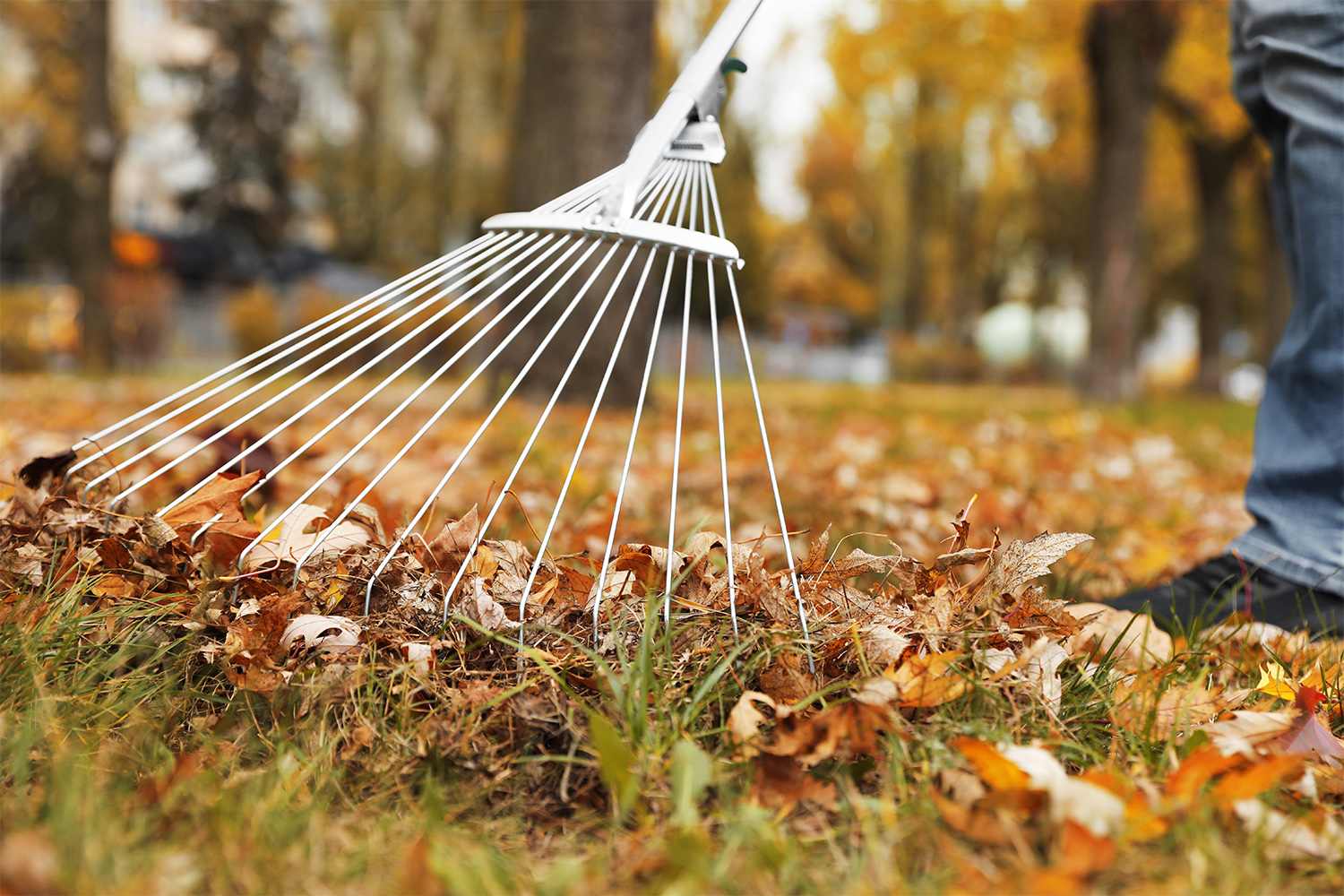
Raking leaves can be a tiring task. Learn the best way to rake leaves to make the job easier and benefit the environment.
What happens if you leave leaves on grass? Find out why some leaves can help your grass and how you can keep your lawn in good condition all year long.

Learn how to remove yard waste properly and efficiently with these methods.