
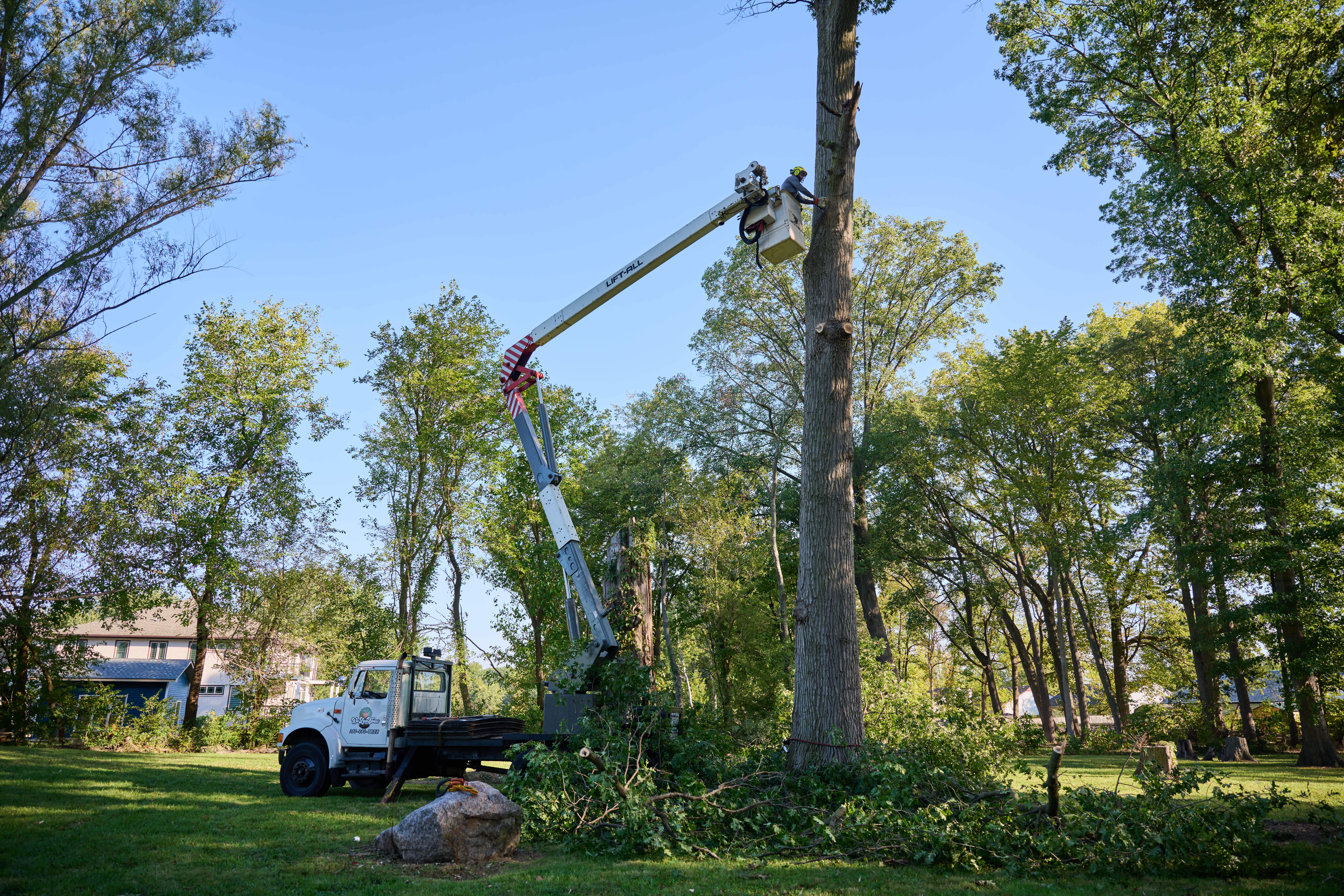
The most significant factor in tree removal costs is the amount of debris. Read on to learn more about the average tree debris removal costs in Chicago, IL.
Tree service costs depend on your project and location. Check with a local pro for your specific job.

Chicago’s small lot sizes, alley access, and tightly spaced homes often require careful, methodical tree removal instead of quick felling, which can drive up labor costs compared to more open suburban areas.
Older, wider, and taller trees like Oaks and Maples are more complex to remove, increasing costs.
Trees located near garages, fences, and other structures often require a more careful and involved removal process, increasing labor costs.
Whether it’s for removing a hazardous tree hit by high winds or reclaiming valuable green space, tree removal services are a common necessity in Chicago. The average tree removal cost in Chicago, IL ranges between $207 and $2,072, with most homeowners paying around $777, depending on factors like tree size, location on the property, and accessibility for equipment. Here’s a closer look at what you can expect to pay for tree removal in the Windy City.
If it’s the right time to cut the tree down, here are the main factors to consider when planning your budget for tree removal in Chicago, Illinois.
A tree's size affects several main tree removal cost factors—how long it takes to cut down, the accessibility to higher branches, and possible interference from other trees, power lines, or structures. For example, take a look at the primary tree removal price ranges by size:
| Tree Size | Average Cost |
|---|---|
| Up to 30 feet | $150–$450 |
| 30–60 feet | $450–$1,200 |
| 60–80 feet | $800–$1,500 |
| Over 80 feet | $1,000–$2,000 |
The price tends to increase once the tree grows over 80 feet high. At this stage, your team will need to bring in a crane to access its branches, which will cost about $500, including the truck rental and additional staff.
Also, keep in mind that trees get wider with age, and the larger trunk diameter makes the tree removal process more difficult and time-consuming. In many species, branches and root systems also expand quite far in either direction, adding up to a possible multi-day project to safely remove the tree from the area without affecting other utilities.

Some trees can grow to a very stately 100 feet tall or more. American ash, bur oak, and maple are considered to be more difficult to remove than others, and therefore, removing them costs more. Here are the costs for various types of tree removal:
| Type of Tree | Average Removal Cost | Important Details |
|---|---|---|
| Oak | $200–$2,000 | Some states forbid the removal of these heritage trees |
| Japanese Knotweed | $2,000–$10,000 | Highly invasive shrub, some states prohibit their possession |
| Aspen | $1,000–$1,800 | Enormous poplar tree, have complex root systems |
| Pine | $250–$1,500 | Older pine trees may have a tap root buried in the soil, requiring specialist removal |
| Palm | $650–$1,500 | Extremely heavy, expensive to remove |
| Maple | $250–$2,000 | Can grow 100 feet high and have large branches |
| Ash | $250–$1,800 | Striking leaf colors in Autumn, can reach 80 feet in height |
| Cedar | $250–$1,500 | False cedars are common in North America while “true” cedars are native to places with high altitudes |
Most of the time, you aren’t going to want to keep the tree stump after the tree is removed, and it’s more affordable to include it in your service rather than paying for the separate cost of stump removal later on. Removing a tree can also leave behind a trail of branches, bark, leaves, and the tree itself. The company might haul away your tree for about $70, put it through a chipper for an average cost of $95, or split it into firewood for your home at about $70.
Locations in Chicago with tight or difficult-to-access trees take more time and labor, which will increase costs. For instance, if trees are located close to homes, garages, fences, or alleyways, this can make it more challenging to maneuver equipment, plus it calls for a more careful and labor-intensive removal process to avoid any collateral damage.
While it’s possible to learn how to remove a tree, tree felling can be unpredictable and extremely dangerous, so it’s best to enlist the services of a tree removal pro. These are the main factors that impact your cost for professional tree removal services in Chicago.
Tree removal costs in Chicago are comparable to the national average, with slight increases due to factors like higher costs of living in metro areas and accessibility challenges. Homes in densely packed neighborhoods or areas with limited equipment access may see slightly higher labor costs, but the overall pricing remains in line with national norms.
On private property in Chicago, tree removal and general landscaping work typically do not require a permit. However, projects tied to larger construction or site work must follow strict tree protection guidelines, especially when excavation or grading is involved near structures or the public way. For larger development projects, a tree removal permit is only issued if the City of Chicago determines that all reasonable efforts have been made to avoid removing the tree through design changes or alternative construction plans. In any case, trees and plants in the public way must be protected, and cannot be removed without approval from the City.
Tree removal companies in Chicago are typically required to carry liability insurance and workers’ compensation coverage. Many also employ ISA-certified arborists, which ensures proper tree handling and safe removal practices, but often comes with a higher cost.
Removing trees won’t have a major impact on your Chicago home’s value unless they’ve become a major eyesore or safety hazard. However, if you’re looking ahead rather than planning to sell immediately, keep in mind that rogue tree roots can damage foundations, sidewalks, and surrounding structures, potentially leading to expensive repairs and plummeting home value down the line. Removing hazardous or poorly placed trees can help prevent these problems and maintain your home’s long-term structural integrity—and, by extension, its value on the market.
To help homeowners plan their next project, Angi provides readers with carefully researched cost data and upholds strict editorial standards. We start with national average project costs, which we collect by analyzing competitor information, retailer material costs, and input from professional contractors. We then apply local price index data to calculate location-specific estimates that reflect what homeowners typically pay in their local area. To do that, we use data from the U.S. Bureau of Economic Analysis (BEA), including its Regional Price Parities (RPPs), which measure price differences across cities. This helps us account for differences in labor, materials, and overall cost of living, so estimates in higher- or lower-cost areas better reflect real-world local pricing.
Every estimate undergoes a thorough editorial review to verify accuracy, consistency, and alignment with observed market conditions.
Want to help us improve our cost data? Send us a recent project quote to [email protected]. Quotes and personal information will not be shared publicly.
A heavy tree branch crashed onto our addition during a storm leaving us desperate for roof damage repair. Water was actively dripping into our sunroom making speed essential. The team responded away securing the structure before outlining a complete flat roof repair plan. Because structural...
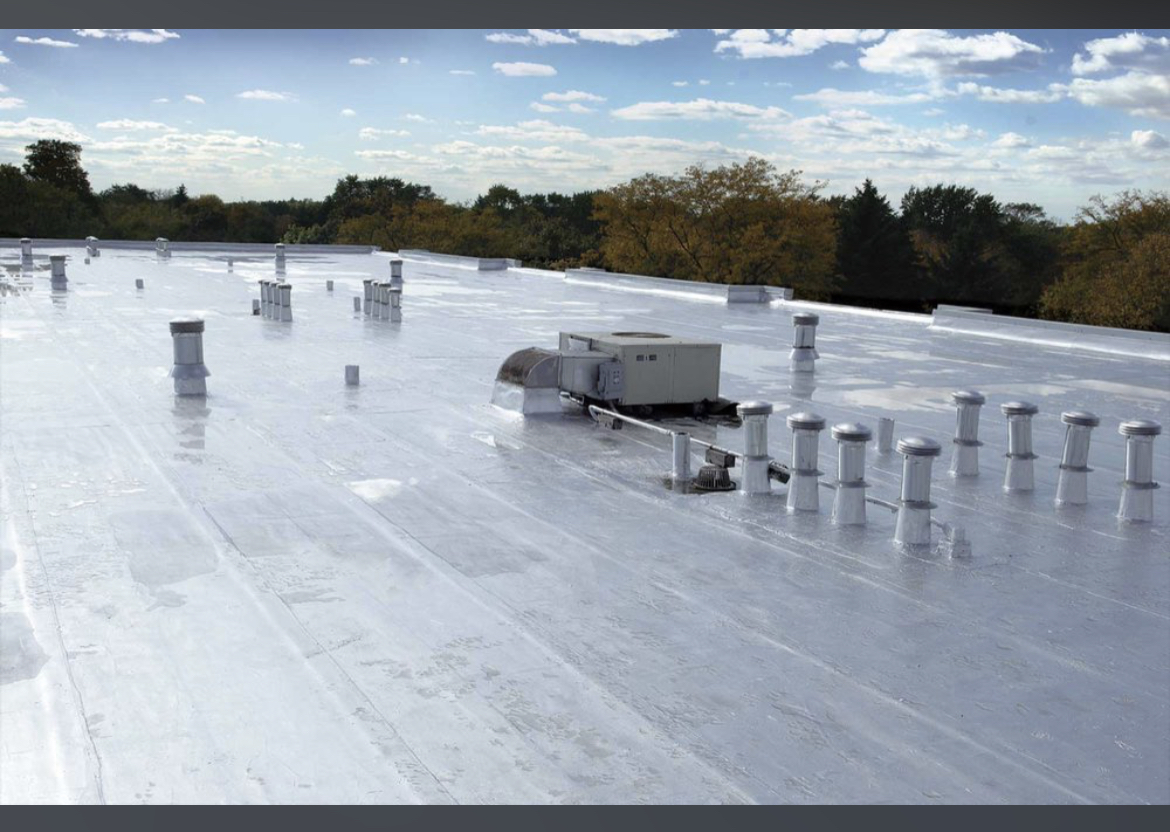 Chicago Flat Roofing Contractors
The company it very personal they to climb the tree, tie up the branches, and cut it into small pieces to make it safe.
 TX Pacific Tree Services
Great service and great experience.
 Flowing Through Connections, Inc.
Very thorough, knowledgeable and efficient service
 Connolly's Home Repair Services
Excellent service was provided from when we requested an estimate to the day the crew arrived at our new home, unpacked and arranged everything. Best service.
 Online Movers & Storage
I appreciate tree services that demonstrate professionalism in their interactions. Torres Professional Tree Care provided excellent service. Thank you for your service!
 Torres Professional Tree Care
Best customer service I’ve ever received.
 Davis Home Improvement Services
Very exceptional service with great people. They have reasonable pricing as well.
The best service hands down Iâ ve ever worked with. She had the attention to detail and even makes recommendations on where to improve and even replace at times. Great service all around!
Excellent service and great job
 686 Wire Up LLC
From average costs to expert advice, get all the answers you need to get your job done.
The most significant factor in tree removal costs is the amount of debris. Read on to learn more about the average tree debris removal costs in Chicago, IL.
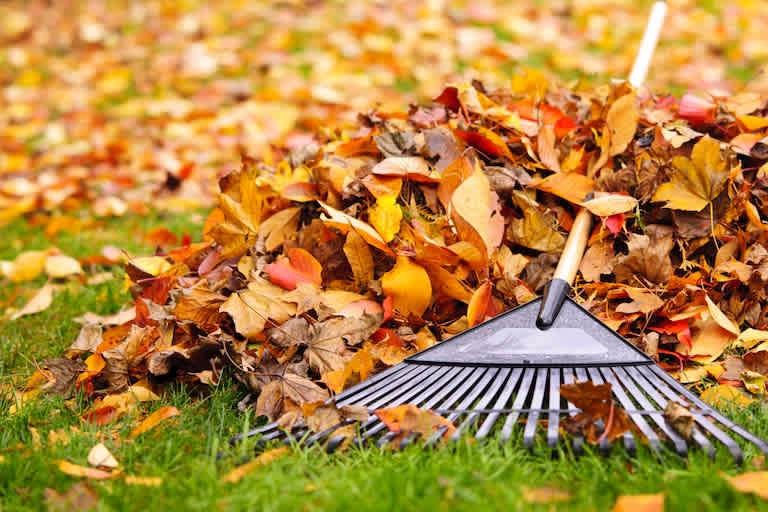
Find out the average leaf removal cost in Chicago, IL. Learn what you can expect to pay for local yard clean-up services and get your lawn ready for winter.
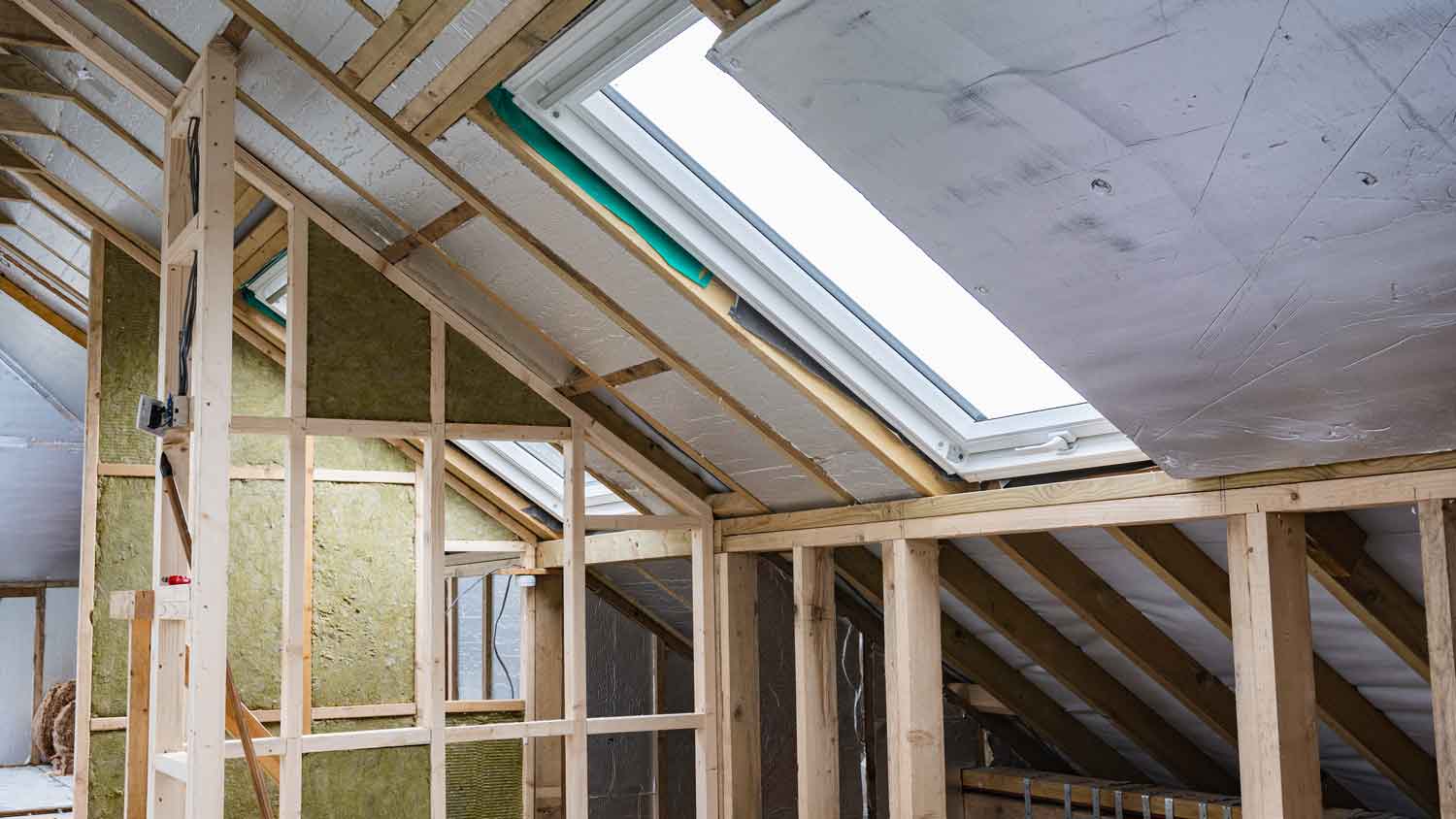
Asbestos removal costs vary based on location, the size of the job, and if there is any underlying damage. Learn what has the biggest effect on the cost in Chicago, IL.
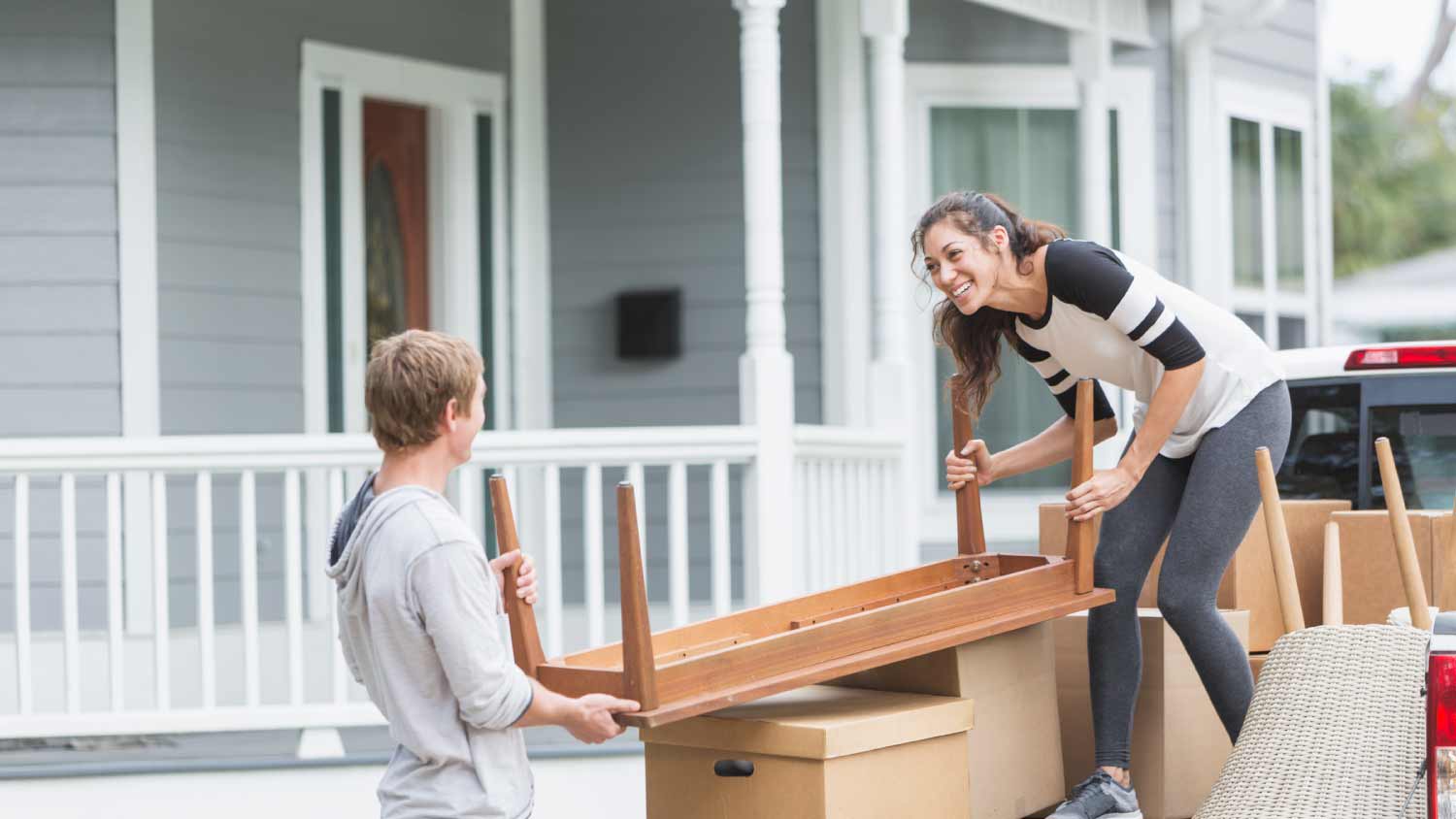
Find out the average junk removal cost in Chicago, IL. Learn what you can expect to pay for local hauling services and get your home clear of clutter today.

If you discover a wasp nest near your home, you’ll want to remove it ASAP. Learn about wasp nest removal costs in Chicago, IL in this guide.
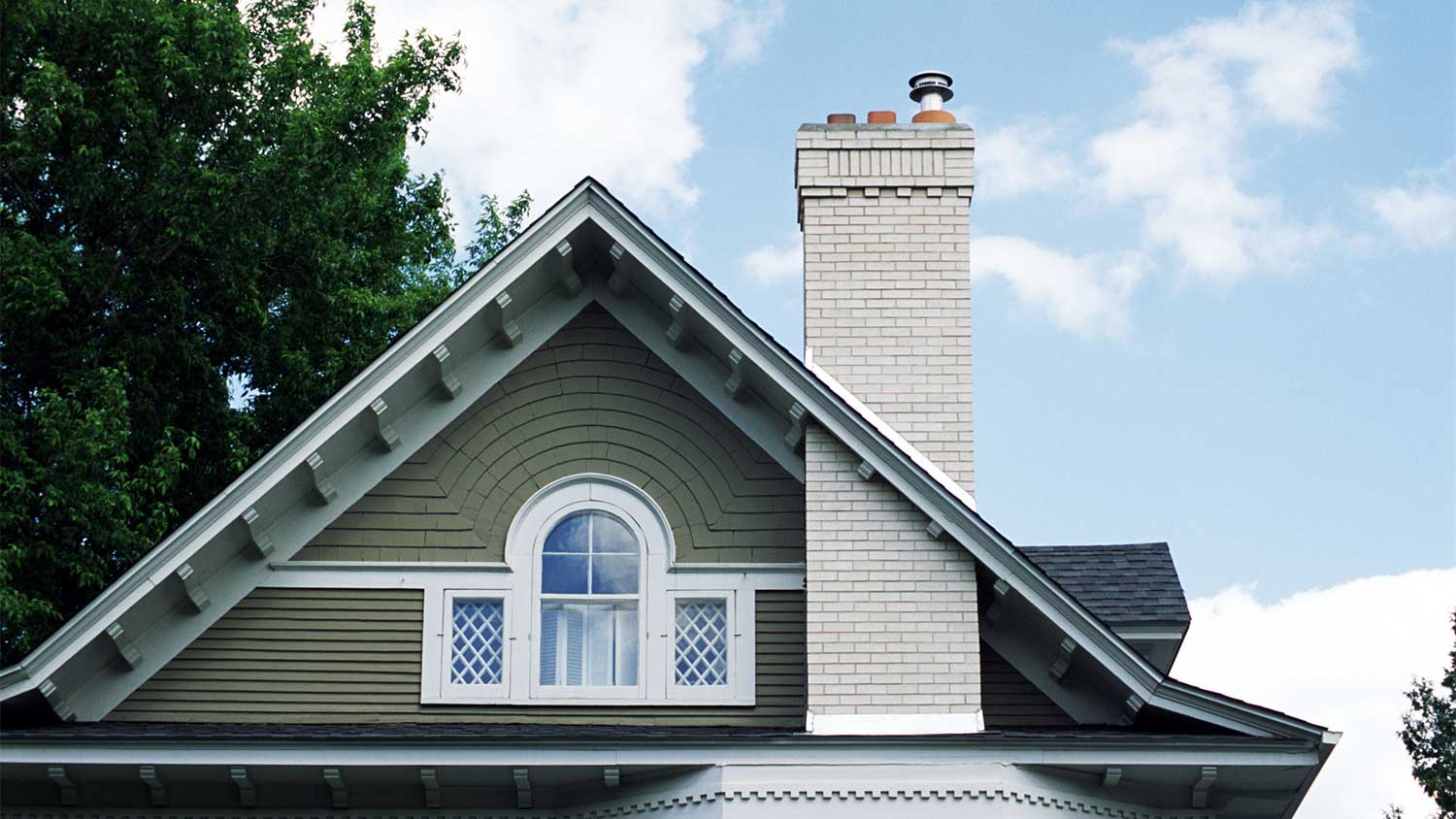
Find out the average bat removal cost in Chicago, IL. Learn what you can expect to pay local wildlife control services to safely exclude bats from your home.