

•
Get expert insights on lead paint inspection costs, including key cost factors and ways to save. Learn what affects your estimate and how to budget effectively.
Lead testing and removal costs depend on your project and location. Check with a local pro for your specific job.


Professional lead paint removal runs $1,478 to $5,520, based on your home size and removal method.
Your total depends on your chosen approach, encapsulation, enclosure, full removal, or replacement for damaged surfaces.
You should budget $300 to $5,000 for cleanup, hazardous disposal, air testing, and surface repairs after abatement.
Hiring a local lead removal professional keeps your household safe from lead dust and meets legal safety requirements.
This article was created using automation technology and thoroughly fact-checked and edited by an Angi Editor in accordance with our AI policy.
In 2026, the national average cost for lead paint removal is $3,499, with most homeowners paying $1,478 to $5,520 depending on home size, removal method, and labor rates. The total often breaks down to $6 to $17 per square foot. Your final bill will be shaped by the approach you choose—encapsulation, enclosure, full removal, or surface replacement—along with post-abatement cleanup and disposal.

Several key factors shape your lead paint removal cost, and knowing them upfront helps you plan and avoid surprises. The main drivers include the removal method, home size and complexity, material needs, labor rates, and prep work.
The method you choose for addressing lead-based paint is one of the most significant cost factors, with options ranging from encapsulation (the most cost-friendly option) to full replacement (the most expensive). Encapsulation seals lead paint behind a special coating, while enclosure covers it with a new surface. Full removal strips all lead paint from surfaces, and replacement involves removing and installing entirely new materials. The table below breaks down lead paint removal costs by method:
| Removal Method | Average Cost in 2026 |
|---|---|
| Encapsulation | $6–$10 per sq. ft. |
| Enclosure | $8–$16 per sq. ft. |
| Full removal | $10–$17 per sq. ft. |
| Replacement | $1,000–$18,000 |
The total square footage of surfaces requiring lead paint removal is one of the biggest cost drivers in any project. Larger homes, multi-story properties, and those with extensive trim or molding will see higher costs due to extra labor, containment, and equipment needs. Even a single room can vary widely in price depending on the number of doors, windows, and built-in features. Here’s how lead paint removal cost breaks down by project size:
| Area | Average Cost in 2026 |
|---|---|
| Small room | $1,500–$4,000 |
| Medium home | $7,000–$14,000 |
| Large home | $15,000–$42,500 |
Lead paint removal is not a DIY job—certified lead abatement contractors must follow strict safety standards and use specialized equipment, with labor rates ranging from $50 to $120 per hour depending on region and project complexity. Labor is typically the largest single cost, especially for full removal or replacement projects. Urban areas and regions with high demand for abatement services tend to see rates at the top of that range. DIY approaches may reduce hourly fees, but they lack the safety protections and legal compliance that a licensed team provides.
Preparation is a necessary and often overlooked part of lead paint removal cost, covering tasks like sealing rooms, moving or covering furniture, and setting up containment barriers to prevent dust from spreading. The cost of protective gear for workers and pre-removal lead testing is often included in your contractor's quote. Prep labor and time can add several hundred to several thousand dollars to your total, particularly when large areas need clearing or the home remains occupied during work.
After lead paint removal, ongoing costs help maintain a safe and healthy environment in your home. These expenses are much lower than the original abatement but are worth factoring into your long-term budget.
Regular inspections help ensure lead hazards do not return, especially in older homes or those with remaining leaded surfaces, with annual inspection costs averaging $300 to $700. Periodic touch-ups of encapsulated areas or repainting may also be necessary to maintain a safe barrier. Staying consistent with these maintenance steps is the most reliable way to protect your household between major abatement projects.
Ongoing air quality monitoring and dust control are worthwhile investments for homes with young children, with portable monitors and professional testing services running $100 to $500 annually. If you plan future renovations, special ventilation or containment systems used to maintain lead-safe conditions may also increase utility costs. Budgeting for these recurring expenses helps you stay ahead of potential hazards without facing unexpected costs.
Lead paint removal commonly exposes underlying damage—such as holes or rotted wood—that requires additional repair work. Patching holes, replacing trim, and repainting rooms can add $500 to $5,000 depending on the extent of the damage. If water or structural issues surface during removal, those repairs will push your total cost even higher.
Homeowners insurance premiums may shift after lead paint removal, particularly if you add special riders for lead abatement. Some insurers offer discounts for lead-safe homes, while others require proof of professional remediation before adjusting your policy. Specialized liability coverage for lead-related health risks can carry annual fees that vary by insurer and location, so it is worth contacting your provider before work begins.
While DIY lead paint removal might seem like a way to save, there are significant risks to consider. DIY projects require purchasing materials, tools, safety equipment, and paying for proper hazardous waste disposal. The up-front savings on labor are offset by the need for specialized gear and the risk of legal or health problems if the job is not done correctly.
Laws in many states require certified contractors for removal in homes with children or rental properties. DIY removal is time-intensive, often taking several weekends for a single room, and improper handling can expose you and your family to dangerous lead dust. Professional removal is more expensive but comes with peace of mind, legal compliance, and full protection for your household.
Several add-ons can increase your lead paint removal cost, often delivering long-term benefits or addressing unique project needs. Each add-on varies in price depending on the size and complexity of the work:
Post-removal cleanup and hazardous waste disposal fees
Encapsulation of additional surfaces like floors or ceilings
Window and door replacement for lead-contaminated units
Demolition costs if walls, trim, or other features must be removed
Upgrades like installing new drywall, insulation, or energy-efficient windows
Post-removal air quality testing to verify safety
Repainting with certified lead-free paint
Permit and lead inspection fees required by local or state regulations
Restoration of historic features or detailed trim
Temporary relocation or hotel expenses during major abatement projects
There are several practical ways to keep your lead paint removal cost manageable, without sacrificing safety or quality:
Get multiple quotes from certified lead abatement contractors to compare services and prices.
Choose encapsulation for safe, undamaged surfaces to minimize labor and material costs.
Prepare rooms yourself by moving furniture, removing curtains, and clearing spaces to reduce prep charges.
Bundle lead paint removal with other renovation projects to save on labor and containment setup.
Schedule work during off-peak seasons for better rates.
Maintain surfaces to avoid future lead hazards and the need for repeat removal.
Apply for local, state, or federal grants or assistance programs dedicated to lead abatement.
Home is the most important place on earth, which is why Angi has helped more than 150 million homeowners transform their houses into homes they adore. To help homeowners with their next project, Angi provides readers with the most accurate cost data and upholds strict editorial standards. We survey real Angi customers about their project costs to develop the pricing data you see, so you can make the best decisions for you and your home. We pair this data with research from reputable sources, including the U.S. Bureau of Labor Statistics, academic journals, market studies, and interviews with industry experts—all to ensure our prices reflect real-world projects.
Want to help us improve our cost data? Send us a recent project quote to [email protected]. Quotes and personal information will not be shared publicly.
I recently moved to another state and chose United Trust Van Lines after comparing several companies. Their team was punctual, professional, and extremely careful with my belongings. I was especially impressed with how they handled my home office setup and fragile items. Everything arrived on...
 United Trust Van Lines, LLC
One of my old tall evergreen trees was suddenly leaning toward the busy street in front of my house. I submitted a request for an emergency tree inspection, and Alejandro, owner of Cajete Tree Service, contacted me immediately and arrived to look at it just 20 minutes later. We agreed the...
 Cajete Tree Service LLC
It went so well! They were prompt and efficient! They were patient with last minute changes and the work was worth the money
 Security Doors and Shutters
I conferred with 2 other contractors before Armstrong Electric. Nick and his crew showed me that the project was not as convoluted as the other contractors made it appear to be. They completed the entire project on time. They were professional, friendly and cleaned up after at completion. I...
 ARMSTRONG ELECTRIC, LLC
The technician was very professional and friendly. He answered all my questions and was very thorough. He left the fireplace area very clean . He inspected from the roof and advised me as to other work that might need to be done. There was no pressure there. I was very satisfied with the...
 Supreme brick & chimney
Very professional and efficient with work. Answered each question I had with great knowledge and an informative response. Will be working with them again.
 KW Handy
Professional, timely, practical solutions and successful. A joy to work with.
 Smart Home & More
The techs on my project, Shawn and Cliff, were great. They were prompt, courteous, and efficient. I am very happy with the results and would definitely contact Mr. Electric for any future electrical projects.
 Mr. Electric of Columbus
He is trustworthy and he will take care of you immediately. He will give you the best quality for the best price.
 Solar Is Your Edge
The guys at PaveWay are top notch. From the estimate to the job being completed,all was done in a timely and professional manner. I myself was a DOT Engineer Inspector(know what to look for) and got to talking with Cameron and he himself was a Contract inspector for a few years,same job as...
 All Star Paving and Sealing
From average costs to expert advice, get all the answers you need to get your job done.
Get expert insights on lead paint inspection costs, including key cost factors and ways to save. Learn what affects your estimate and how to budget effectively.
Need to remove old, chipping, or flaking paint before refreshing? Learn about paint removal costs in this guide to see how much you should budget.
A new coat of paint can transform your bathroom and improve home value. Learn about the cost to paint a bathroom and what factors affect the total.

If your home was built before 1978, it might be time to figure out how to get rid of lead paint. Explore our step-by-step guide on making your home safer.
Here is what to do if you find lead paint in your older home. From testing to removal, you can ensure a safe environment for the whole household.
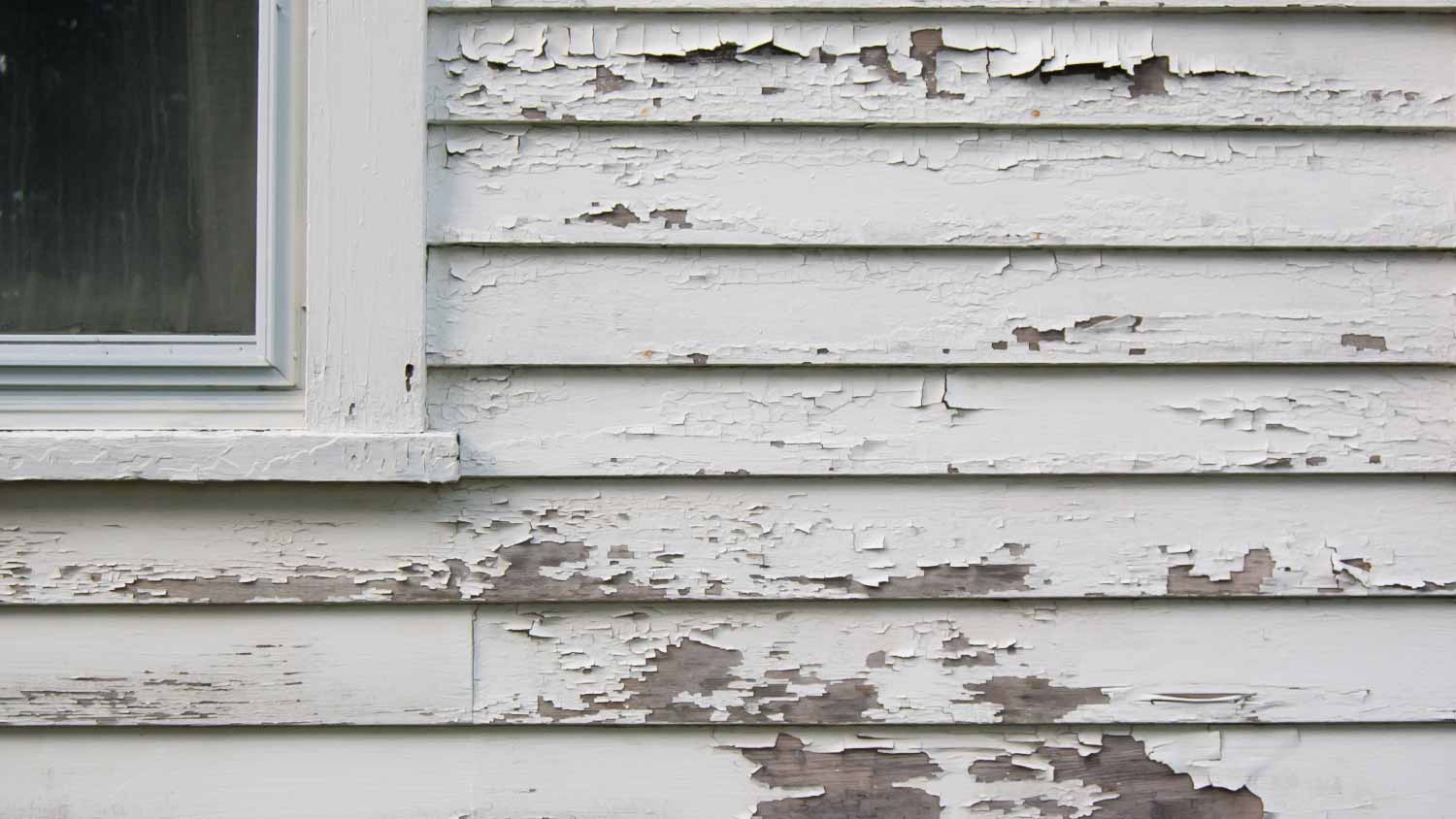
Can you paint over lead paint? You can use a process called encapsulation, which may require the help of a local professional paint service to do it safely.