




Top-rated generator install pros.

Best generator install pros near La Grange, IL

Enter your zip and get matched with up to 5 pros

Need a pro for your generator install project in La Grange, IL?

Select your specific project to find the pro for you.

TRUSTED BY LA GRANGE, IL HOMEOWNERS

  • Average homeowner rating star icon4.8
    Average homeowner rating
  • Verified reviews icon25
    Verified generator installs reviews

Top-Rated Generator install pros in La Grange - Updated Nov 2026

Avatar for MPower Generators, Inc.
MPower Generators, Inc.
4.8(
25
)
Fixed Generator - InstallFixed Generator - RepairGenerator - Repair - For Business

Serving La Grange, IL and surrounding areas

Approved

In business since 1999

Free estimates

Emergency services offered

"I'm very satisfied with his work. I had used him for 16 years and I had him install two different generators. I never had any problems at all and he is very responsive; that is why I have recommended him before."
Powered by MPower Generators
Power outages are a thing of the past.
Gravel base
Gravel base needs to be compacted
Prefabricated cement pad

+8

Response time1 day
2 neighbors recently requested a quote
Recommended by95%of homeowners
Avatar for Electric Work Force
Electric Work Force
4.9(
25
)
Fixed Generator - Install

Serving La Grange, IL and surrounding areas

Approved

In business since 2016

Free estimates

Emergency services offered

"Gayvin was the ultimate professional. He arrived on time, and made recommended suggestions for our older electrical work. Electric Work are not the cheapest, but you shouldn't short cut on an electrical Job."
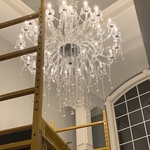
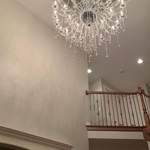
Installed a beautiful chandelier
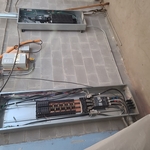
Additional Photos
Additional Photos
Additional Photos

+11

26 neighbors recently requested a quote
Recommended by69%of homeowners

Avatar for Onix Electric Services LLC
Onix Electric Services LLC
5.0(
13
)
Fixed Generator - RepairPortable Generator - InstallPortable Generator - Repair

Serving La Grange, IL and surrounding areas

Approved

In business since 2018

Free estimates

Credit card accepted

"Fabian (the electrician) was an absolute professional. I let him know what I needed and he provided me with several options on how to get the task completed within code. He provided me with a specific timetable, which was great for me because it allowed me to work around my work schedule. Once the job was finished, it was as if he was never there. Everything was cleaned up and put back the way it was when he initially arrived. Highly, highly recommended!!!"
Response time12 hrs
Response rate95%
7 neighbors recently requested a quote
Avatar for EV Electric
EV Electric
4.8(
22
)
Portable Generator - Install

Serving La Grange, IL and surrounding areas

Approved

In business since 2018

Free estimates

Credit card accepted

"This was an install of a garbage disposal in an existing home. Since the dishwasher and sink plumbing was already in place, the installer had to determine the best routing for the install. He came up with a good route very a successful install."
Response time5 hrs
Response rate88%
Recommended by90%of homeowners
...
Showing 1-10 of 150
Generator Install FAQs, answered by experts

To determine the right size generator for your house, you should calculate the total wattage of the appliances and devices you want to power during an outage. List all essential items, note their start-up wattages, and add them together.

Here are some typical wattage requirements for common appliances:

  • Refrigerator: 600 watts

  • Large dehumidifier: 700 watts

  • Large window air conditioner: 1,400 watts

  • Water heater: 3,000 to 4,500 watts

  • Electric furnace: 5,000 to 25,000 watts

A 7,500-watt generator might be sufficient for essentials like a refrigerator, freezer, well pump, and lighting circuits. However, for high-demand items like a water heater or furnace, a whole-home generator is a better choice. A portable generator may be enough if you only need to power a few critical items.

While home square footage can offer a rough estimate, it is not always a reliable indicator. For reference, here are some typical generator sizes based on square footage:

  • 1,000 sq ft: 6–9 kW

  • 1,500 sq ft: 7–10 kW

  • 2,000 sq ft: 10–14 kW

  • 2,500 sq ft: 12–16 kW

  • 3,000 sq ft: 16–20 kW+

For the most accurate sizing, consult a professional who can calculate your home's peak and average power consumption and recommend the optimal generator.

In most cases, there are no tax credits available for home generators. However, that’s a general statement that applies to federal tax credits, so you might have access to state or local tax incentives. You can check the Database of State Incentives for Renewables & Efficiency (DSIRE) for more information about your area. If you hire a reliable home generator installer, they should also know if there are any state or local perks you can use to reduce your installation costs, including tax breaks and rebates.

Here’s what you can run with different wattages and types of generators:

Portable generator:

  • 2,000 watts can handle a large appliance like a freezer or refrigerator, plus a few smaller items like phones or computer chargers. 

  • 4,000 watts will keep two large appliances operating and a few smaller devices.

  • 8,000 watts should power most essential appliances and other devices, including a sump pump, well pump, or your dishwasher.

Partial to whole-house generator:

  • 20,000 watts and above will make it seem like your home’s power is still on.

A portable generator can supply power to selected appliances and circuits in a home, but it's generally not designed to handle the entire household's electrical needs simultaneously. Portable generators have limited wattage capacity, so they are only designed to power essential devices and electronics temporarily until local power is restored. If your power needs outweigh the capabilities of a portable generator, consider installing a whole-home generator instead.

Setting up utilities on a vacant property usually takes at least a few months, or between 6 weeks to 16 weeks. This process requires working with the local planning and zoning department, hiring a building contractor or engineer to design the utility layout, securing permits, laying the lines, and connecting the utilities.

The La Grange, IL homeowners’ guide to generator installs

From average costs to expert advice, get all the answers you need to get your job done.