



Top-rated excavation pros.

Best excavation pros near La Grange, IL

Enter your zip and get matched with up to 5 pros

Need a pro for your excavation project in La Grange, IL?

Select your specific project to find the pro for you.

TRUSTED BY LA GRANGE, IL HOMEOWNERS

  • Average homeowner rating star icon4.7
    Average homeowner rating
  • Verified reviews icon38
    Verified excavation services reviews

Top-Rated Excavation pros in La Grange - Updated Nov 2026

Gooseland Tree and Excavating
3.5(
2
)
Building Site - Preparation and ClearingBuilding Site - Preparation and Clearing - For BusinessExcavation - Major Grading or Resloping+1 more

Serving La Grange, IL and surrounding areas

Approved

In business since 1998

Free estimates

We pride our company on reliability, great communication, integrity, and quality work. We are experts in our trade and will do our best to keep you as educated as we can on your particular task or project. We look forward to earning your business! \nWe have been in business since 1998. We specialize in Excavation work residential and commercial as well as Lawn Maintenance & Tree Removal.

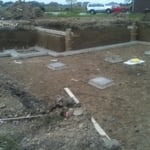
Untitled Gallery 1
Untitled Gallery 1
 Basement
Avatar for Last step junk removal
Last step junk removal
5.0(
1
)
Landscape - Minor Grading or Resloping

Serving La Grange, IL and surrounding areas

Approved

Emergency services offered

Small jobs welcome

Credit card accepted

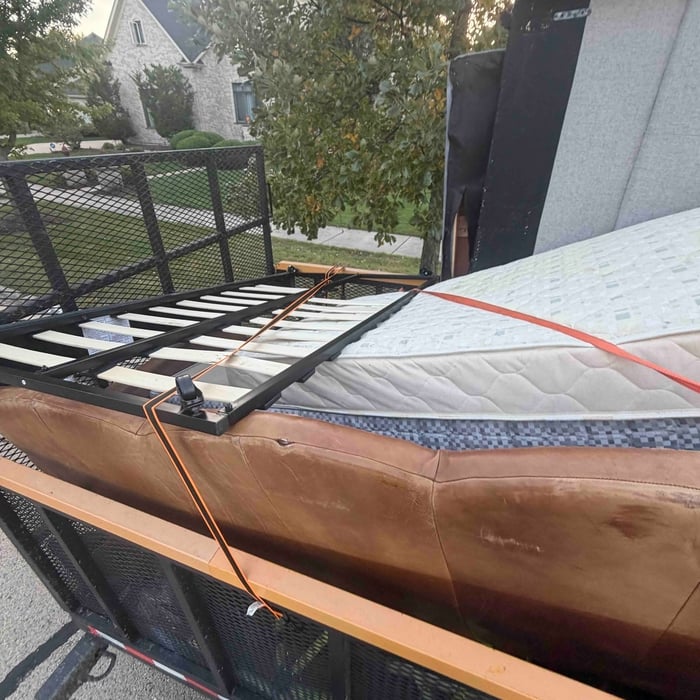
Hello my name Is isaak, I own last step junk removal we operate in Elgin il, and we specialize in junk removal in residential and commercial buildings, like, furniture BAG OF JUNK, TVS, etc \nFree estimates via message or email\nWe would love the opportunity to work with you,

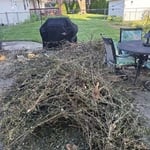
Tree debris/ leaves
Tree debris/ leaves
Tree debris/ leaves
House clean outs
House clean outs

+4

8 neighbors recently requested a quote
...
Showing 1-10 of 217
Excavating FAQs, answered by experts

No, you typically cannot use metal detectors to find your sewer line. Most sewer lines are made of non-metallic materials such as PVC, clay, or cast iron, which are not detectable by standard metal detectors. Metal detectors are designed to locate metallic objects, so they won't be effective for identifying the path of a non-metallic sewer line. To locate your sewer line accurately, it's best to use other methods.

There are many ways to cut through roots when digging, especially if your trencher doesn’t seem to be removing the roots. First, use a shovel to expose the roots. Then, use gardening shears to clear out smaller roots or a reciprocating saw to remove larger plant roots. If you plan on keeping the plant, avoid cutting any roots over 2 inches thick.

The rules for trenching and excavation include setting up and following safety protocols, learning how to use tools and machines properly, and ensuring there is a safe exit for all workers. Keep heavy equipment and materials away from the edge of the hole or trench. Call the 811 dig line before starting any excavation or trenching project to ensure you don’t hit any electrical or gas lines.

A trench that is less than 5 feet deep often doesn't require a protective system. Most residential trenches will not go this deep (the typical residential drainage trench is just 18 inches deep). In the event that an excavator needs to dig more than 5 feet beneath the surface, a protective system is required unless the excavation is in entirely stable rock.

Trenches are typically 12 to 24 inches deep and 8 inches wide. However, the required depth depends on the specific project and local ordinances. For example, a French drain may need to be 18 inches deep, while a water pipe might require a depth of 24 inches and a drainage pipe 36 inches. Your city or county may have specific regulations, so it's wise to consult with an excavation professional to determine the correct depth for your project.

The La Grange, IL homeowners’ guide to excavation services

From average costs to expert advice, get all the answers you need to get your job done.