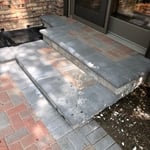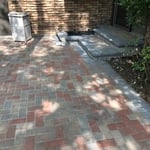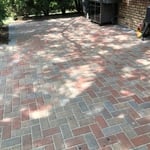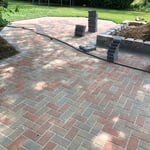








Top-rated excavation pros.

Get matched with top excavation pros in Justice, IL

Enter your zip and get matched with up to 5 pros

Need a pro for your excavation project in Justice, IL?

Select your specific project to find the pro for you.

TRUSTED BY JUSTICE, IL HOMEOWNERS

  • Average homeowner rating star icon4.5
    Average homeowner rating
  • Verified reviews icon22
    Verified excavation services reviews

Find Excavation pros in Justice

Avatar for Summit Demolition
Summit Demolition
5.0(
3
)

Serving Justice, IL and surrounding areas

Approved

In business since 2022

Free estimates

Credit card accepted

"Blend and his team finished a big demo & haul away job in half a day. We had a 30+ year old deck and gazebo with wood rot in our backyard that desperately needed to go. He and his guys dismantled everything down to the soil and left without a trace of debris. Plus they carefully preserved our electrical connection. I highly recommend the Ferreti team for demo and junk removal, they were friendly and communicative throughout the job as well. 5 stars!"
17 neighbors recently requested a quote
Recommended by33%of homeowners
Gooseland Tree and Excavating
3.5(
2
)

Serving Justice, IL and surrounding areas

Approved

In business since 1998

Free estimates

We pride our company on reliability, great communication, integrity, and quality work. We are experts in our trade and will do our best to keep you as educated as we can on your particular task or project. We look forward to earning your business!\nWe have been in business since 1998. We specialize in Excavation work residential and commercial as well as Lawn Maintenance & Tree Removal.

Untitled Gallery 1
Untitled Gallery 1
 Basement
...
Showing 1-10 of 162
Excavating questions, answered by experts

Most residential basements are 8 to 10 feet deep. You can dig deeper depending on building codes, but it does become more difficult. You’ll likely need to install stronger foundation walls and additional supports to handle the increased load. Depending on the water table, you may also need a water management system. Clay soil can support a deeper foundation than sandy soil. A structural engineer will be able to tell you the maximum, feasible depth.

The best method for digging a trench depends on the scope of the project. For a short, shallow trench (less than 2 feet deep) in light, soft soil, digging by hand may be sufficient. However, digging by hand is labor-intensive, so consider the effort required. A machine trencher is the better option for longer trenches (over 100 feet), deeper ones, or when dealing with difficult soil conditions, such as rocky or hard ground, or obstructions like tree roots. A machine can save significant time and energy in these situations.

You do not have to dig footers for a deck as long as it meets local code and holds up to weather in your area. If you live somewhere that experiences high winds and earthquakes, you may need to dig for your deck posts. Deck blocks, post anchors with base plates, and helical pile systems are the three no-dig deck post options you can choose from if local code permits.

There are several methods to hollow out a tree stump, and the best one depends on your tools, experience, and priorities. Common methods include using a chisel and hammer, a chainsaw, or burning.

  • Chisel and Hammer: This is often considered the easiest approach for those with limited tools or experience, though it is the most time-consuming.

  • Chainsaw: Using a chainsaw is the fastest method, but it comes with significant safety risks, especially for inexperienced users.

  • Burning: This can be an effective method, but it is not recommended unless you can first drill holes into the stump. Without holes, the stump will be difficult to light and may not burn completely through.

A power drill with at least a ⅜-inch diameter bit can make the job quicker and easier, regardless of the primary method. While you can use a chisel or chainsaw without a drill, it will require more time and effort. Always wear protective goggles and thick gloves, as splinters are an inevitable risk.

You should dig 3 to 6 inches deep for plastic edging. Dig as wide as you need to fit your plastic edging into it—2 inches is usually sufficient.

The Justice, IL homeowners’ guide to excavation services

From average costs to expert advice, get all the answers you need to get your job done.