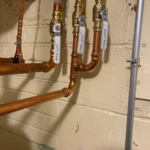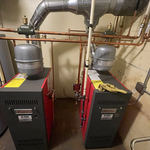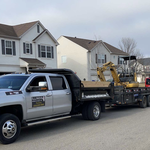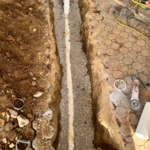






Top-rated excavation pros.

Get matched with top excavation pros in Chicago, IL

Enter your zip and get matched with up to 5 pros

Need a pro for your excavation project in Chicago, IL?

Select your specific project to find the pro for you.

TRUSTED BY CHICAGO, IL HOMEOWNERS

  • Average homeowner rating star icon4.6
    Average homeowner rating
  • Verified reviews icon14
    Verified excavation services reviews

Find Excavation pros in Chicago

Gooseland Tree and Excavating
3.5(
2
)

Serving Chicago, IL and surrounding areas

Approved

In business since 1998

Free estimates

We pride our company on reliability, great communication, integrity, and quality work. We are experts in our trade and will do our best to keep you as educated as we can on your particular task or project. We look forward to earning your business!\nWe have been in business since 1998. We specialize in Excavation work residential and commercial as well as Lawn Maintenance & Tree Removal.

Untitled Gallery 1
Untitled Gallery 1
 Basement
...
Showing 1-10 of 249
Excavating questions, answered by experts

No, you typically cannot use metal detectors to find your sewer line. Most sewer lines are made of non-metallic materials such as PVC, clay, or cast iron, which are not detectable by standard metal detectors. Metal detectors are designed to locate metallic objects, so they won't be effective for identifying the path of a non-metallic sewer line. To locate your sewer line accurately, it's best to use other methods.

Call 811 to locate and mark the gas lines at least three days before digging. In many areas, you can dig within 18 inches of the lines, though in some locations, the distance may be further. Check local regulations, as you may need a utility company representative onsite when digging. Document your calls to 811 and precautions taken to avoid gas lines. A homeowner can be held liable for hitting a gas line in some cases, but contacting the proper authorities and following all guidelines can offer protection.

It takes one hour to dig a 10-foot trench by hand. Use a trenching shovel with a sharp tip and a long head. Plan for more time if your soil is heavy or rocky. Consider renting a trencher if you’re digging a long or deep trench or if you have challenging soil or terrain. 

Excavation and grading are both generally necessary for designing your foundation, and leveling the ground where your foundation will go. These steps can also prepare the area by removing vegetation and anything else that could interfere with your home’s foundation.

Maintain open communication and address issues as they arise, ensuring contract terms cover potential delays.

The Chicago, IL homeowners’ guide to excavation services

From average costs to expert advice, get all the answers you need to get your job done.