



Top-rated excavation pros.

Best excavation pros near Maywood, IL

Enter your zip and get matched with up to 5 pros

Need a pro for your excavation project in Maywood, IL?

Select your specific project to find the pro for you.

TRUSTED BY MAYWOOD, IL HOMEOWNERS

  • Average homeowner rating star icon4.4
    Average homeowner rating
  • Verified reviews icon23
    Verified excavation services reviews

Top-Rated Excavation pros in Maywood - Updated Nov 2026

Gooseland Tree and Excavating
3.5(
2
)
Building Site - Preparation and ClearingBuilding Site - Preparation and Clearing - For BusinessExcavation - Major Grading or Resloping+1 more

Serving Maywood, IL and surrounding areas

Approved

In business since 1998

Free estimates

We pride our company on reliability, great communication, integrity, and quality work. We are experts in our trade and will do our best to keep you as educated as we can on your particular task or project. We look forward to earning your business! \nWe have been in business since 1998. We specialize in Excavation work residential and commercial as well as Lawn Maintenance & Tree Removal.

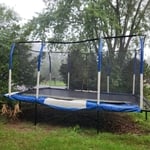
Untitled Gallery 1
Untitled Gallery 1
 Basement
Avatar for Last step junk removal
Last step junk removal
5.0(
1
)
Landscape - Minor Grading or Resloping

Serving Maywood, IL and surrounding areas

Approved

Emergency services offered

Small jobs welcome

Credit card accepted

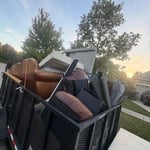
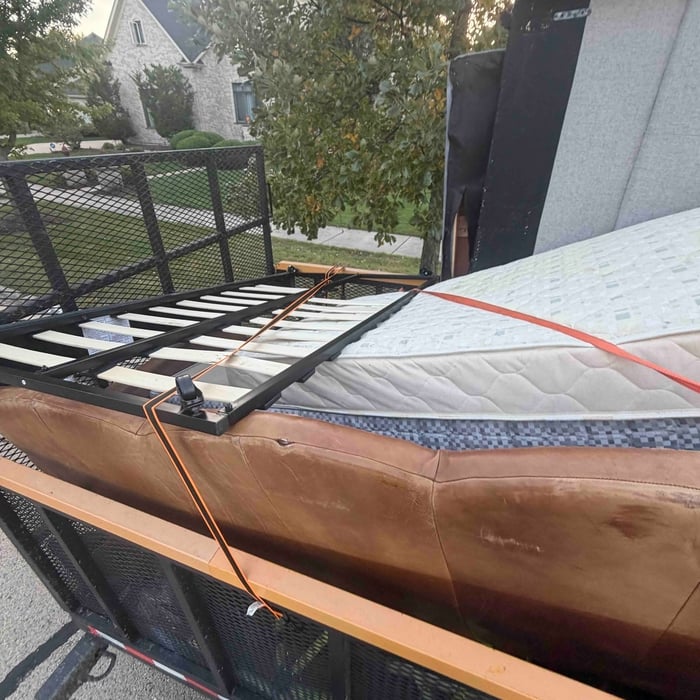
Hello my name Is isaak, I own last step junk removal we operate in Elgin il, and we specialize in junk removal in residential and commercial buildings, like, furniture BAG OF JUNK, TVS, etc \nFree estimates via message or email\nWe would love the opportunity to work with you,

Tree debris/ leaves
Tree debris/ leaves
Tree debris/ leaves
House clean outs
House clean outs

+4

8 neighbors recently requested a quote
Avatar for ASI Salvage and Demolition
ASI Salvage and Demolition
New to Angi
Landscape - Minor Grading or Resloping

Serving Maywood, IL and surrounding areas

Approved

Free estimates

Emergency services offered

Small jobs welcome

At ASI Salvage & Demolition, no job is too big or too small. We specialize in demolition, commercial cleanouts, junk removal, scrap metal recycling, hauling, and industrial dismantling. Our experienced crew is known for dependable service, competitive pricing, and completing projects safely and on time. We treat every project as if it were our own and are committed to exceeding our customers’ expectations from start to finish.

1 neighbors recently requested a quote
...
Showing 1-10 of 181
Excavating FAQs, answered by experts

In the United States, a depth of 36 inches (three feet) for underground water lines is the accepted industry standard. This depth varies from location to location based on local conditions. In areas with colder winters, they may be buried deeper to prevent frozen well water pipes : This is usually at least six inches below the frost level. The International Plumbing Code calls for a minimum of 12 inches below grade.

A trench that is less than 5 feet deep often doesn't require a protective system. Most residential trenches will not go this deep (the typical residential drainage trench is just 18 inches deep). In the event that an excavator needs to dig more than 5 feet beneath the surface, a protective system is required unless the excavation is in entirely stable rock.

To drill a shallow well, you may be able to use a drive well point. This is a tapered point that is driven into the ground. A drill bit at the end of PVC pipe may be another option to consider. A lot of the cost depends on what tools are available near you.

Depth is not a qualifying component of evacuation. Any human-made cut, cavity, or depression in the earth’s surface is considered excavation. The hole from excavation can be any size, shape, or depth. Excavation is used to create foundations, reservoirs, drainage ditches, and roads. Long, narrow excavations are called trenches and are often used for underground utilities.

You can bury underground electrical wire six inches deep—but only if you use a rigid metal electrical conduit. For rigid, non-metallic conduits, bury the wire at least 12 inches deep. If using an underground feeder cable rated for direct burial, you'll need to place it at least 18 inches deep, as it has no conduit for extra protection.

The Maywood, IL homeowners’ guide to excavation services

From average costs to expert advice, get all the answers you need to get your job done.