


Top-rated lawn irrigation specialists.

Best lawn irrigation specialists near Ucon, ID

Enter your zip and get matched with up to 5 pros

TRUSTED BY UCON, ID HOMEOWNERS

  • Average homeowner rating star icon4
    Average homeowner rating
  • Verified reviews icon32
    Verified lawn irrigation services reviews

Top-Rated Lawn irrigation specialists in Ucon - Updated Nov 2026

Avatar for Concors Earthworks
Concors Earthworks
5.0(
6
)
Lawn and Garden Sprinkler System - Repair

Serving Ucon, ID and surrounding areas

Approved

In business since 2023

Free estimates

Offers commercial services

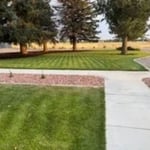
"Wilson from Concors Earthworks did an outstanding job installing about 1,000 square feet of sod in my front yard. He was professional, efficient, and clearly knows what he’s doing. The sod was laid cleanly and evenly, and the yard looks fantastic. Communication was clear throughout the process, and he left everything tidy when he finished. Highly recommend Wilson and Concors Earthworks for any sod or earthwork needs!"
Nice lawn
1 neighbors recently requested a quote
Showing 1-10 of 36
Lawn Irrigation FAQs, answered by experts

You can thicken new grass by using fertilizer, watering it 1 to 1½ inches per week, mowing when it is at an optimal height, and preventing weeds. You should fertilize your grass while you plant the grass seed, or soon afterward. Use an herbicide to prevent weeds or spot spray with herbicide to kill existing weeds.

Yes, you can typically combine liquid aeration with other lawn treatments. However, follow the specific product's instructions and consider the compatibility of treatments. In most cases, liquid aeration can complement fertilization, overseeding, or weed control programs. Combining treatments strategically can address multiple aspects of your lawn's health and appearance simultaneously. Always read and adhere to the guidelines provided by the product manufacturers to ensure safe and effective application.

Fine fescue grass can germinate within 12 to 22 days. Of course, factors such as soil and climate can determine how long it will take for your no-mow grass to sprout. New grass seed needs adequate sunshine, oxygen, moisture, and healthy soil for successful germination. The best time to plant fescue grass is early spring or early fall.

Properly secured bird netting is the best option to cover your grass seed with. It creates a minor moisture barrier that can help seeds sprout, and it’s a great way to keep birds away from your seeds. A cheaper, lower-maintenance option is hay or mulch, but these can change the look of your lawn and require cleanup in the case of straw.

In general, cool-season grasses such as fescue grass, ryegrass, and Kentucky bluegrass are best for creating a striped lawn. Warm-season grasses like bermuda and zoysia grass don't curl as much, so grass stripes aren't as easy to see. If you live in a climate that’s better suited for warm-season grass, zoysia grass will typically be your best option.

The Ucon, ID homeowners’ guide to lawn irrigation services

From average costs to expert advice, get all the answers you need to get your job done.